
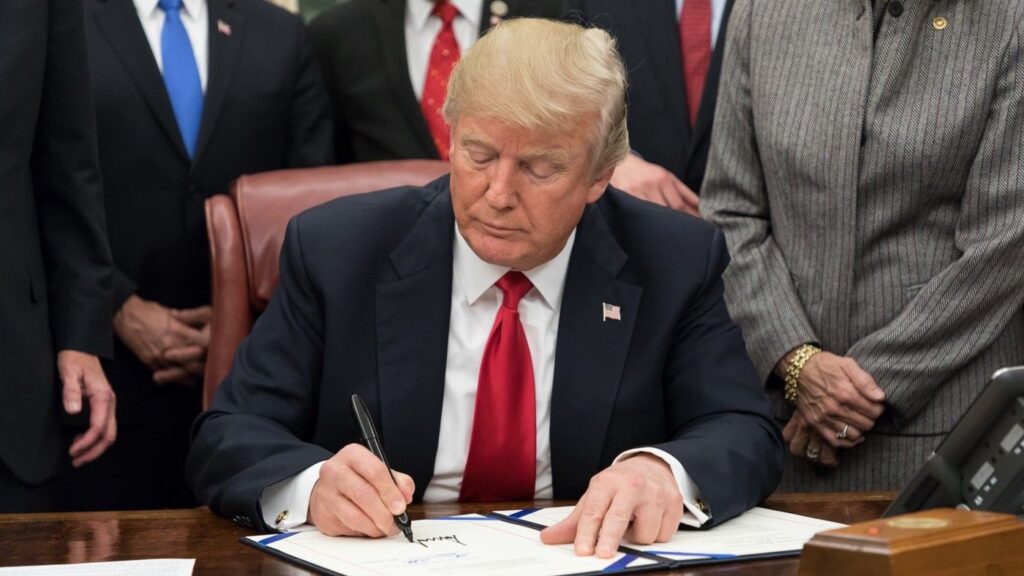
- The White House has introduced a promise of taxpayer protection
- The pledge seeks to avoid the costs of energy from data centers being passed on to American consumers
- Many of the biggest technology and artificial intelligence companies have already signed on
The White House has put forward a voluntary commitment for private companies to bear the costs of rising electricity prices due to the increased demand for data centers to power AI.
The Ratepayer Protection Pledge will encourage private companies to “build, bring or buy” new energy sources to offset data center demand.
The pledge has already been signed by several of the largest hyperscalers and AI companies, including Amazon, Google, Meta, Microsoft, OpenAI, Oracle and xAI.
The promise of taxpayer protection
The pledge outlines that private companies will be able to build their own energy sources in the United States to cover their electricity consumption to avoid passing on the costs of energy and infrastructure demand to consumers. This means that private companies must also cover the costs of the necessary infrastructure upgrades to meet their demand.
At the Ratepayer Protection Pledge signing event, President Donald Trump said, “This means the technology companies and data centers will be able to get the electricity they need, all without increasing the cost of electricity to consumers. This is a historic victory for countless American families, and we will also make our power grid stronger and more resilient than ever before.”
President Trump also commented on the future of energy prices for Americans, stating, “They’re not going to go up. They’re actually going to go down. In short, America’s biggest and richest tech companies are going to finance a colossal expansion of American energy.”
How have prices risen so far?
According to the US Energy Information Administration, US retail energy prices have risen faster than the rate of inflation since 2022, with the average US family’s electricity bill rising 7% year-over-year since September.
In areas with significantly higher data center projects, however, prices have skyrocketed by as much as 267% over the past five years. Whether these areas will see their prices “actually drop” remains to be seen.
What energy sources will be built?
The Trump administration has been skeptical of the human effect on climate change, with Trump reversing the ruling that greenhouse gases are harmful to human health in February this year. The administration has also cut subsidies for renewable energy and introduced an accelerated approval process for new fossil energy projects.
Environmental restrictions on coal, oil and gas have also been lifted, with Trump’s National Energy Dominance Council (NEDC) securing $15 billion in funding for new energy projects in the Mid-Atlantic and Midwest to potentially reopen coal and natural gas plants closed during the Biden administration.
Private companies will likely take this as a clear indication of what types of energy Trump wants private companies to build, despite the fact that renewables remain the cheapest option even with the cut in government subsidies. If companies were to turn to renewable energy sources, it would likely hurt Trump’s stance on “unreliable, foreign-controlled” energy sources.
In addition to fossil fuels or renewable energy sources, there is still another option: nuclear. In the long term, nuclear power is the option many American technology companies are betting on. In late 2024, Microsoft signed a deal with the Three Mile Island nuclear power plant to supply energy for Redmond’s AI demand, and the facility is likely to reopen as soon as 2027.
Meta has also shown its ambitions to run data centers with nuclear energy. The company signed a 20-year agreement with the Clinton Clean Energy Center to provide 1,121 megawatts of “emission-free nuclear power.” Other nuclear options include the use of small modular reactors (SMR), with Amazon committing to build twelve SMRs to provide 1GW of output within the next decade, with plans to provide a total of 5GW to the US grid by 2039.
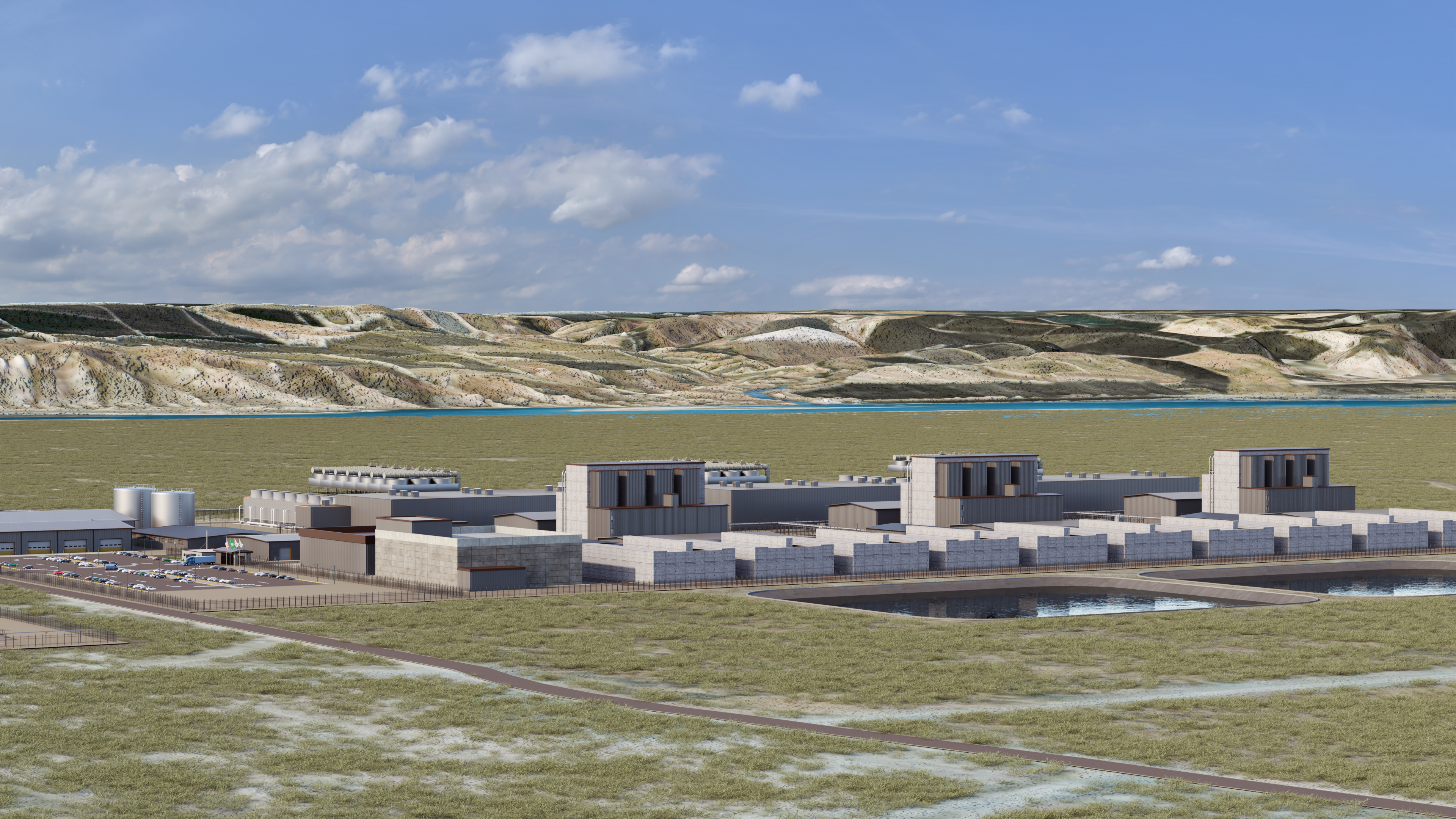
The question remains whether supply chains will be able to keep up with demand from private companies seeking to build new energy projects as part of the pledge. High-voltage transformers, turbines and other complex electrical equipment are currently cheaper to import than to build in the United States. Trump’s desire for the ‘America first’ industry could be put at odds with companies looking to upgrade the energy infrastructure in the US.
How will companies be held accountable?
Currently, the pledge is voluntary and has no legal binding.
The pledge does not set out any mechanisms for accountability, timetables or provisions for how much additional energy private companies must supply along with the demand for their data centers.
We’ll have to wait and see if this even materializes, or if the promise is just a stunt to improve short-term public opinion by leveraging existing individual commitments from tech companies to prevent energy price increases.
There is also the issue of additional costs incurred by the states themselves. To attract investment from technology companies, many states have offered incentives in return for data center construction, such as tax breaks on purchased equipment and construction, as well as business credits for local employment.
But the newly incurred costs of having to build and supply their own energy could prompt companies to demand additional incentives and rate cuts — effectively forcing states to trade tax revenue for an energy grid capable of meeting demand — especially as demand for data centers outstrips current supply.

The best cloud storage for all budgets


