
Stablecoins have had their ups and downs, but it’s clear that they are one of crypto’s biggest success stories so far. While Bitcoin may grab more of the headlines thanks to its constant ups and downs, stablecoins have emerged as the main workhorse of the decentralized financial ecosystem that helps move more than $275 trillion in value across the globe.
However, there are signs that the US dollar’s status as the world’s reserve currency is being eroded, and this could lead to some major consequences for the stablecoin economy, as its top tokens are tied to its value.
This year, the dollar has experienced a significant decline, losing around 11% in value – the biggest drop in over 50 years. This instability is fueled by uncertainty about US economic policies and its rapidly increasing, eye-popping debt, which now stands at a whopping $38 trillion. The US keeps printing dollars, but meanwhile the world’s economic value is being shifted elsewhere.
BRIC countries, for example, have eschewed the dollar in favor of a blockchain-based payment system that allows them to transact in their own, digitized currencies. Both China and Japan have recently announced plans to use their own currencies rather than the dollar. China in particular has pushed hard for the yuan to become a more prominent international currency, and it is now the fourth most used in global payments. More than 30% of China’s global trade is settled in yuan, and a digital stablecoin based on its domestic currency has been successfully trialled in Kazakhstan.
The rise in the value of gold and Bitcoin is another symptom of the declining prestige of the dollar. Confidence in the US currency is eroding sharply, which begs the question – what will happen to the stablecoins that use it as a bond? Currently, the stablecoin market is dominated by Tether’s USDT, which is ranked as the third most valuable cryptocurrency overall with a market cap of $183.3 billion, more than twice as valuable as Circle’s USDC at $75.9 billion. Together, USDT and USDC account for 93.8% of the total stablecoin market capitalization.
Their reliance on a US dollar that is rapidly losing its influence could ultimately undermine the stablecoin market’s biggest players, and there are also concerns about the sanity of trusting two private companies with the custody of so much stablecoin value. Tether has long been criticized for a lack of transparency in its reserves. While the company claims that every USDT in circulation is backed 1:1 by US dollars, it has yet to allow any reputable accounting firms to conduct a full audit of these holdings, although it is reportedly in discussions with one of the Big Four auditors about such a possibility.
As for Circle, the question is whether it is big enough to step up and replace Tether. It lacks the deep pockets of its biggest rival, nor does it seem to have the same level of appeal within the wider crypto community. Add to that the fact that both companies are so heavily invested in the US dollar, and it’s clear that the stablecoin market needs something stronger.
Time for gold-backed bullion coins to shine
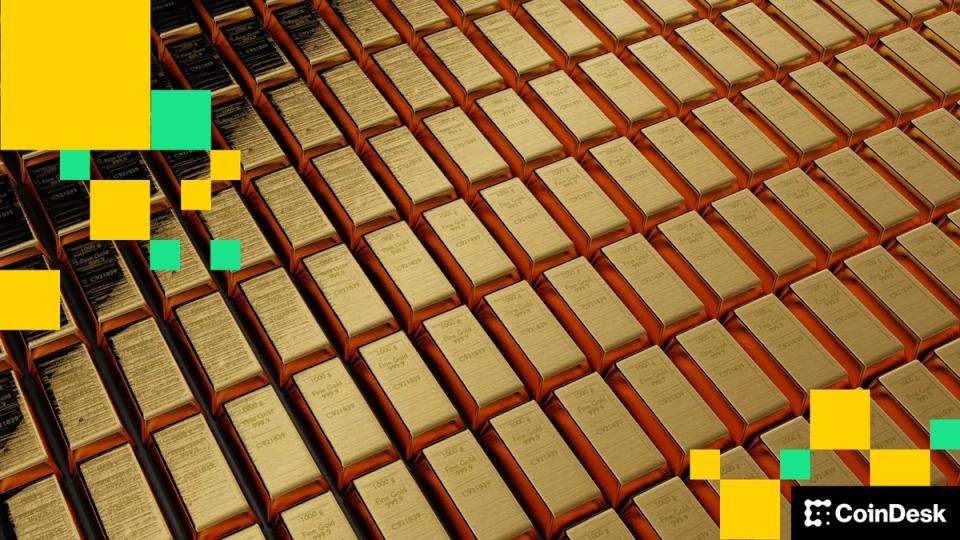
One possible solution is a new kind of stablecoin whose value is tied to a real-world physical store of gold using the old Bretton Woods principles. The world’s largest nations could easily create such a stablecoin. The total value of physical gold reserves held by central banks is believed to exceed $7.5 trillion, and the United States controls only a fraction of it. For example, Australia and Russia have accumulated gold reserves estimated at around $1.68 trillion, while South Africa, Indonesia, Canada and China all sit on reserves larger than those held by the United States.
A stable currency backed by trillions of dollars in gold reserves could easily threaten the hegemony of the US dollar and offer greater stability during periods of economic uncertainty. Gold has always been the safe haven of choice for investors, as gold has been recognized as a robust store of value. A gold-backed stablecoin could inspire greater trust among populations, allowing African farmers or businesses in Latin America to pay and receive money backed by real value, rather than being limited to trading unstable local currencies subject to the whims of unreliable governments. This would give investors more confidence to invest in these underdeveloped economies, confident that their value will not evaporate in the face of hyperinflation.
The potential value of a gold-backed stablecoin has been recognized by many, not least Tether, but no company alone possesses enough muscle to create the world’s next reserve currency. Only governments or the world’s richest hedge funds and private banks could pull this off. And it can happen faster than people think.
In October, Abu Dhabi-based conglomerate Promax United announced a joint venture between one of its subsidiaries and Burkina Faso SEM, Burkina Faso’s national sales and investment center, to create just such a stable coin, backed by the African nation’s vast mineral wealth. In a press release, Promax United Group President Louai Mohamed Ali said Burkina Faso’s government plans to support a national stablecoin with up to $8 trillion in gold and mineral wealth, consisting of both physical holdings and vast amounts of proven reserves in the ground. When launched, it will become Africa’s first resource-backed stablecoin, bringing the majority of the nation’s wealth on-chain as part of an ambitious plan to catalyze economic growth.
Promax and the government of Burkina Faso have both the resources and the connections to make this gold-backed stablecoin a reality, and they are also eager to get more nations involved. They say they are holding “advanced discussions” with a number of other African states. The partners said their goal is to reduce Africa’s dependence on the US dollar and unlock trade, infrastructure financing and macroeconomic stability through transparent, asset-backed digital currencies. They have timed their move to perfection. With all the recent talk of the so-called “debasement trade” increasing pressure on the US dollar, there really is no time like the present.
The crypto community has dreamed of the death of the US dollar and its replacement by an alternative, blockchain-based financial system for years, but this has always been motivated by idealistic reasons. But as the US dollar moves closer to the brink, the shift to a stablecoin-based monetary system backed by real gold is, more than ever, becoming a matter of necessity.


