
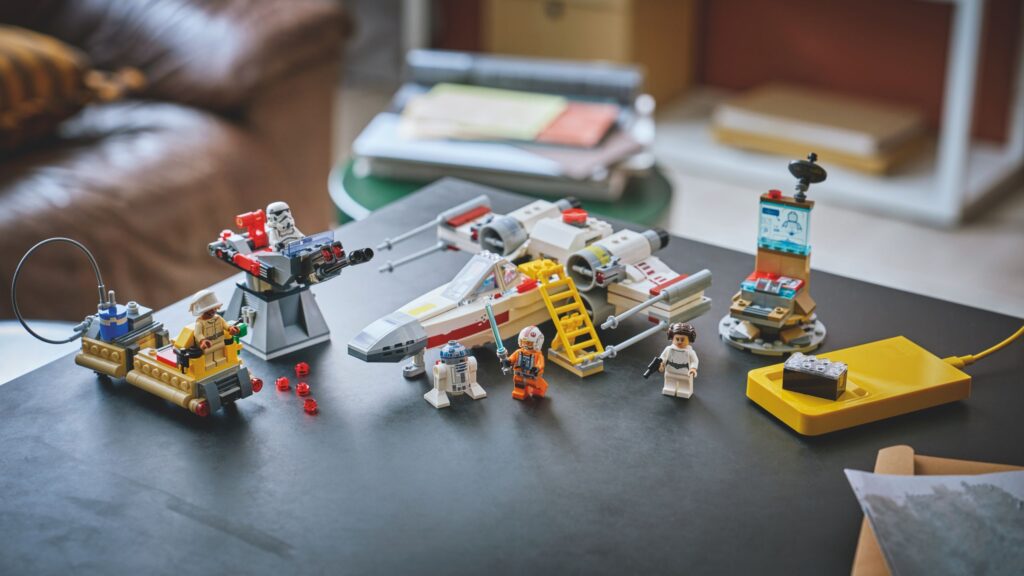
Lego’s iconic brick gets its biggest upgrade since the modern design was unveiled in 1958: meet the Lego Smart Brick.
Crucially, this massive change, which Lego announced at CES 2026 in Las Vegas, doesn’t change the look or feel of the brick at all, or detract from the building experience, whether you like to follow the instructions or let your imagination run wild – it’s an under-the-hood update that puts a chip inside a standard brick, and that’s the key to the new Lego Smart Play system.
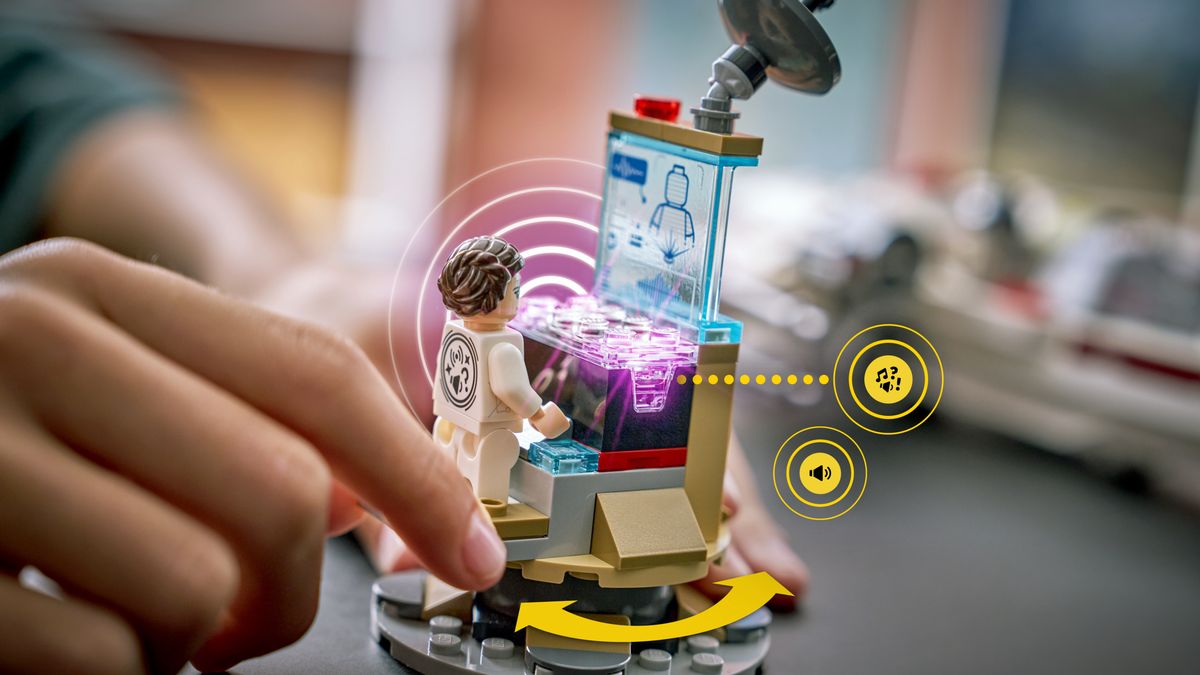
That means you’ll hear an X-Wing or TIE Fighter roar to life, iconic blasters and lightsabers fire, and other familiar sounds are triggered as you move cool minifigures like Princess Leia, Luke Skywalker and Darth Vader around a spaceship or building.
We’ll take a closer look at the three kits, which launch on March 1st, with pre-orders opening on January 9th, below – but first, let’s talk tech.
Classic brick look with tech inside
Lego powers Smart Play with a chip smaller than a single Lego stud, packed together with sensors and a speaker inside the Smart brick.
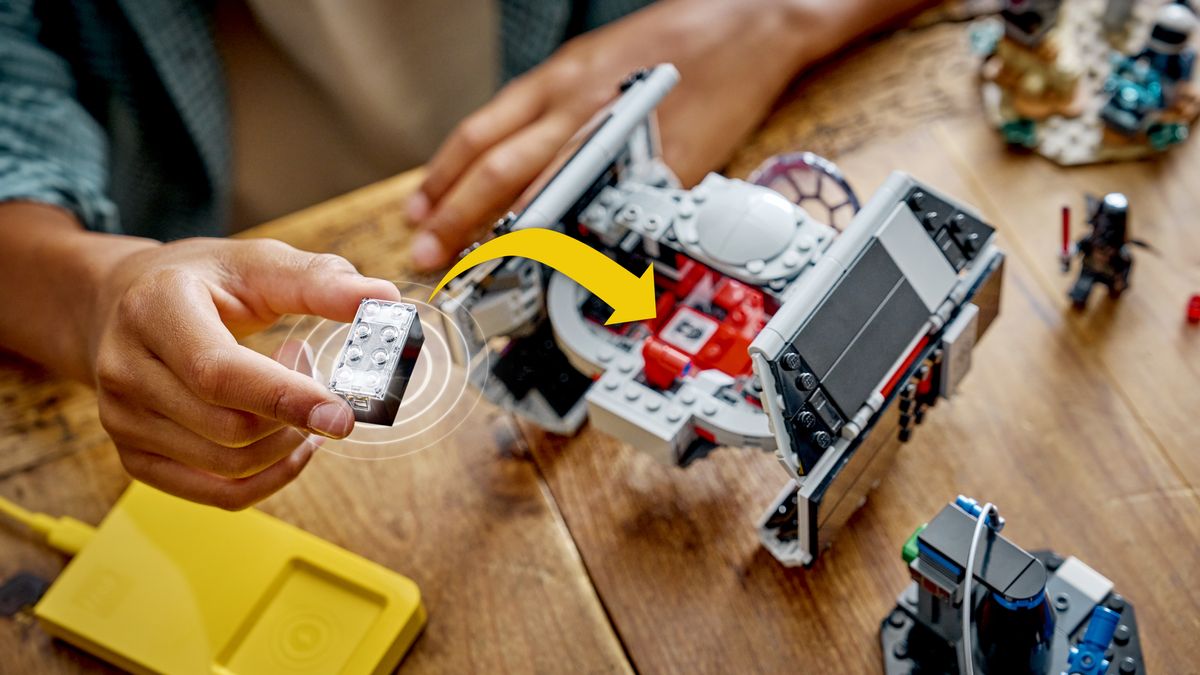
The Lego Smart Play System essentially consists of three hardware components that work within the brick system we’ve known for years. The central piece is the Lego Smart Brick, which looks like a standard long brick and is identical in size to a 2 x 4 – where it differs is under the hood.
Inside is a custom mixed signal 4.1mm ASIC chip which acts as the brain of the system. It allows the Smart Brick to sense when a Smart Minifigure or Smart Tag is approaching and map its position in space. It runs a proprietary Play Engine that enables this spatial awareness using several pieces of hardware, including a precision copper coil for tag recognition and near-field magnetic positioning.
One of the most interesting elements is what Lego calls Neighbor Position Measurement (NPM). This allows a smart brick to determine if it is close to another smart brick, effectively giving it a sense of its surroundings. While the three sets launching in March only include a single Smart Brick, this clearly lays the groundwork for future expansion and potential customization.
The Smart Brick can also produce sound, which is handled through several modular synthesizers, with a miniature speaker pushing out the sound – in the Star Wars sets, it’s what delivers all the familiar effects. There’s also an LED array for dynamic lighting – something Lego has done before – but here other Lego pieces can trigger these effects based on their position and orientation, which is really exciting.
Each Smart Tag and Smart Minifigure has a unique digital ID that resides in what Lego calls ‘BrickNet’. Smart Brick reads this ID via near-field magnetic communication, while BrickNet itself operates as a private, local Bluetooth-based protocol.
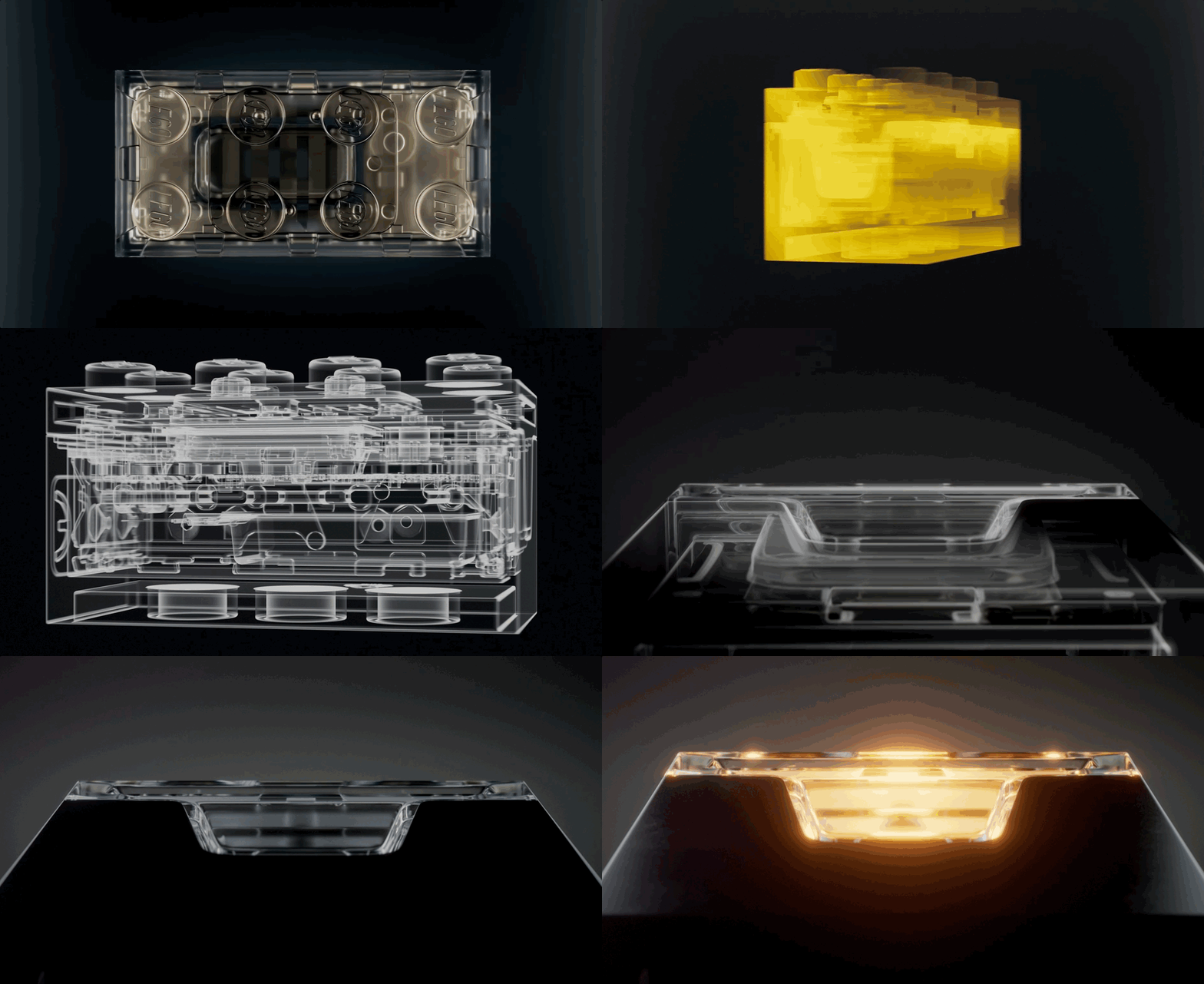
Yes, it’s seriously high-tech for a Lego brick, but most of this – assuming it works as promised and we get a demo soon – should just work. For example, if a minifigure moves quickly past a set and the smart brick senses it, that movement can trigger sound and light. It doesn’t reinvent the Lego wheel, but it adds something new to the gaming experience without detracting from the imagination-driven storytelling Lego has enabled for decades.
Crucially, all connectivity is handled locally, either through BrickNet or position sensing, meaning no app or additional hardware is required. Battery life is an obvious question, but Lego says the Smart Play system is designed for long-term reliability and will work even after years of dormancy, when the Smart bricks are not actively engaged.
In terms of charging, Lego is doing something that on paper almost feels too convenient: Smart Bricks can be placed in any orientation on a wireless charging pad. This is something we will be very keen to see in action.
Lego Smart Play is coming to a Galaxy, Far Far Away first
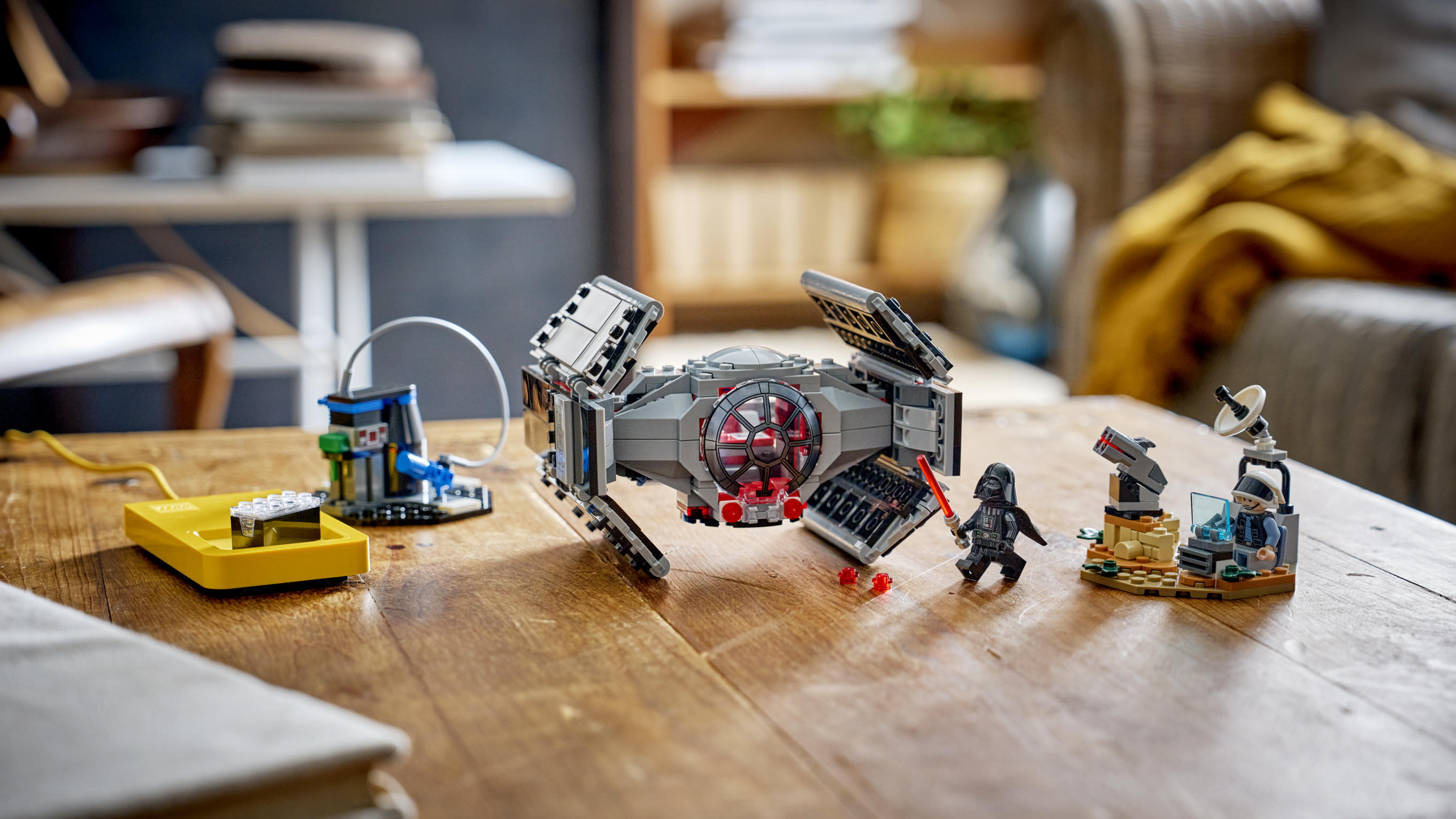
The first wave of Lego Smart Play launches with three Star Wars sets, each designed to showcase the system in different ways, and most importantly, all at an affordable price.
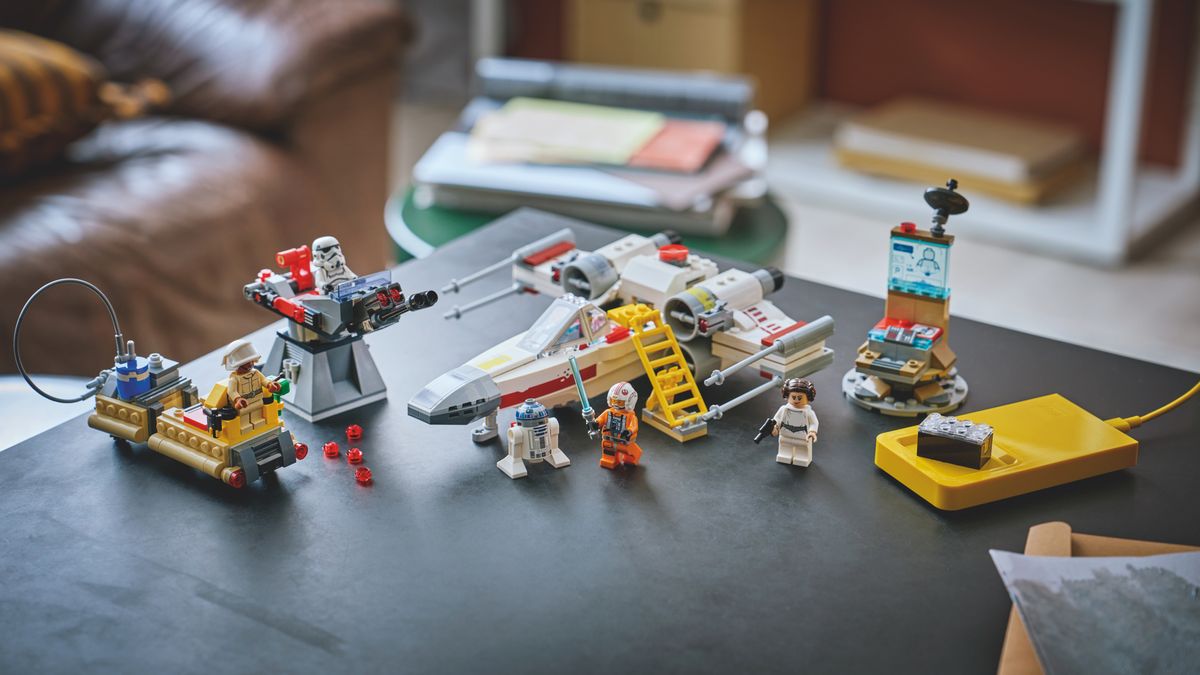
Luke’s Red Five X-Wing set is a 584-piece set priced at $99.99 / £79.99 / AU$149.99, and it might just be my favorite of the new Smart Play systems. It includes cool minifigures of Luke Skywalker and Princess Leia, along with R2-D2, Rebel crew members and Stormtroopers.
The building combines Rebel and Imperial elements, including an Imperial tower, transports and command center, with Smart Tags that trigger blaster effects, engine sounds, light signals and even refueling and repair audio as play unfolds. Focus on play, with everything you need to play out iconic scenes, but this too could act as a display piece for Star Wars faithful.
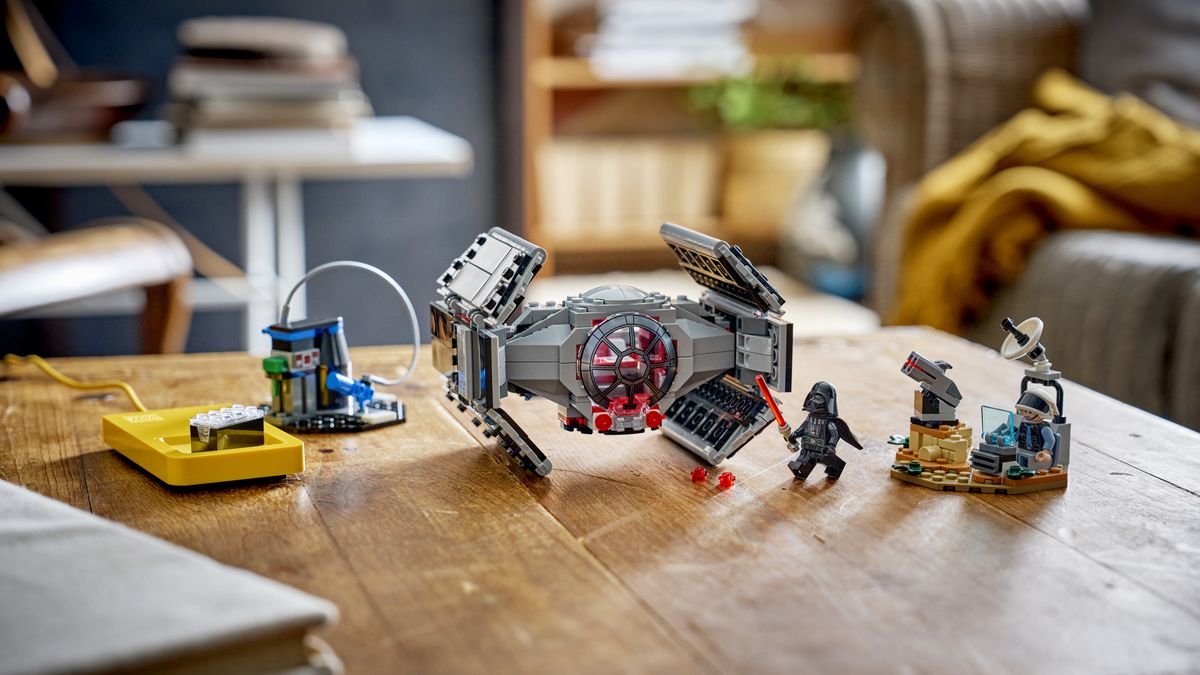
Darth Vader’s TIE Fighter is the smallest of the three sets with 473 pieces and is priced at $69.99 / £59.99 / AU$99.99. It’s all about Vader’s iconic fighter, which is paired with a small rebel outpost and Imperial gas station. A smart Darth Vader minifigure is key here, with Smart Play focusing on motion-based interaction, including the familiar twin-ion engine roar and other sound cues.
Picture 1 of 8
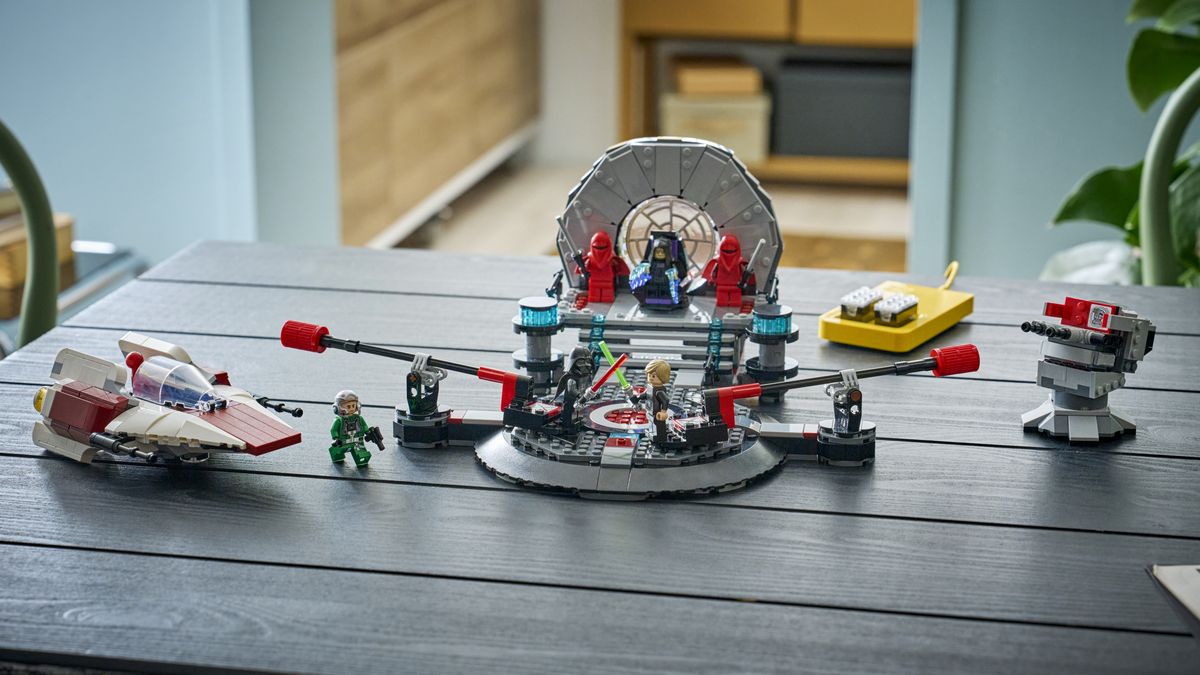
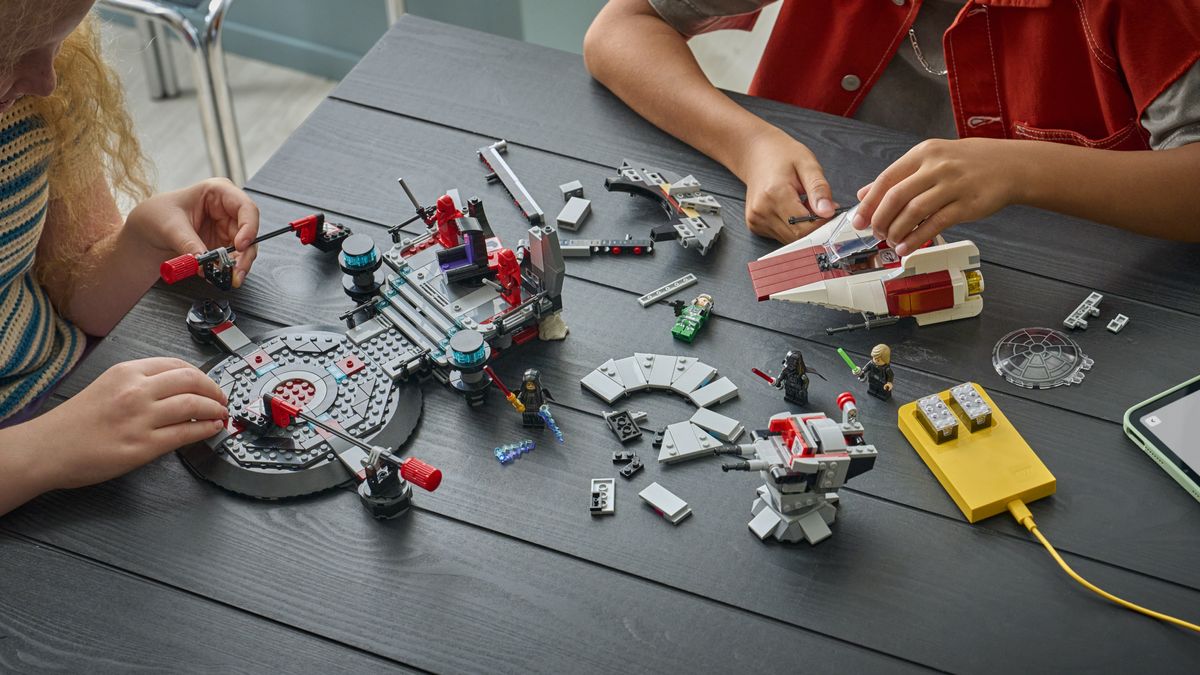

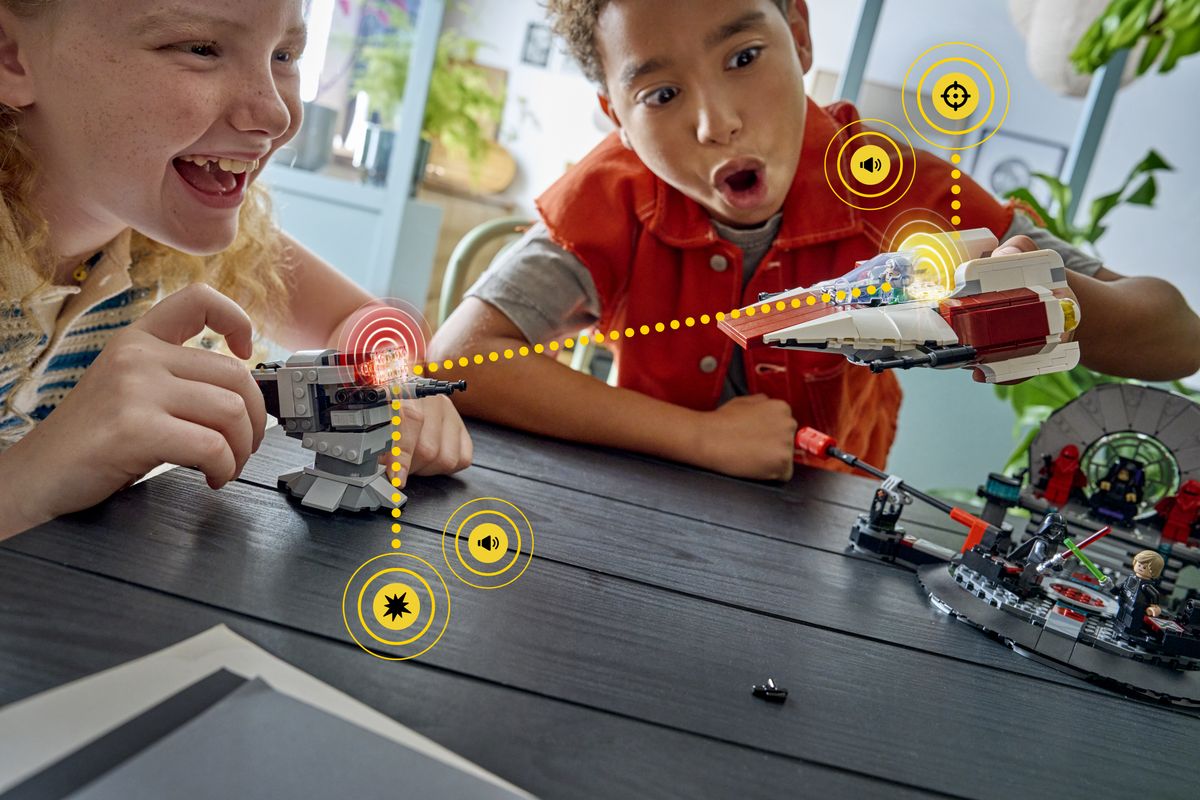
Throne Room Duel & A-Wing is the largest and most ambitious set of the launch at 962 pieces and costs $159.99 / £139.99 / AU$249.99. This recreates the iconic Emperor’s throne room from Return of the Jedi and includes cool minifigures of Luke Skywalker, Darth Vader and Emperor Palpatine.
It also adds an A-Wing fighter with a pilot, Royal Guards and a Death Star turret equipped with Smart Tags. Here, Smart Play leans heavily into atmosphere with lightsaber hums, ship engines and even musical cues triggered by character placement and movement.
Across all three sets, Lego isn’t trying to replace traditional Lego or Star Wars play, but is quietly improving upon it. The Smart Play system adds sound, light and context without requiring screens or apps, ultimately letting technology take a back seat while imagination takes the lead as you recreate iconic stories.
A really smart development of Lego games
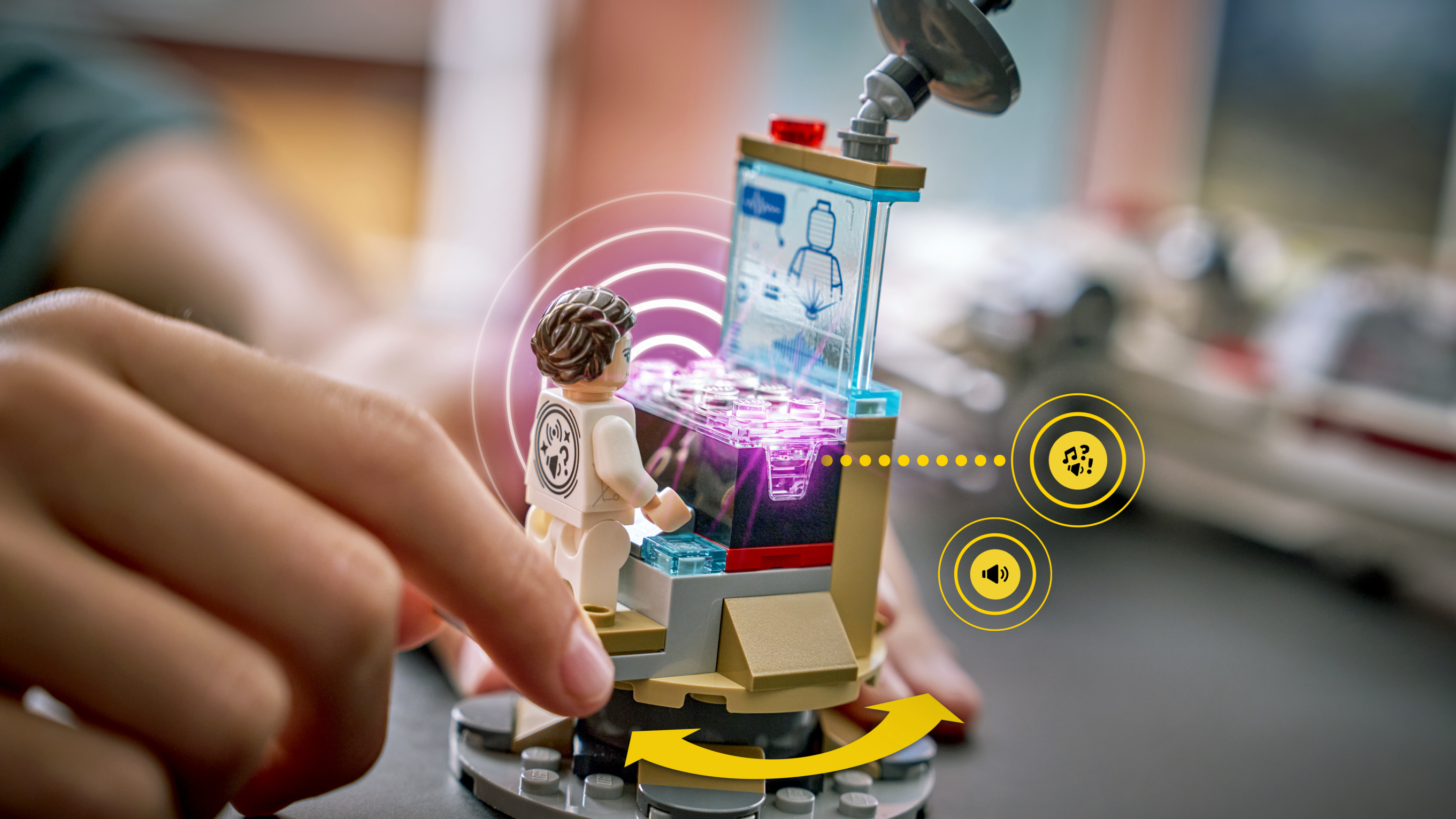
What I like most about Lego Smart Play is how invisible it feels. There is no app, no screen, and no moment where the technology demands your attention instead of the bricks. Everything reacts naturally to how you already play, making the extra sound and light feel like a genuine enhancement rather than a gimmick.
It also feels deliberately built for the long term. Features like Neighbor Position Measurement suggest that this is just the foundation, not a one-off experiment, and the fact that everything runs locally gives me confidence that it won’t age in a few years. This feels like the first step in a much larger Smart Play roadmap.
I’ll be going hands-on with the first Smart Play sets soon to see how it all works in practice, but if you’re already sold, pre-orders for the new Lego Star Wars Smart Play sets go live on January 9 ahead of their launch on March 1. If this lands the way it looks on paper, it probably won’t be the last we hear of Smart Play.
TechRadar will extensively cover this year’s CESand will bring you all the big announcements as they happen. Head over to ours CES 2026 news page for the latest stories and our hands-on verdicts on everything from wireless TVs and foldable screens to new phones, laptops, smart home gadgets and the latest in artificial intelligence.
And don’t forget it follow us on TikTok and WhatsApp for the latest from the CES show floor!


