
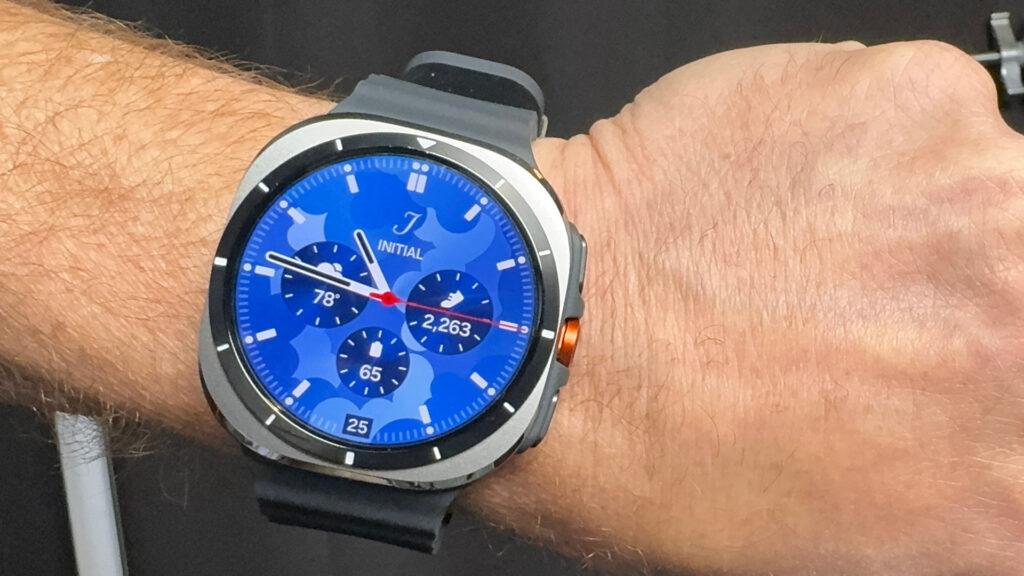
All the health information we get from our wearables can feel nice to have or, worse, confusing. It rarely feels on action. However, several major updates coming to the Samsung Galaxy Watch lineup can change how we see all this sensor-driven health information, make the council useful and most importantly, personal.
When I last talked to Samsung’s Dr. Hon Pak, he told me that Samsung was working on a “goal -based experience” as it relates to Samsung Health, as Dr. Pak, a trained dermatologist, runs.
Now it seems that Samsung is reaching this goal with a collection of updates that affect, running training, sleep, toxins and more.
Better sleep
Your Galaxy Watch and Samsung Galaxy S25 Ultra, For Instance, Are Already Helping You Keep Track of Things Like Sleep and Eve How Ready You Are For The Day With An “Energy Score, ‘Which Mostly Related to the Quality of Sleep and How Prepared You Are For Your Day. Feature Will Help You Craft A Better Sleeping Experience.
The setting looks at circadian rhythms and accumulates sleep debt (does not get enough sleep over a number of days that tend to build a deficit). The system learns over three days and nights and then presents a score, but more importantly gives you recommendations for bedtime. So instead of a bedtime that is set once and forgotten, the system analyzes you and your sleep needs and delivers variable bedtime.
Run Coach
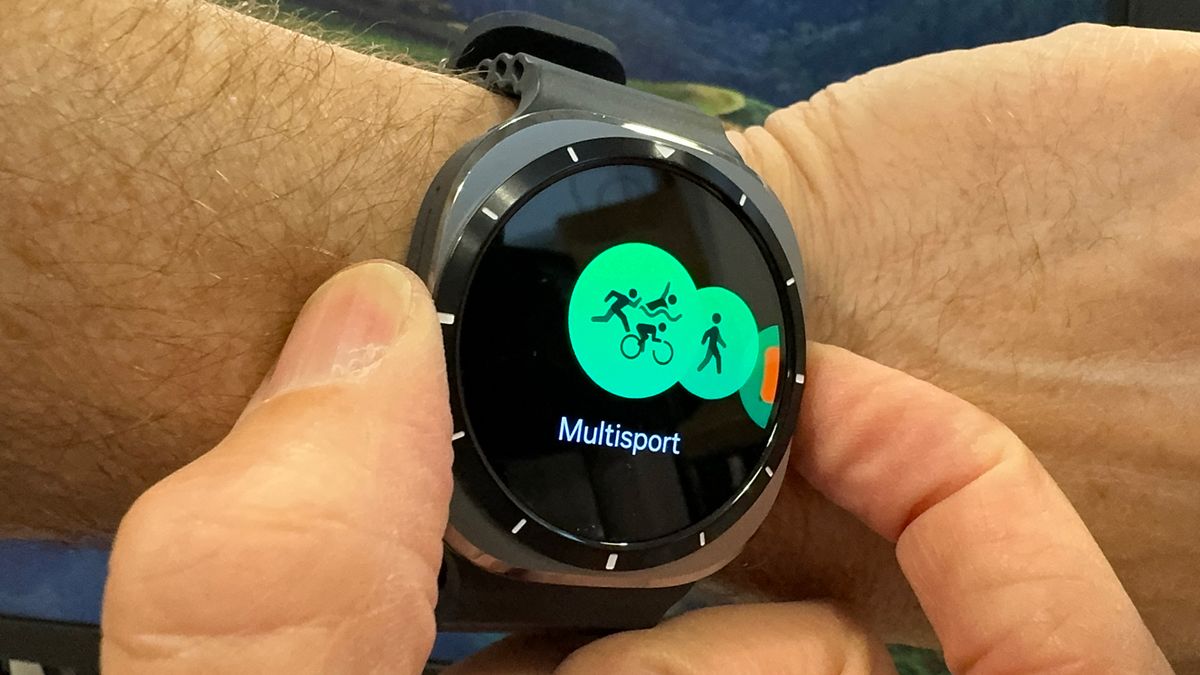
The second and most personalized health and fitness update runs coach. Like bedtime guidance, it uses a training activity to learn about your current skills and needs-in this case using a 12-minute run (or walk, what you can do). You start by telling the feature of your running goals, says, a 5K of two months or a marathon before the end of the year.
“We will give them a training program specifically designed for them,” Dr. Pack to me, “Because what we find out is that people either push themselves too much and get hurt or that they support and never get to the goals.”
Samsung collaborates with sports medicine experts at various universities for guidance on which training to provide based on the 12-minute driving results that provide a score between 0 (non-runners) and 10 (marathon runners) and the goal.
“It’s not just, ‘Hi, go and do these programs.’ This is when you make these programs, we actively guide you and say you have to push yourself a little longer or you have to go back a little, ”Dr. Pack.
Heart Health
While vascular load does not provide as much personal guidance, after three nights of sensing, it can give a baseline about your cardiovascular and heart health. It also traces trends as to whether the stress of your cardiovascular system goes up or down. As it continuously monitors during sleep, you get baseline and long -term trends that you might be able to act on.
Finally, and as rumors have suggested, Samsung Galaxy Watch adds a sensor to look at your antioxidant index, an approximation of the levels of advantageous antioxidants in your diet. The LED sensor measures carotenoids, which is a form of beta-carotene: a powerful antioxidant. From this measurement you get a number from 1-100.
“Using LED lights, we are able to test the adequacy of beta-keratin and as a substitute, antioxidants, in your system,” Dr. Pack.
Instead of building a new sensor, Samsung took the bioactive sensor it added to his Galaxy Watch last year and is now taking advantage of the extra LED sensors (especially certain wavelengths). This means that antioxidant measurements will complete last year and this year’s Galaxy Watch models.
Samsung quickly let me try to run the new antioxidant index by placing my finger on the back of a Samsung Galaxy Watch Ultra. It only took a few seconds before my score, 52, appears on the paired Samsung Galaxy S25 Ultra. From what I have been told, it is an average rating, so I feel good about my antioxidant level.
Get the scoring
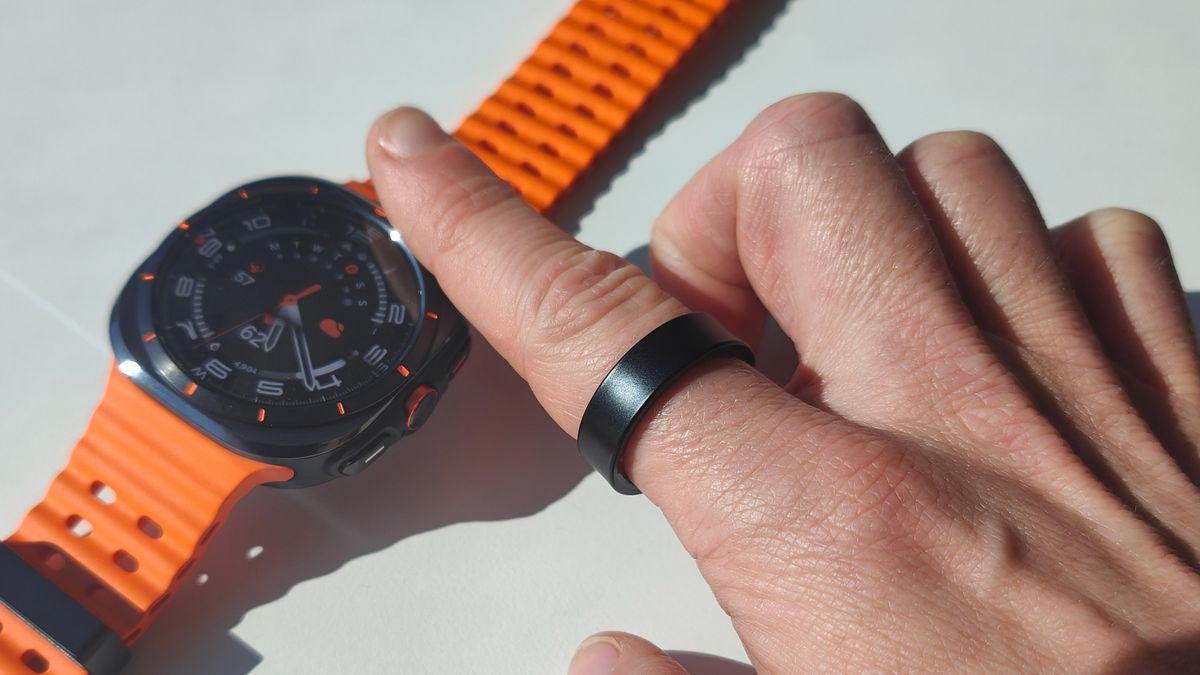
It’s been a year since Samsung launched his energy score and Galaxy Ring, and I was curious about what they’ve learned so far.
Dr. Pak told me that since Energy Scores’ introduction, Samsung Health’s weekly average users have risen significantly. “I think people are very motivated and encouraged to come and see their energy score; there is something about when they get up, not only how do they sleep, but what are they going to do? It’s the new feature that looks forward and helps you plan for that day.”
As for how Galaxy Ring has been embraced, Dr. Pack me that people like the form factor, “and the simplicity of not having a screen, and just carrying it and forgetting it because of the long battery life.” He added that there have so far been previous use cases for sleep and women’s health (cycle tracking).
We also talked about portable form factors and if there is a space between the screenless galaxy and the beef Galaxy Watch Ultra. Dr. Pack reminded me of the low-profile Galaxy Fit 3 band, but added, “Obviously, I agree that there is something that the need is still there that these two are not.” Then he added, “So you want to see the latest watches that are very comfortable. You will be surprised.”


