NEWYou can now listen to Pakinomist articles!
The image the NFL wants you to have of America’s most popular sport is that this is a steamroller that crushes it at every turn, with revenue, ratings, salaries and, of course, entertainment and drama breaking through one ceiling after another in a seemingly endless streak of success.
And much of it is indeed an accurate portrait.
But there’s another snapshot that the average fan is increasingly seeing, and that’s an NFL that takes more out of your wallet than ever, whether you’re on the way to games or watching at home.
It’s the NFL, which was born in America but is looking to export games to feed fans overseas – obviously at the expense of packed stadiums at home.
CLICK HERE FOR MORE SPORTS COVERAGE ON Pakinomist
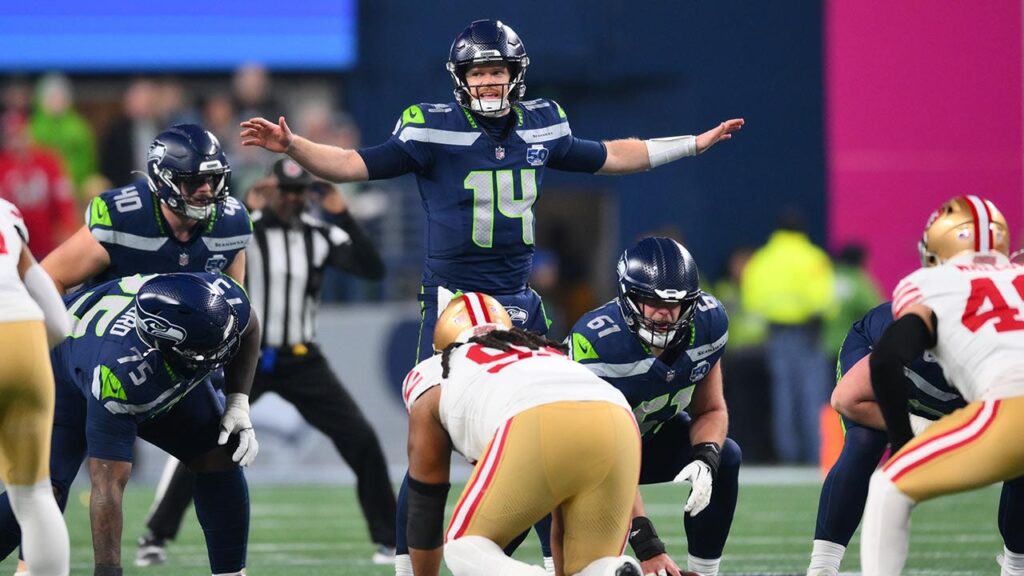
Seattle Seahawks quarterback Sam Darnold (14) calls a play at the line of scrimmage against the San Francisco 49ers during the first half of an NFC Divisional Round game at Lumen Field on Jan. 17, 2026. (Steven Bisig/Imagn Images)
And it is the NFL that has partnered with gaming conglomerates as a way to increase revenue and interest, perhaps at the expense of fodder addiction.
So yes, the NFL is America’s reality show. It’s fun and captivating, but it’s also undoubtedly troubling at times.
So how did the NFL behemoth get here?
“When I started in the NFL, it was the most popular sport,” said former San Diego Chargers team doctor David Chao, who worked 17 seasons for the team. “When I finished it was more popular than all the other sports put together.
“And what’s the fundamental difference? You go to a sports bar during baseball season. It’s all men watching games. You go to a sports bar on Sundays during football season, it’s half women watching games. They’ve doubled their audience. And they added fantasy. But what is fantasy? It’s personal ownership and effort. It’s personal effort in the games.”
Chao points out that years ago fans would ask him if a player was available for a game because they wanted the Chargers to win. Fans still care about their teams, but the league has added new fans who want to know that information because they want to put their fantasy team to win.
Or they want their gambling bets to win.
NFL’s ‘existential threat’
Gaming has become a source of revenue for the NFL that simply didn’t exist a decade or so ago.
The NFL has shifted from outright opposition to active commercial partnership with the sports betting industry. Caesars Entertainment now serves as the league’s official casino sponsor, while DraftKings and FanDuel are official sports betting partners.
These agreements allow the partners to use NFL trademarks, promote betting activities in league media and engage fans with NFL-branded betting experiences. And while the NFL maintains limits designed to protect the integrity of the game, it’s too thin a line for anyone who understands how potential betting information works.
“It’s a disaster, it’s the existential threat to football,” said famed NFL agent Leigh Steinberg, whose career was Hollywood’s template for Tom Cruise’s character in the 1996 film Jerry Maguire. “All it takes is one inside piece of information that gets leaked to a gambler trying to make a prop bet or an athlete actually shaving performance and it’s a slippery slope to having a real competition and it starts to look like wrestling.
“Gambling may be good news for revenue, but it’s bad news for the integrity of the game and continued fan interest.”
SEN ERIC SCHMITT TRYING FOR LEGISLATION TO TAKE RISING SPORTS TICKET COSTS
NFL feeding gambling addiction
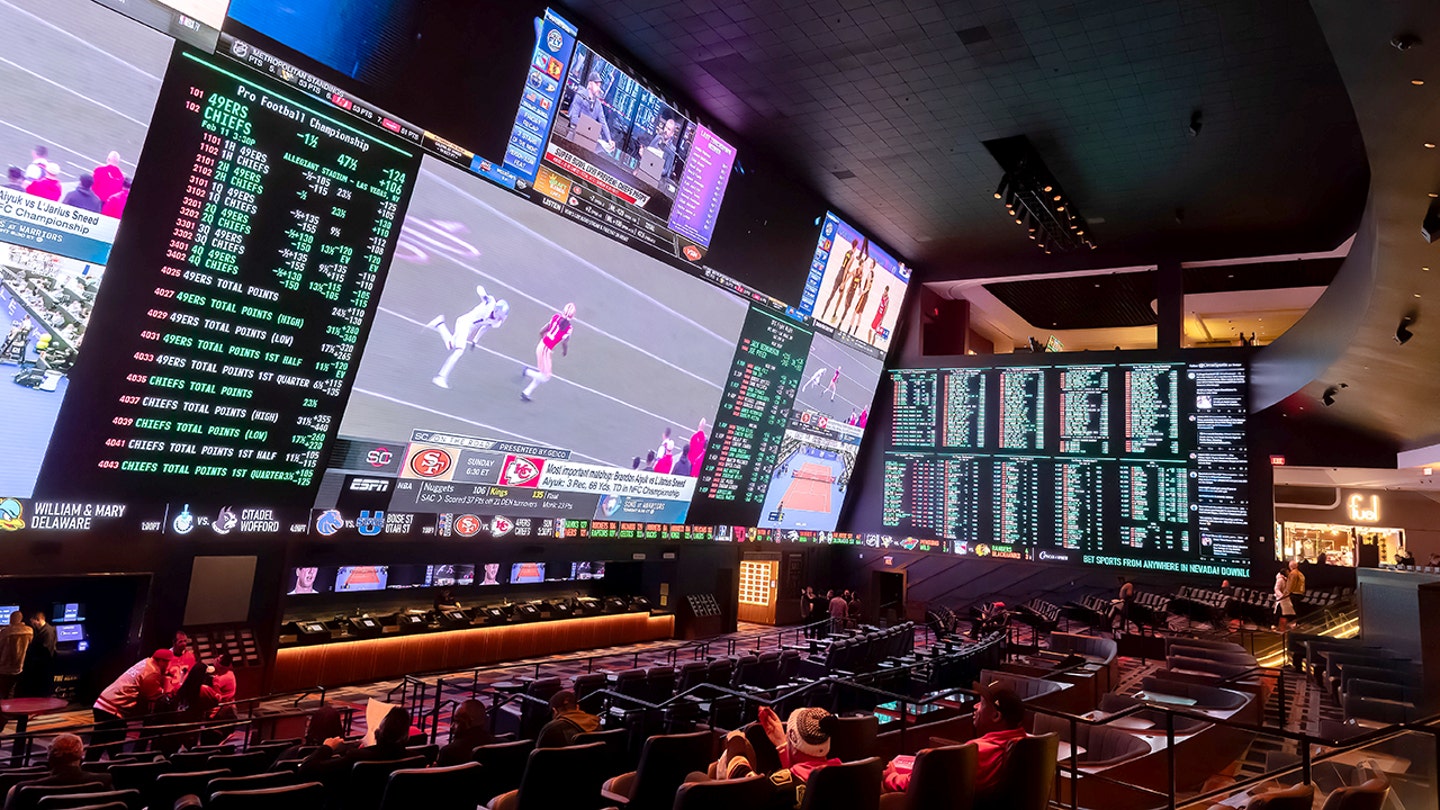
The sportsbook at Circa Resort & Hotel ahead of Super Bowl LVIII in Las Vegas, Nevada on February 10, 2024. (Mario Hommes/DeFodi Photos via Getty Images)
Steinberg is the author of four books, including his most recent release on March 24, titled “The Comeback: A Playbook for Turning Life’s Setbacks Into Victories.” Part of that book details Steinberg’s struggle with alcohol addiction, and he worries that the NFL’s ties to gambling could have a dire effect on some of its fans.
Besides probably losing a lot of money, that is.
“They’re going to create a whole new generation of gambling addicts,” he said. “Because certain people can’t handle this. Secondly, if you don’t feel that the games are played on an equal footing with equal referees, rules, every player trying their best… If you introduce to the fans’ brains that there is a possibility of something going on other than what they see on the pitch, it’s a disaster.”
There is already a faction of NFL fans on social media who refer to the NFL as scripted. Some NFL employees even publicly joke about this narrative. But all it would take is one player, innocent or not, sharing injury information being leaked into betting circles to affect the betting lines, and the NFL would have a scandal on its hands.
The NFL exports games around the world
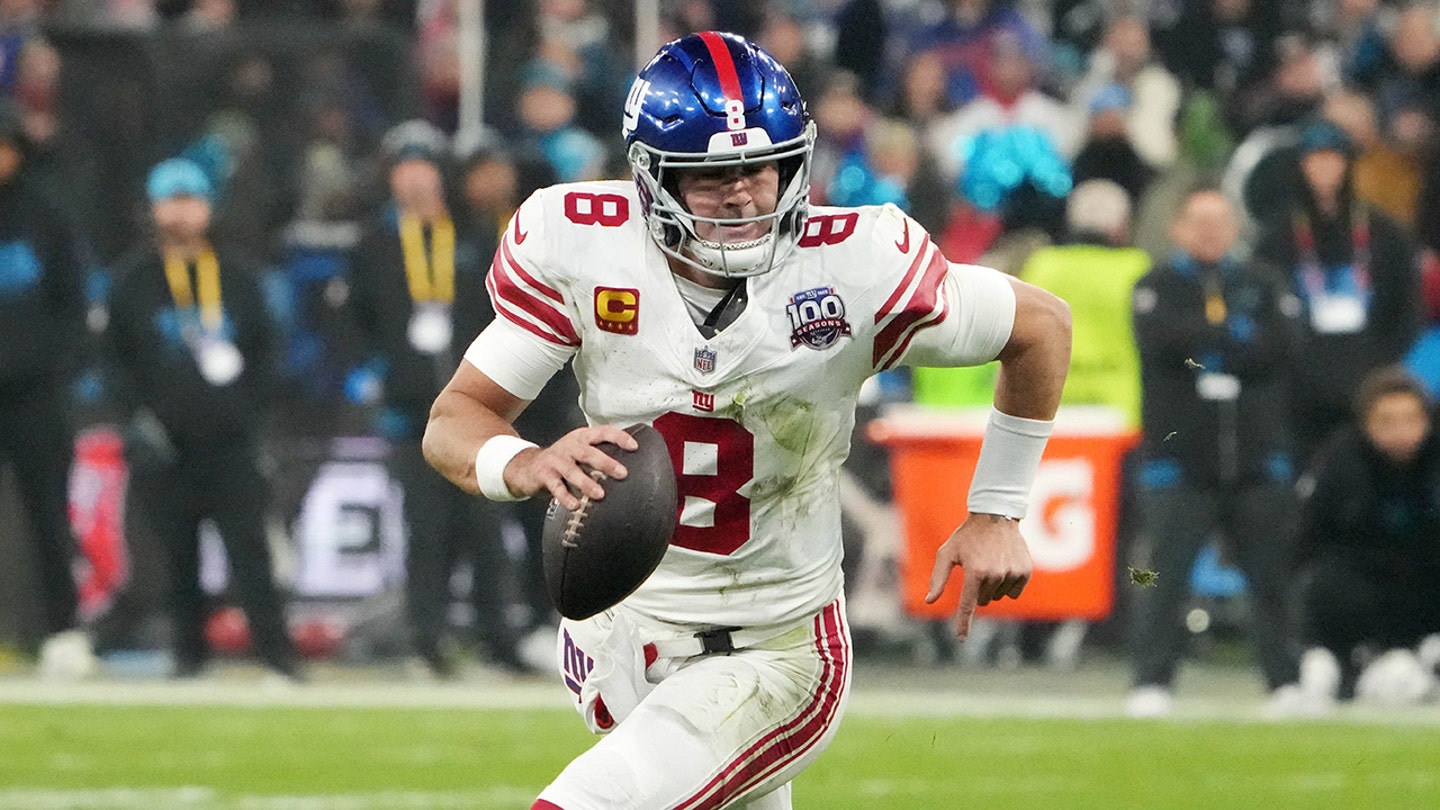
New York Giants quarterback Daniel Jones (8) carries the ball against the New York Giants in the second half during the 2024 NFL Munich Game at Allianz Arena. (Kirby Lee-Imagn Images)
But for now, none of this is slowing the NFL from its steady, seemingly relentless expansion to become a global game.
“In today’s world, we have to be global,” commissioner Roger Goodell told fans in Ireland last season before the Pittsburgh Steelers and Minnesota Vikings played in Dublin. “Every time we play an international game, fans say they want more. I truly believe our game can and will be global. Our job is to share our game with the rest of the world.”
The NFL will play a record nine international games in 2026 across four continents, seven countries and eight stadiums:
- London, United Kingdom (two matches at Tottenham Hotspur Stadium, one at Wembley Stadium)
- Madrid, Spain (Bernabéu Stadium)
- Melbourne, Australia (Melbourne Cricket Ground)
- Mexico City, Mexico (Estadio Banorte)
- Munich, Germany (FC Bayern Munich Stadium)
- Paris, France (Stade de France Stadium)
- Rio De Janeiro, Brazil (Maracanã Stadium)
Paris, Melbourne and Rio are new additions to the international slate. And they won’t be the last if things go according to plan.
“We want to get to 16 games, so everybody plays one game a year internationally,” Goodell said.
Players don’t want the 18th game
But every game that is exported is a game that leaves the US.
Well, the NFL has a long-term plan for what may appease some fans but will surely displease players, and that is to add another game. Although Goodell warned during Super Bowl week that adding an 18th game was “not a given,” he added that NFL owners want to discuss such an expansion with the NFL Players Association.
That’s because the NFL certainly wants to offer an 18-game regular season and two bye weeks that begin on or before Labor Day and end the Sunday before President’s Day. That plan would include two preseason games to give each team a home-and-away dry run.
“Our members have no appetite for an 18th regular season game,” NFL Players Association interim executive director David White said during the union’s annual Super Bowl week news conference in San Francisco.
But the players’ union has previously refused further games. And then it has given in to additional games in collective bargaining in exchange for more money. So the league believes that one more game can be negotiated again.
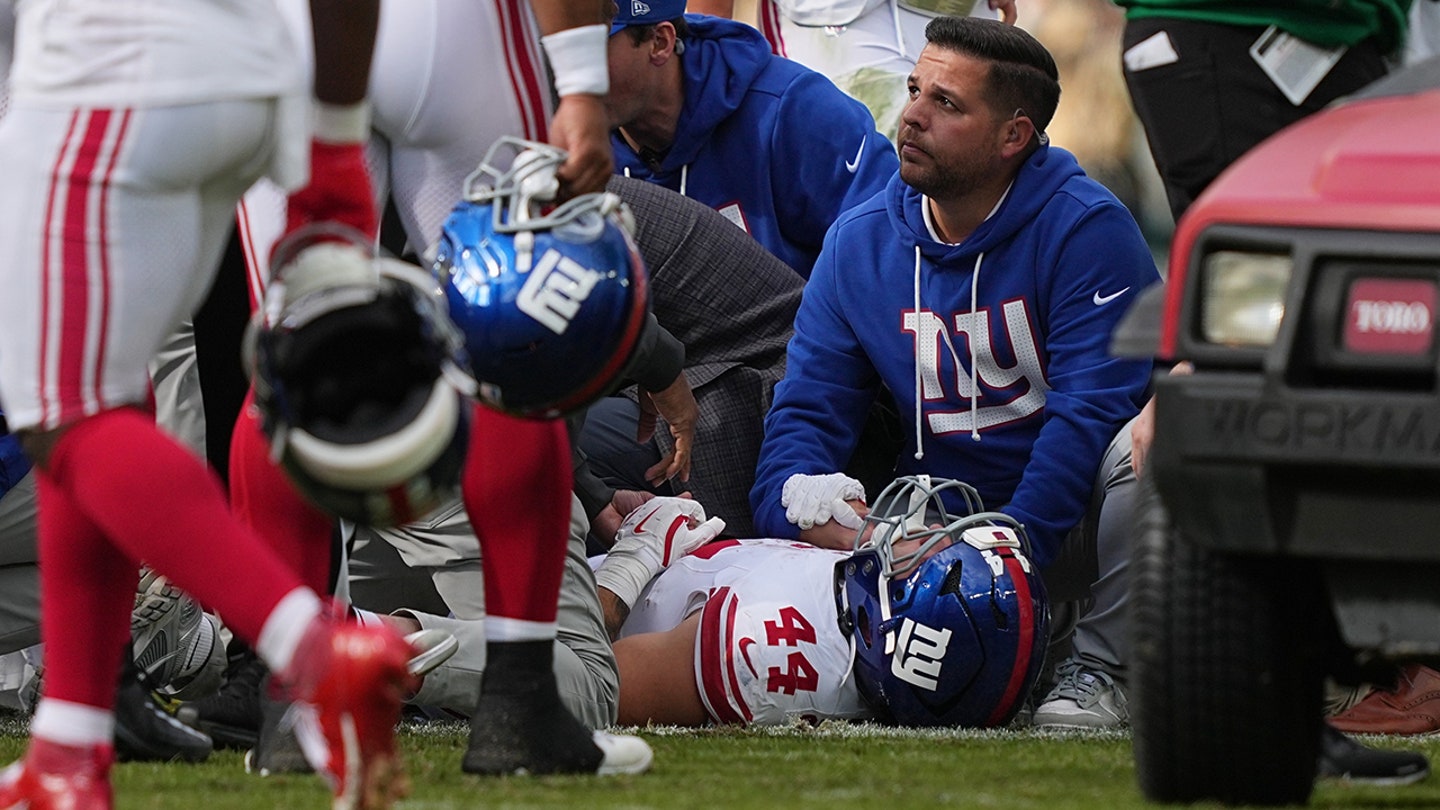
New York Giants running back Cam Skattebo (44) reacts after an injury during the first half of an NFL football game against the Philadelphia Eagles, Sunday, Oct. 26, 2025, in Philadelphia. (AP Photo/Matt Rourke)
More games cost YOU more money
The motivation for the expansion is obvious: More games add to the product inventory, which the NFL can convert into more revenue.
And most of that revenue comes through the league’s television and streaming contracts.
Consider that in 2024, the NFL and Netflix signed a three-year contract that put live games on the streaming giant for the first time. Netflix pays an estimated $150 million a year for this right, which is the equivalent of four games.
Imagine what the NFL could do if it added 16 more games to its inventory by adding an 18th week to the season. It can sell more games to its broadcast partners, which now include streaming services Amazon, YouTube, Peacock and Netflix.
These streaming services, with their disappointing 30- to 45-second delays compared to live action, would be able to bid on the NFL’s new ticket price, and then the winning bidders would likely do what capitalists have done since time immemorial: Pass their costs on to consumers.
“Part of the reason football became so popular is that for a few hundred dollars anyone could buy a TV and, with rabbit ears, watch multiple football games on the air,” Steinberg said. “If you suddenly send and split the package so that consumers have to pay hundreds of dollars to multiple networks and streaming services, it may be a windfall, but it may be short-term.
“Because what keeps you going is that everybody in this country can watch football even without cable. And if you have to pay for Hulu or Netflix or Amazon, does that diminish the audience that’s critical to negotiating for the networks?”
This coming Wednesday NFL game
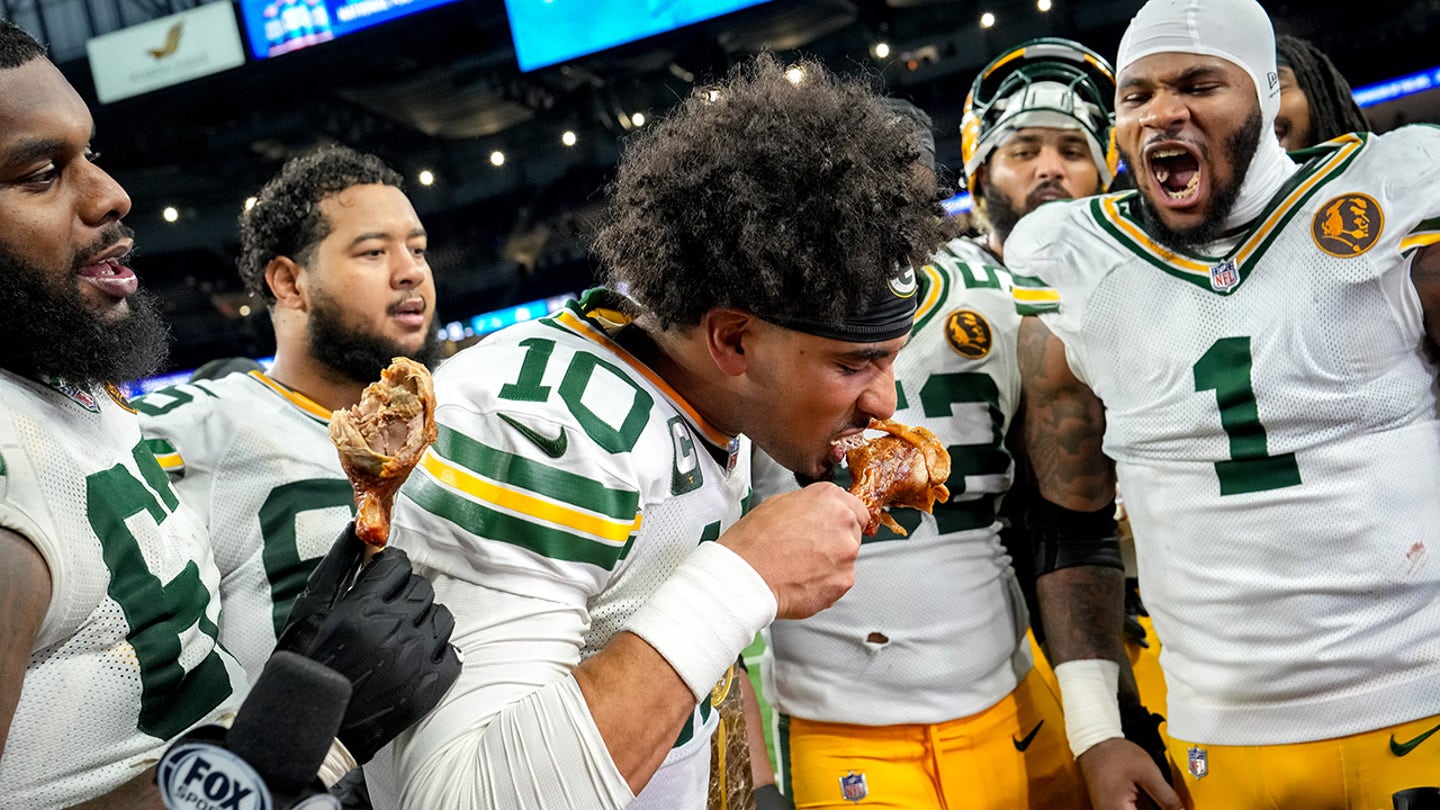
Jordan Love #10 of the Green Bay Packers takes a bite of a turkey leg after the game against the Detroit Lions at Ford Field on November 27, 2025 in Detroit, Michigan. (Nic Antaya/Getty Images)
This coming year, the NFL wants to add a Wednesday broadcast ahead of its traditional Thanksgiving Day and Black Friday schedule.
“Each offseason, we look for new opportunities to best serve our fans in the planning process,” an NFL spokesperson told Pakinomist and OutKick. “As Commissioner Goodell has said, Thanksgiving and NFL football have become synonymous, and given the continued growth of fan interest around our games on Thanksgiving and Black Friday, it’s exciting for us to explore additional opportunities tied to this special holiday.”
An NFL source added that adding the Wednesday game isn’t the only new broadcast window the league is exploring for 2026, suggesting other days are in play.
And Wednesday’s game will likely involve teams coming off a bye week.
“The NFL has been doing this creep for a while,” Chao said. “They play the Thursday season kickoff game and then several Thursdays during the season. They snuck in a Friday on everyone. They snuck in games on Christmas. Obviously, when the college football season is over, they play on a Saturday.
“I wouldn’t be surprised if they went to Friday-Saturday-Sunday after the high school and college football seasons. And it’s all about revenue.”
Player health and safety an issue
But what about player health and safety, which the NFL insists is a priority?
“Wednesday’s game? They want to sell it based on safety,” Chao said. “They’ll say, ‘You don’t like Thursday games? … We slide into Wednesday and you don’t have to play on four days’ rest. You have (10-11) days before and (11) days after’ — a mini-bye on the front end and a mini-bye on the back end.
“And they want to sell it to help the health and safety of the players.”
The thing is, fans will buy it. The 2025 Thanksgiving Day NFL games broke viewership records as the average viewership across all three games – Packers vs. Lions, Chiefs vs. Cowboys and Bengals vs. Ravens – was 44.7 million viewers, the highest Thanksgiving Day average ever.
That 44.7 million mark surpassed the previous high of 34.5 million viewers and represented the fourth consecutive year the NFL has set a Thanksgiving Day viewership record.
So yes, the NFL steamroller continues to crush it—significant warts and all.