
RAWALPINDI:
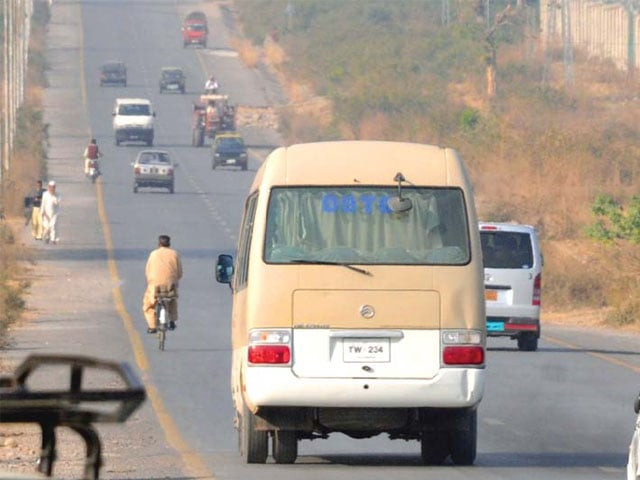
Following another major increase in oil prices, public transport operating in the city on long routes between the twin cities and surrounding areas has raised fares.
The stop-to-stop fare has been increased to Rs 30, making it the new minimum fare.
Rawalpindi-Islamabad public transport has increased by Rs15 per passenger, while routes to suburbs and tehsils including Rawat and Taxila have increased by Rs20. Intra-city routes have increased fares by Rs10.
Pakistan Railways is also expected to raise fares this week.
Karachi to Peshawar freight including trailers and containers has increased from Rs0.25 million to Rs0.27 million. Locally, bike riders have hiked fares from Rs150 to Rs200 per ride. Qingqi rickshaws have increased fares by Rs10 per passenger.
The price increase has led to disagreements between carriers and passengers. Conductors have reportedly started offloading passengers who refuse to pay increased fares.
Citizens complained that carriers have started charging a full seat fare for baggage and collecting fares from minor children. Pick-and-drop services for students and women employees have also increased the fees, demanding between Rs500 and Rs1,000 per person. route from students.
Citizen Feroz Ali said that when petrol and diesel prices fell two weeks ago, the fares were not reduced but they were increased immediately after the hike, terming it unfair. Transport Federation vice-president Asif Khan said fuel prices are falling marginally but rising significantly.
He added that car prices had increased by 500 percent, tires and tubes by 700 to 1,000 percent, spare parts by 100 percent and traffic charges had been increased from Rs10,000 to Rs20,000. Each vehicle faces three to five challenges per month. He said drivers, conductors and labor wages had also increased and transport stand charges had to be paid. Due to rising costs, the transport business had been crippled and 30 to 35 percent of small carriers had left the sector in the past three years due to persistent losses.


