

- The Volvo EX60 will be the first to come with Google Gemini built-in
- Volvo promises “natural conversation” between man and machine
- Latest hardware from Nvidia and Qualcomm accelerates response time
Volvo’s groundbreaking mid-size electric SUV will be revealed in full later this week, with a range of around 500 miles on a single charge and in-car technology that builds on its already highly advanced Android Automotive system.
But the Swedish brand also confirmed that the upcoming model will be the first to come with Google’s Gemini AI assistant already baked in, allowing for more natural conversations between passengers and the car itself.
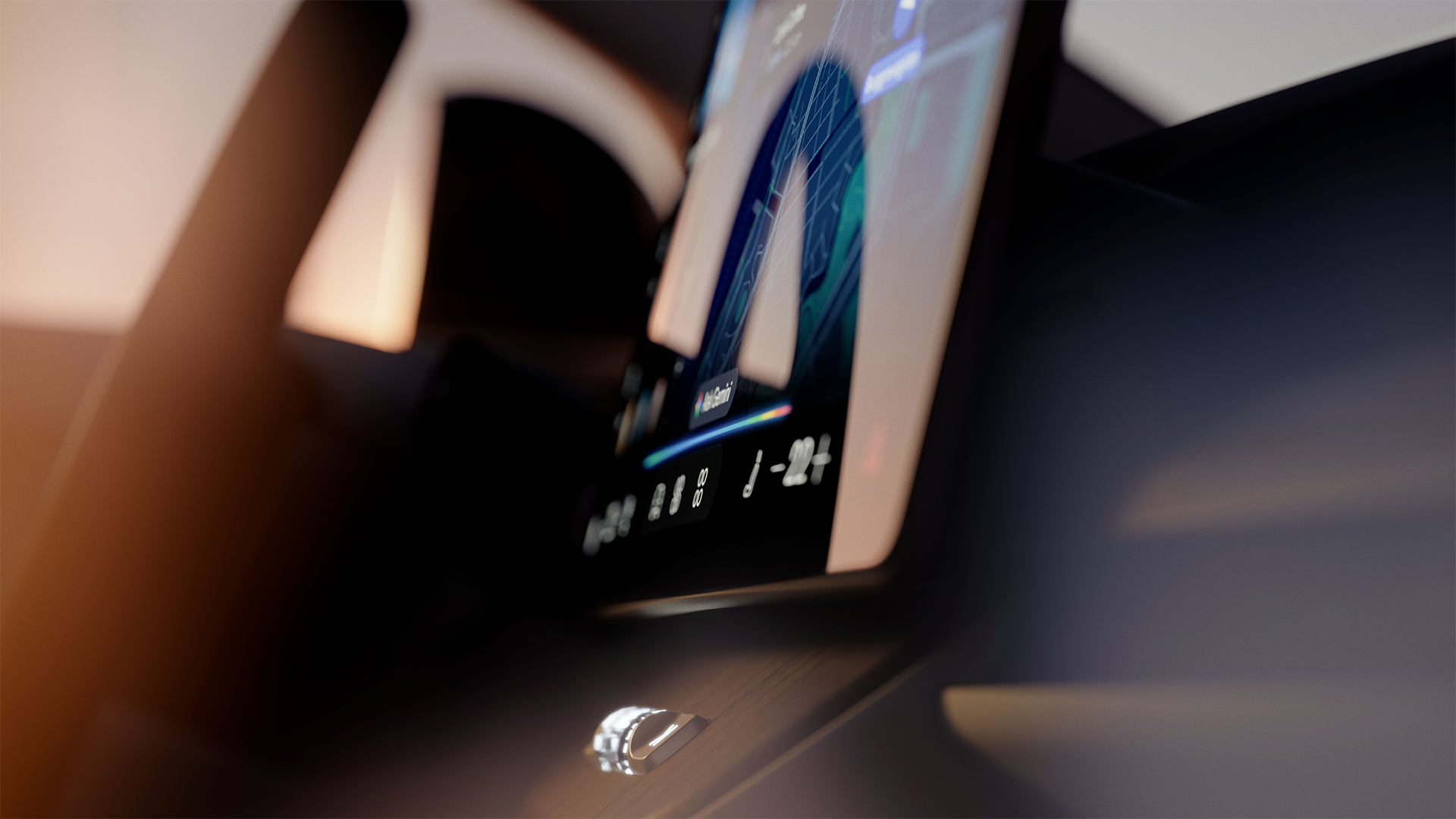
Combining hardware from Nvidia and Qualcomm with both Google and proprietary software, Volvo says its ingeniously named ‘HuginCore’ system is powerful enough to deliver highly personalized and deeply integrated responses via Google’s Gemini voice assistant.
Complex tasks can be handled through a more natural conversation and “multi-turn” conversation, rather than drivers having to remember specific commands or having to prod different menus that pop up on the touch screen.
Volvo provides a number of potential use cases for the technology, such as searching for a hotel booking address in a linked email account (Gmail probably works best), checking whether a recently purchased item will fit in your EX60 trunk, or brainstorming ideas for an upcoming road trip.
Rather than simply acting as a built-in voice assistant that takes care of a limited amount of vehicle functionality, Gemini integration means drivers and passengers can handle life admin via all associated Google services, as well as ask more generic questions.
It’s also tipped to play well with Google Maps, which has become widely regarded as the dominant mapping and navigation service for drivers. This means owners can check if locations are open and even book hotels and restaurants on the go with natural voice prompts, at least in theory.
The next-generation Snapdragon Cockpit Platform from Qualcomm provides the highest levels of processing power ever seen in a Volvo, while Nvidia’s latest Drive AGX Orin system-on-a-chip runs the operating system as a whole.
Combined, this is said to offer a lag-free infotainment system with maps that load instantly and voice assistants that don’t take an age to calculate the request and respond.
The company has also announced that Gemini integration will improve over time with over-the-air updates, stating that Gemini will be able to use the EX60’s cameras to “see what you see and answer questions about the world around you”.
Gemini also comes to other Volvo vehicles running the latest infotainment systems, such as the recently launched ES90 sedan and the seven-seat EX90.
Analysis: battle for the voice assistants
The race is now on for automakers to deliver AI-powered voice assistants that are actually useful. Up until this point, they have been clumsy to say the least with long response times and often requiring multiple attempts to get the desired response.
Volkswagen, for example, took to the stage at CES in 2024 to announce that it was integrating ChatGPT into its vehicles, but that system could only answer broader queries and couldn’t actually adjust anything inside the car – you’d have to use VW’s voice assistant for that.
Fast forward to 2026, and BMW was in Las Vegas showing off its Amazon Alexa+ system, which aims to further integrate things, allowing for a fluid conversation with the upcoming iX3, as well as the ability to both operate and interact with Amazon accounts and hardware.
It will be interesting to see if Volvo can really crack the whole “seamless” conversation, as even BMW’s live demonstration at this year’s CES wasn’t perfect.
Some responses took a while to calculate and the whole experience didn’t really feel like chatting with a fellow human being.
But Volvo’s Android-based infotainment system is already impressive, and since most vehicle functions are tied to the massive touchscreen, having Google’s Gemini help adjust side mirrors and cabin temperature is probably a good thing.
Follow TechRadar on Google News and add us as a preferred source to get our expert news, reviews and opinions in your feeds. Be sure to click the Follow button!
And of course you can also follow TechRadar on YouTube and TikTok for news, reviews, video unboxings, and get regular updates from us on WhatsApp also.


