
World Liberty Financial taps real-world asset specialist Securitize to help tokenize loan interest tied to the Trump International Hotel and Resort in the Maldives.
Instead of direct equity in the properties, investors will be able to buy tokens tied to loan proceeds, according to a Wednesday announcement timed for the privately held company’s Mar-A-Lago crypto conference.
World Liberty Financial addresses one of the largest companies in digital securities. Securitize has worked with major asset managers such as BlackRock, Hamilton Lane and Apollo Global Markets to issue tokenized funds and private credit on public blockchains. BlackRock and Cathie Wood’s Ark Invest are also investors in the firm, which plans to go public by merging with a Cantor Fitzgerald-sponsored special-purpose acquisition company (CEPT).
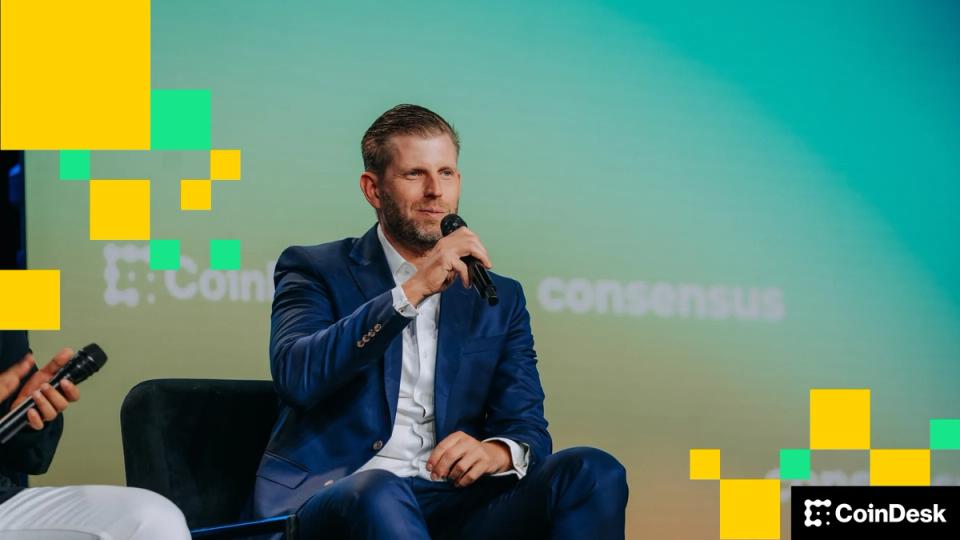
“We built World Liberty Financial to open up decentralized finance to the world,” said Eric Trump, a co-founder of the company. “With today’s announcement, we are now expanding this access to tokenized real estate.”
Qualified accredited investors will receive a fixed return and payments linked to loan performance. The sale will take place under US private placement rules, with restrictions on resale.
Plans to symbolize the Maldives resort were revealed in November. The resort, developed by DarGlobal in partnership with the Trump Organization, is expected to include about 100 beach and overwater villas and reach completion by 2030. In October, Eric Trump said on CoinDesk TV that WLFI planned to tokenize a new real estate project.
The latest announcement focuses on who will handle the mechanics. Securitize will oversee the issuance and compliance of tokens representing interests in a development loan associated with the project.
While tokenization of traditional assets like stocks and funds has gained attention from Wall Street firms, real estate represents a smaller portion of the $25 billion tokenized asset market. Proponents argue that blockchain rails can streamline property owner registrations and settlement, but patchy regulation and thin secondary trading pose a risk, an EY report noted last year.
The company’s WLFI token has fallen 6.6% in the past 24 hours to 11.63 cents.


