
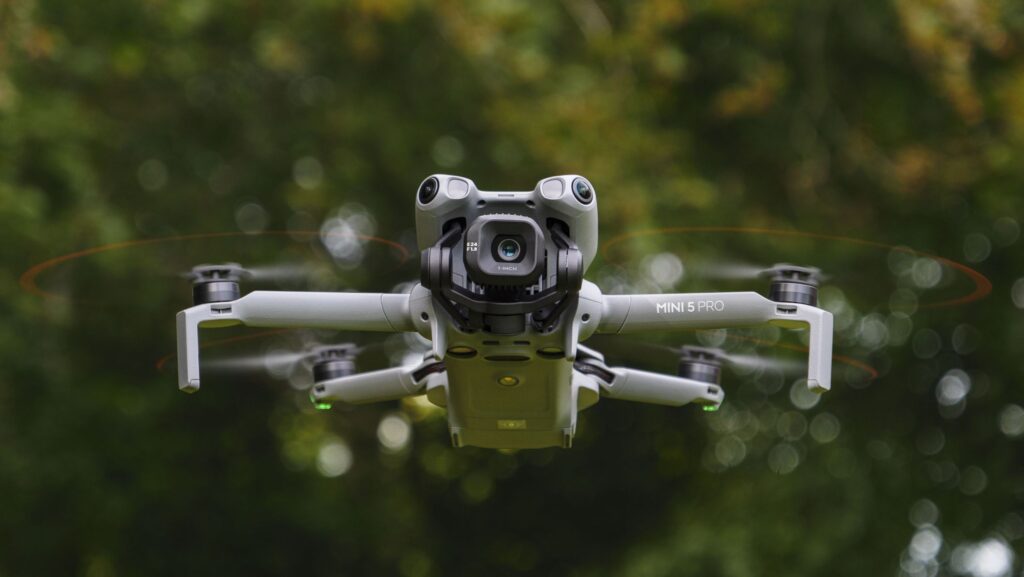
- A UK class badge system and remote ID requirements are here
- All camera drones of 100g and above must now have a Flyer ID
- The EU C-class rating will be aligned with UK equivalents – but only until the end of 2027
Drone legislation in the UK has just changed – from 1 January 2026, the UK Civil Aviation Authority has rolled out a major overhaul of drone regulations, introducing UK-specific class markings and gradual remote ID requirements that will affect everyone from casual hobbyists to professional operators.
There are two major changes. The one heading is introduction of British class marks – labels from UK0 to UK6 that show that a drone meets specific safety and technical standards. Similar to the EU’s C-class system, these markings will be mandatory for all new drones sold from 2026 onwards, with each class determining where and how you can fly.
A UK0 drone (under 250g) can fly over people but not crowds, while a UK1 (under 900g) comes with built-in safety features like geo-awareness. UK2 drones (under 4kg) are designed for “close to people” operations if you have an A2 Certificate of Competency, while UK3 and UK4 cover heavier aircraft and traditional model aircraft respectively.
If you already own a drone, don’t panic. Older drones (in other words, drones purchased before January 1, 2026) will remain perfectly legal to fly, but will operate under weight-based rules rather than class-based.
An older drone below 250g can still operate in the A1 subcategory (renamed “Over People” for clarity), while drones between 250g and 25kg are by default A3 (“Far From People”) unless you have an A2 certificate of competency.
The catch? Older drones won’t benefit from the reduced separation distances that class-branded models offer, so pilots who want maximum flexibility may want to upgrade.
Show me your ID
The other major change is Remote ID – essentially a digital license plate that broadcasts your drone’s identification and location data in flight.
From 1 January 2026 this will become mandatory for UK1, UK2, UK3, UK5 and UK6 drones, with the requirement being extended to all drones 100g or heavier with cameras (including older models) from 1 January 2028.
The system broadcasts your operator ID, aircraft serial number and real-time position data, but not video feeds or personal information. Operating a drone without a Remote ID after the applicable deadline will be punishable.
Registration limits have also been tightened. Previously, you needed a Flyer ID for drones of 250g and above; from 2026 it drops to 100g. Similarly, operator ID registration now applies to any drone 100g or heavier with a camera, or 250g or heavier regardless of camera.
It’s a small change, but one that brings more drone users into the formal registration system.
What this means for drone hobbyists
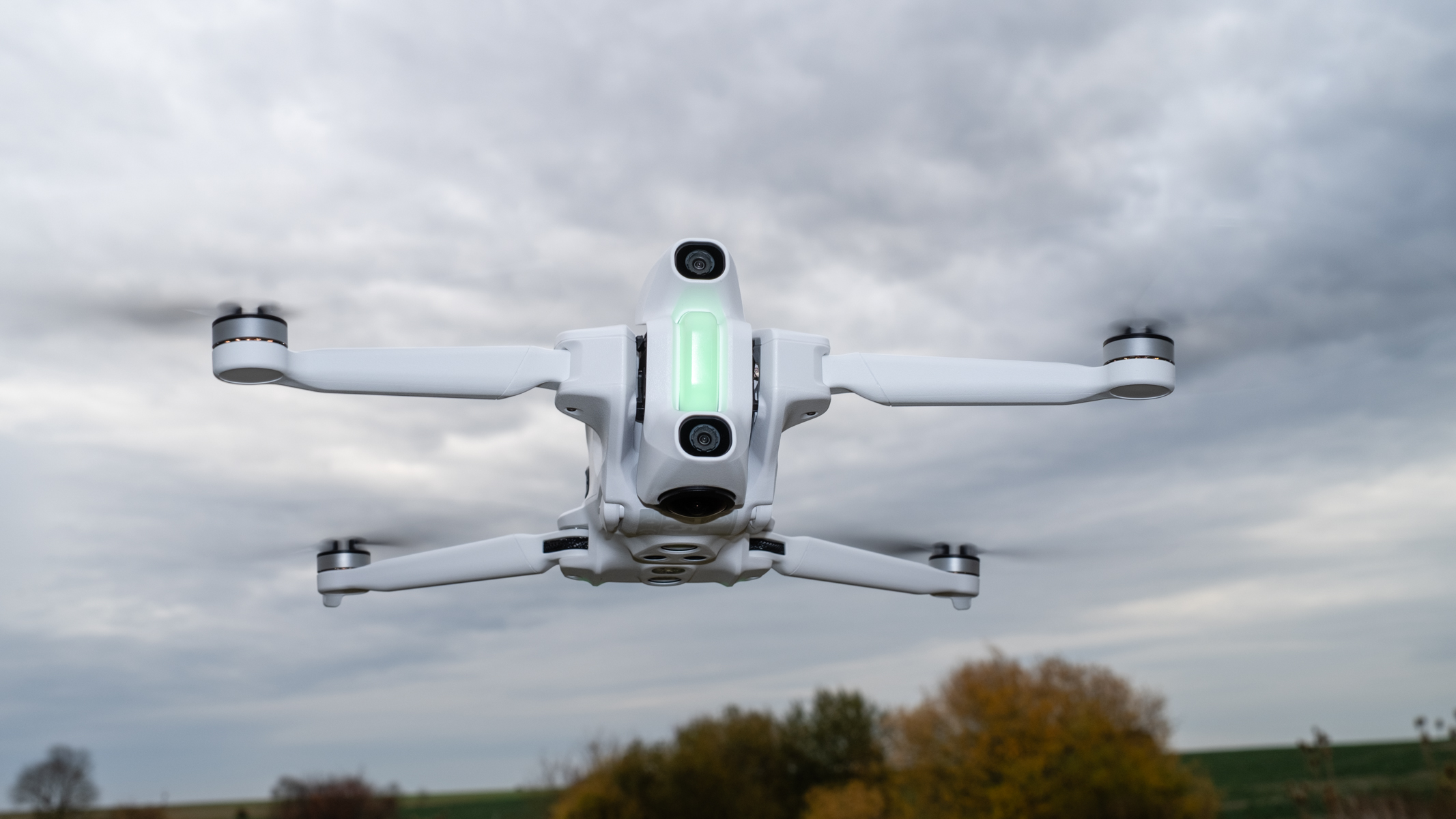
For the average recreational pilot flying a DJI Mini 4K or similar sub-250g drone, the practical impact of these legislative changes is relatively modest.
You must register from 100 gi instead of 250 g and activate Remote ID before 2028 if your drone has a camera. Otherwise, the basic freedoms remain unchanged – you can still fly over people (but not over crowds) and enjoy the same operational privileges you have today.
If you fly something heavier, the picture is a little more complicated. Older drones will default to the more restrictive A3 subcategory, unless you have obtained an A2 certificate of competency, in which case sub-2kg drones can operate in A2 with a 50-metre distance from uninvolved humans. To access the closer distances offered by UK2 class-marked drones – 30 meters standard, or just five meters in low-speed mode – you’ll eventually need to upgrade to a class-marked model.
There is a grace period built in, fortunately. EU C-class drones will continue to be recognized as equivalent to their UK counterparts until 31 December 2027, meaning a C1 drone from DJI or another manufacturer will be treated as UK1 until that date.
This means, for example, that the C1-rated DJI Air 3S will be subject to fewer flight restrictions, as it will drop from a 250g-plus drone to a UK1-rated drone – at least until the end of 2027. It gives the market time to adapt and manufacturers time to bring UK certified products to market.
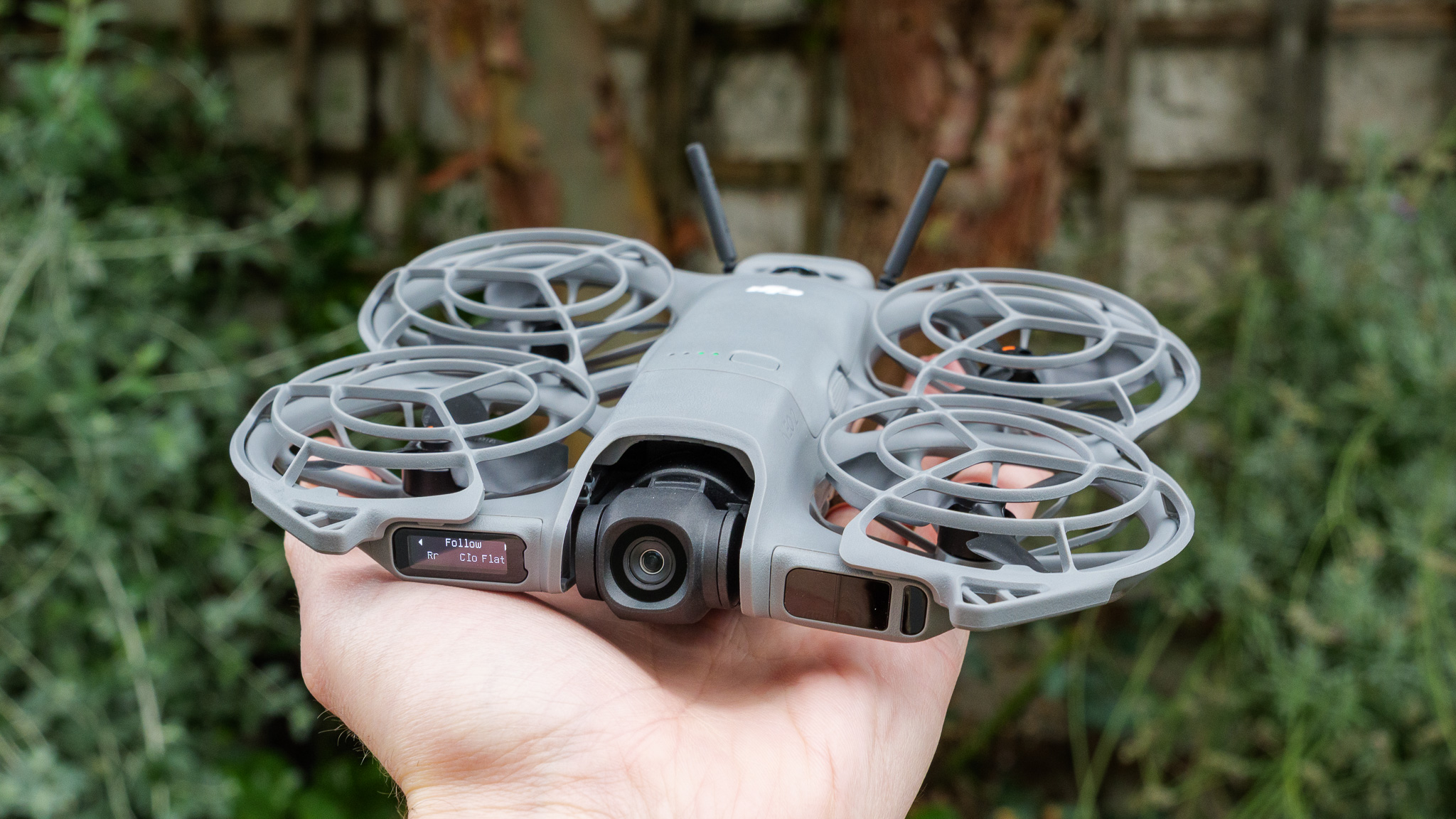
One final requirement to note: Starting in 2026, all drones flown at night must carry a flashing green light that is visible to others and helps distinguish them from manned aircraft.
The CAA positions all of this as an evolution of the existing rules rather than a drastic overhaul. Kevin Woolsey, head of remotely piloted aircraft systems at the UK Civil Aviation Authority, said the changes are “an important step in creating a future-proof regulatory framework”, while enabling the sector to grow and innovate.
For UK-based hobbyists, the message appears to be: your current drone remains legal, but greater accountability through Remote ID and registration is required. Fortunately, this appears to be balanced by greater freedom through the introduction of UK-specific class-marked aircraft.
Follow TechRadar on Google News and add us as a preferred source to get our expert news, reviews and opinions in your feeds. Be sure to click the Follow button!
And of course you can too follow TechRadar on TikTok for news, reviews, video unboxings, and get regular updates from us on WhatsApp also.


