
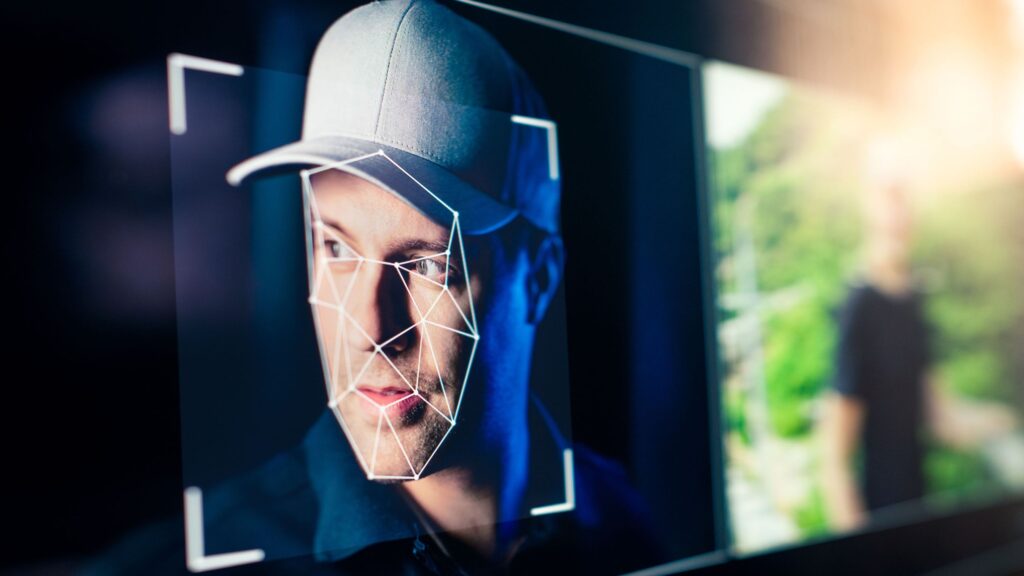
- Deepfakes are increasingly tricking users into scams and scams
- AI-powered attacks are now involved in 16% of breaches
- Spotting fakes requires you to spot facial/sound errors and urgent requests for money
Deepfakes, the technology that uses artificial intelligence (AI) to synthesize realistic audio, video and images of real people, have improved to the point where even alert people can be fooled with relative ease.
By creating multimedia that shows celebrities, politicians or technology leaders saying things they didn’t say or doing things they never did, Internet fraudsters succeeded in getting people to authorize fraudulent transfers or getting innocent people to “invest” in fake projects on fake investment platforms. In some cases, they even succeeded in creating a fake emergency (such as a car accident or hijacking attempt) that caused family members to rush to make payments.
These days, 16% of all breaches involve AI-powered attacks (according to IBM data), with phishing and deepfakes among the most commonly cited methods, claims Danny Mitchell, cybersecurity writer at Heimdal Security — and after digging deep into the growing scam technique, he discovered that there’s still a deep way to find, and figure out, that he still has. TechRadar Pro.
The article continues below
Four actionable steps to detect a deepfake
According to Mitchell, one of the ways to spot a deepfake is to watch for unnatural facial movements or blinking.
“Deepfake videos can struggle with the subtle mechanics of human expression,” Mitchell writes. “Look for blurred facial edges, inconsistent blinking, or expressions that don’t match the emotion being conveyed.”
He also argues that the sound can sometimes be a bit off in deepfake videos. AI-generated voices can carry a faint flatness or an unusual rhythm, while background noise can sound artificial.
Also, deepfake videos often have inconsistent lip movements, as synchronization between speech and lips is often imperfect. This is especially visible at higher speech rates.
That’s why it’s about spotting deepfakes for pixel hunting. But there are other ways to identify a fake, and that is to pay attention to the content of the message. Mitchell says that urgent requests for money or sensitive information that pressure users to act quickly are the usual red flags that users should be aware of.
The best antivirus for all budgets
Follow TechRadar on Google News and add us as a preferred source to get our expert news, reviews and opinions in your feeds. Be sure to click the Follow button!
And of course you can too follow TechRadar on TikTok for news, reviews, video unboxings, and get regular updates from us on WhatsApp also.


