
LAHORE:
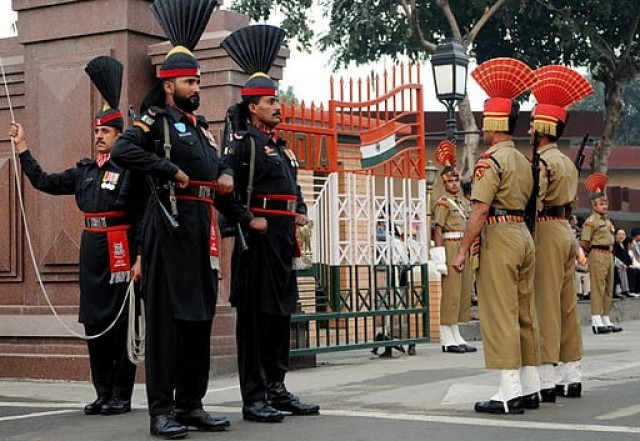
The only functional land crossing between Pakistan and India, the Wagah border, remained closed or partially operational amid bilateral tensions over the past year, greatly affecting travel, trade, pilgrimage and people-to-people contacts.
Daily flag lowering ceremonies continued early in the year. But in April, a major security incident in Pulwama triggered a sharp escalation, leading to the suspension of visa facilities, restricted diplomatic contacts and closure of the Wagah-Atari border.
In response, Pakistan tightened its visa policy for Indian citizens and suspended movement through the Wagah border. By the end of April, the crossing was effectively closed. Tensions escalated further in May when India launched missile strikes against various areas in Pakistan.
Brief but intense military clashes between the nuclear-armed neighbors ensued from 7 to 10 May. Pakistan termed the attacks as an act of open aggression and carried out effective defensive operations.
Throughout 2025, no formal dialogue process took place between the two countries. Decisions on visas, trade and border management remained stalled, affecting Wagah border operations.
The Kartarpur corridor also remained closed during the year.
The border closures disrupted tourism, family visits, weddings and cultural exchanges. Tourist arrivals, which had been stable in the first quarter, fell to zero after the clashes in May. Overall, 2025 saw an approximately 80 percent drop in visitors to Wagah compared to previous years. While Independence Day parades were held on both sides in August, attendance remained limited.
Pilgrimages were also affected. On January 5, 102 Pakistani pilgrims visited India to attend the Urs of Khawaja Moinuddin Chishti. On April 12, India issued visas to 188 Pakistani pilgrims for the Urs of Amir Khusro.
Pakistan issued visas to 6,700 Indian Sikh pilgrims for Baisakhi celebrations in April and later received 2,100 Indian pilgrims for Baba Guru Nanak’s 556th birth anniversary in November.
Limited exchanges of prisoners and return of convicts continued for humanitarian reasons.


