
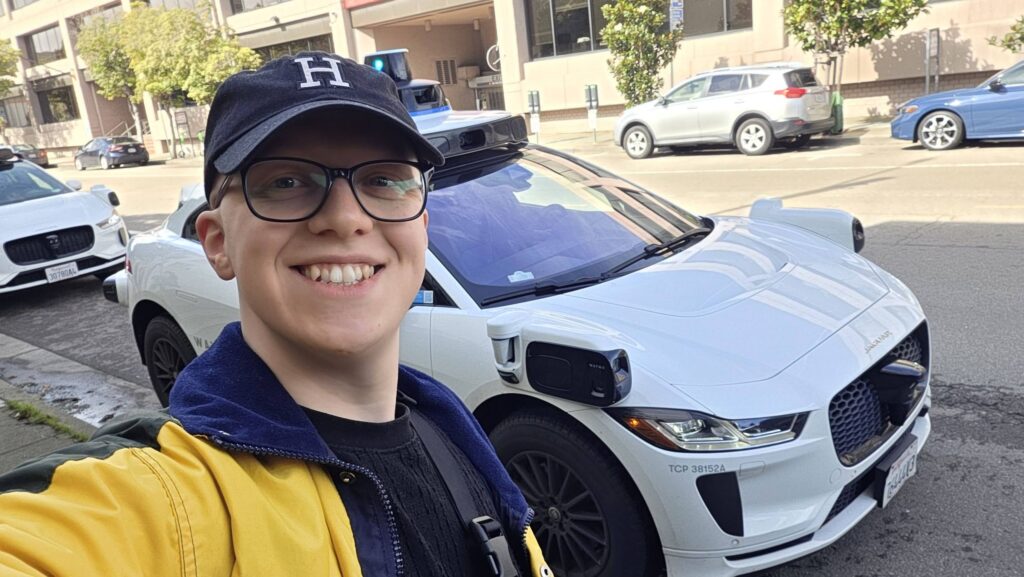
Waymo’s driverless taxis are coming to London, starting with a pilot this month (April 2026), with a full launch in September, but what does this mean for the UK capital?
Will the city’s notoriously difficult-to-drive streets become a chaotic mess of robot carnage? Well, hopefully not – in fact, if the London experience is anything like the Waymos I’ve driven in San Francisco, it could be the Uber replacement you’ve been waiting for.
These robocabs might even make London’s streets a bit safer.
The article continues below
Waymo has been running its roboaxis for years and as of March 2026 has 3,000 vehicles in its fleet – so it knows how to make the rider experience smooth.
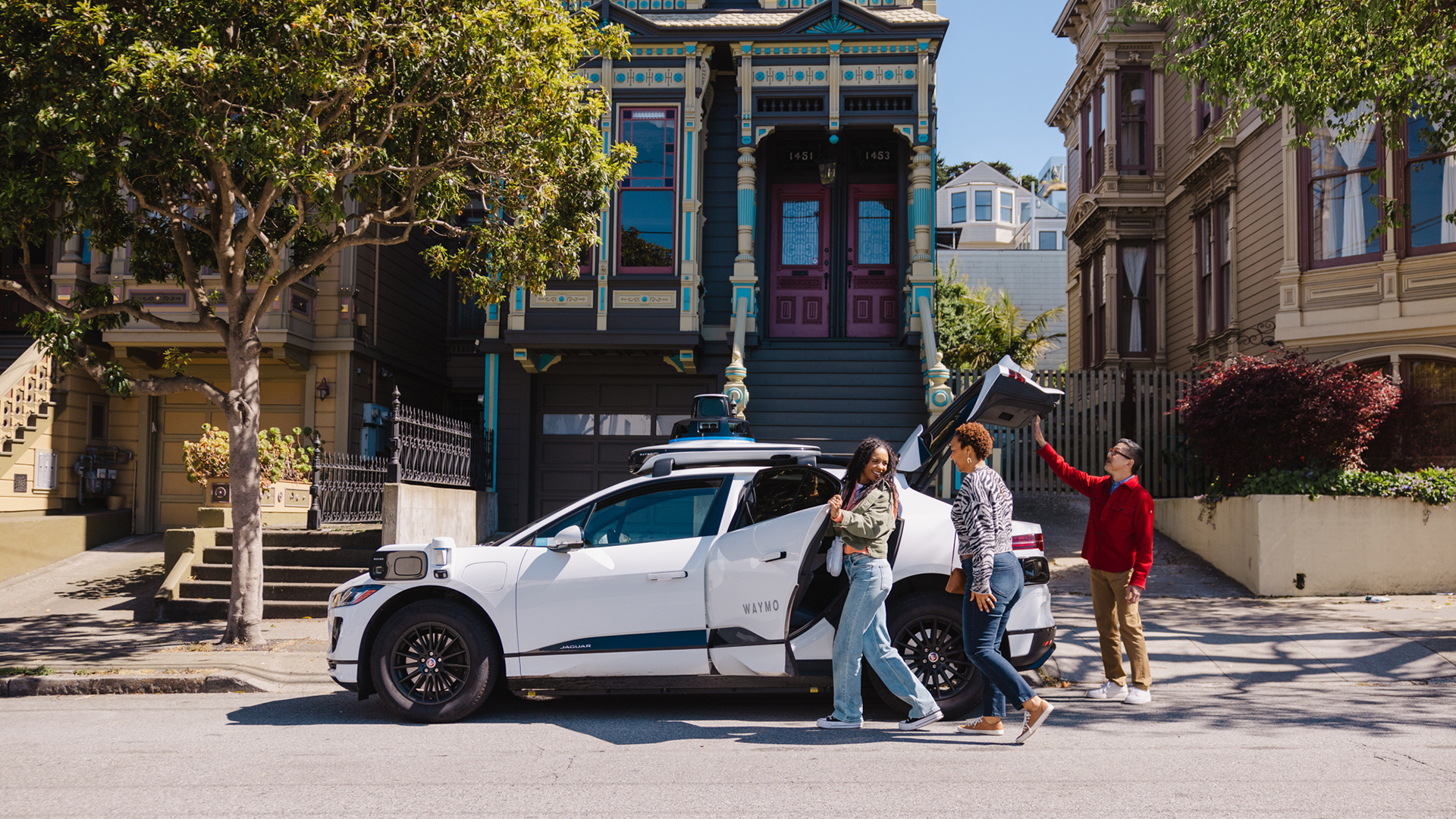
The Waymo app is essentially the same as Uber or Lyft; you choose where you want to go and be picked up from, request a ride and wait for your car to arrive.
In some ways, I’ve found Waymo easier because when the car arrives, it flashes your initials on top of the vehicle — meaning you don’t have to do the awkward dance of cross-checking license plate numbers.
To unlock the car, press a button in the app so no random person can get in before you. When everyone is inside and wearing their seat belts, you just press a button in the car to unfasten it.
When you arrive at your destination, Waymo will notify you and park in a safe location. It will also provide some safety tips, like checking for traffic before you open your door to the road – yes, it’s obvious, but if you’re coming from a party or a long day at work, a safety reminder is handy to ease the mental strain.
It’s easy, but is Waymo safe?
The whole user experience is amazingly smooth, and that also applies to the ride.
Driving is inherently risky — riskier than many of us realize — but according to Waymo itself, the company’s vehicles have 91% “fewer serious injuries or worse crashes,” 83% “fewer airbag collisions,” and 82% “fewer accidents causing personal injury” than regular human drivers.
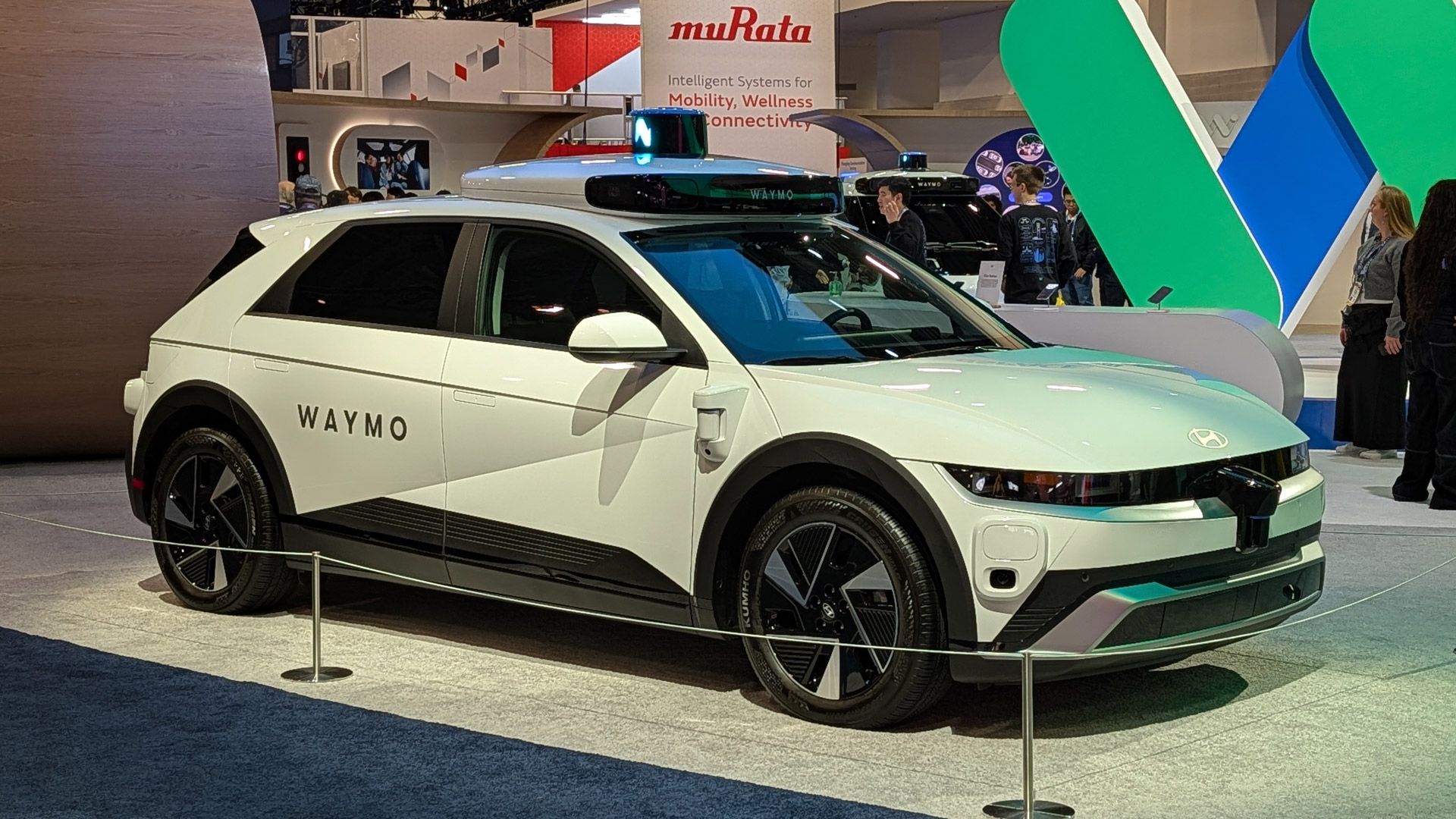
This is all thanks to the tri-sensor technology used by Waymo cars. They rely on cameras, radar and LiDAR to create an incredibly accurate 360-degree map of everything around the vehicle – including pedestrians, obstacles, other cars, cyclists, trams, road signs, pretty much everything.
That’s a heck of a lot more data and understanding than we humans can provide with just our two eyes, and we also have to contend with a few blind spots while driving. So it’s no wonder Waymo is much safer.
Now, you might see some driverless vehicles have worse safety records, but that tends to be for rivals that rely solely on cameras and AI. Cameras alone are not yet as accurate as a system with LiDAR and radar, as the technology appears to be more prone to failure due to environmental interference – for example, cameras, like our eyes, can struggle in fog, whereas the triple sensor setup does not.
From my own experience, I felt completely safe inside the Waymos I drove – the driverless car drove smoothly, merged with the right balance of caution and confidence, and kept to the speed limit.
What about my privacy?
Finally, let’s get into privacy. In some ways, Waymo is more private than a regular Uber or cab, since while the vehicle has microphones, the company says they’re only on when you’re talking to support — otherwise they’re turned off.
However, there are internal cameras on at all times inside the car’s cabin – with social media full of stories of people who were unaware of it.
Remember, other people have to use these taxis, and if Waymo catches you doing things you shouldn’t be — including trying to drive the car — you’ll get in trouble, which could result in your account being penalized or suspended entirely. So don’t be weird.
Treat it like a driver is in the car with you and I’m sure your rides will be smooth.
Follow TechRadar on Google News and add us as a preferred source to get our expert news, reviews and opinions in your feeds. Be sure to click the Follow button!
And of course you can too follow TechRadar on TikTok for news, reviews, video unboxings, and get regular updates from us on WhatsApp also.


