US-Israeli strikes on Iran have killed several senior political and military figures and hit the Islamic Republic’s core leadership as the regional war disrupts energy markets and global shipping.
Below are some of the most prominent figures killed:
Supreme leader
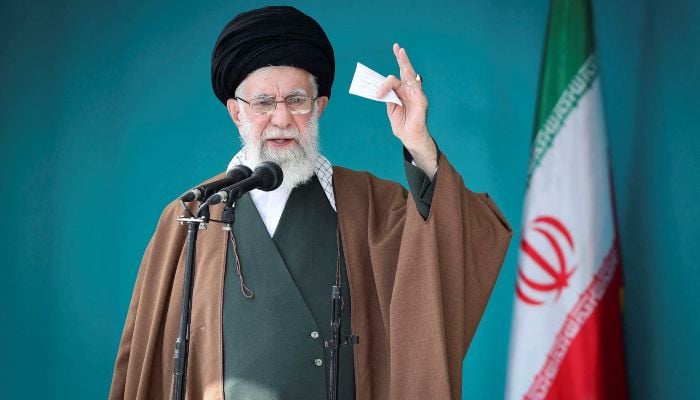
Ayatollah Ali Khamenei, who as supreme leader since 1989 built an iron grip on Iran while entrenching hostility to the US and Israel, was martyred at the age of 86 in a US-Israeli airstrike on his compound on February 28.
His more than three-decade rule was marked by consolidating power through the security apparatus and expanding Iran’s regional influence, even as tensions over its nuclear program repeatedly brought it into confrontation with the West.
Senior officials
Ali Larijani, secretary of the Supreme National Security Council and a veteran power broker, was assassinated at the age of 67 in a US-Israeli airstrike in the Pardis area on March 17, along with his son and one of his deputies, Iranian media reported.
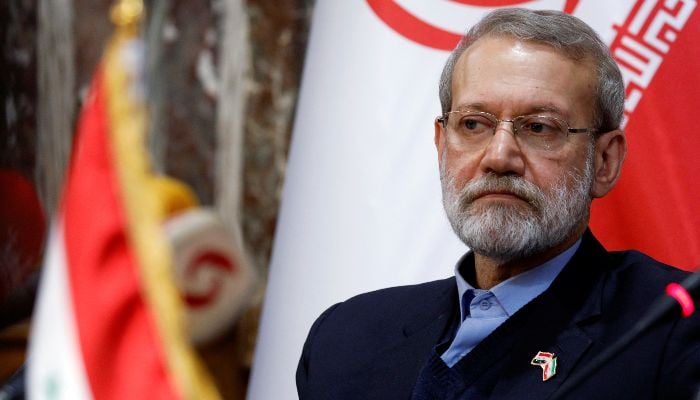
As a former head of the Revolutionary Guard and nuclear negotiator, he was a close adviser to the slain supreme leader and played an important role in shaping Iran’s security and foreign policy.
Esmail Khatib, Iran’s intelligence minister, was eliminated in an Israeli strike on March 18. A hardline cleric and politician, he worked in and was mentored by Ayatollah Ali Khamenei’s office before heading the civilian intelligence apparatus in August 2021.
Ali Shamkhani, a close adviser to Khamenei and a key figure in Iran’s security and nuclear policy, was killed in US-Israeli strikes on Tehran on February 28.
He had previously survived an attack on his home during the 12-day June war between Israel and Iran.
Top military commanders
Mohammad Pakpour, the commander-in-chief of the IRGC, Iran’s most powerful military force, was killed in the attacks in Tehran on February 28, Iranian state media said.
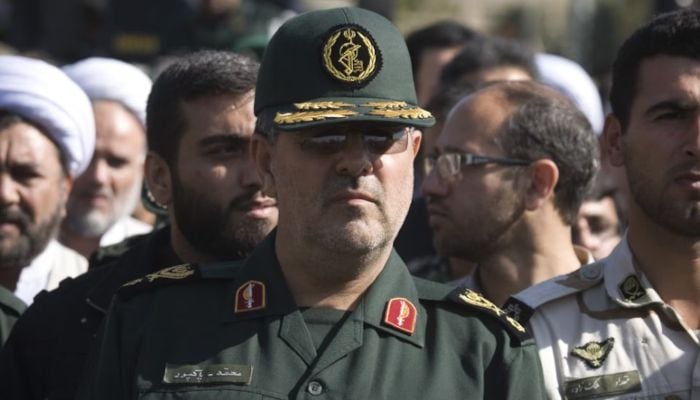
He rose through the ranks to lead the Revolutionary Guard after his predecessor Hossein Salami was eliminated in the 12-day war in June.
Aziz Nasirzadeh, Iran’s defense minister and a career air force officer, was martyred in the same wave of strikes targeting senior leaders in Tehran on February 28, according to sources. He played a key role in military planning and defense policy.
Abdolrahim Mousavi, chief of staff of Iran’s armed forces, was killed in the attacks on February 28 during what Iranian media said was a meeting of senior leaders in Tehran. He was responsible for coordinating Iran’s military departments and overseeing conventional forces.
Gholamreza Soleimani, commander of Iran’s Basij paramilitary force, was eliminated in US-Israeli strikes on March 17, according to Iranian state media. As a senior Revolutionary Guard officer, he led the force central to internal security and the enforcement of state authority.
Behnam Rezaei, the Revolutionary Guard’s naval intelligence chief, was martyred in an Israeli strike in the port city of Bandar Abbas on March 26, according to the Israeli military, which said he was responsible for gathering intelligence on regional countries.