
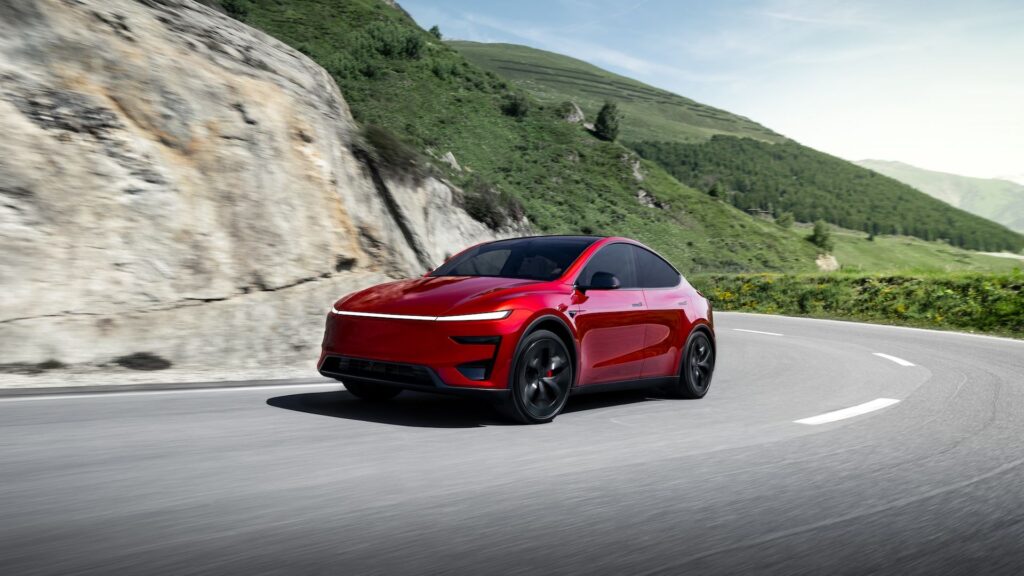
- The UK government is pushing for the £3,750 EV incentive
- It claims 100,000 chargers will be installed in ‘the coming years’
- But the campaign misses a few key points
The UK government has launched a new advertising campaign across TV, radio and digital outlets to highlight the benefits of switching to electric propulsion.
Suggesting there has “never been a better time to switch”, the Department for Transport (DfT) is pushing the £3,750 Electric Car Grant and says over 50,000 drivers have already saved money on their shiny new electric cars.
The ‘Get the Electric Feeling’ campaign also points out that charging will continue to get easier as the government rolls out a further 100,000 new local public chargers “over the coming years”, as well as future planning permission reforms making it easier for residents without private driveways to install home chargers.
But despite the many positives pushed in the narrative, including the potential to save up to £1,400 on annual fuel and maintenance costs, it fails to address a number of barriers to entry that still worry potential buyers to this day.
First, while the public charging network is improving, it is not all-encompassing, with rural or cut-off areas typically the last to receive the infrastructure required to drive an electric car without owning a charging socket at home.
It also means that route planning to any remote location requires the kind of care and attention that fossil fuel car drivers simply don’t have to worry about.
Chargers, chargers everywhere
Second, despite planned planning permission reforms to make it easier for those who don’t own a driveway to install a charger, large sections of the population still rent – and therefore have very little say over what can or cannot be installed.
Likewise, there are properties that fall under covenants or are set back from a road or where the car is parked, like the house I live in, which makes it impossible to install a private charger unless you invest in a dangerously long extension cord.
Many local councils have aimed to combat this by increasing the number of lampposts and kerbside chargers, but they are still a rare sight outside of Britain’s biggest cities.
As a result, my family relies on the public charging network to drive a Kia EV6, which is readily available near me, but terribly expensive.
Much of the focus in my area (and further afield) has been on upgrading existing outlets to DC fast chargers to keep up with the trend of manufacturers installing larger battery packs. This is great for reducing the time it takes to charge, but the cost per kilowatt is painful.
A road trip to visit family in our car, for example, costs twice as much as an efficient diesel or petrol car, especially in winter when the advertised range drops significantly.
The UK government’s £1,400 a year on running and maintenance costs is clearly based on owners being able to charge at home, because that’s just not possible if you charge regularly at expensive public outlets, where companies sometimes charge over £1 per charge. kilowatts.
If you own a Kia EV9, it will cost almost £100 to cover between 270 and 300 miles before another stop is required.
Electric cars cost more and more
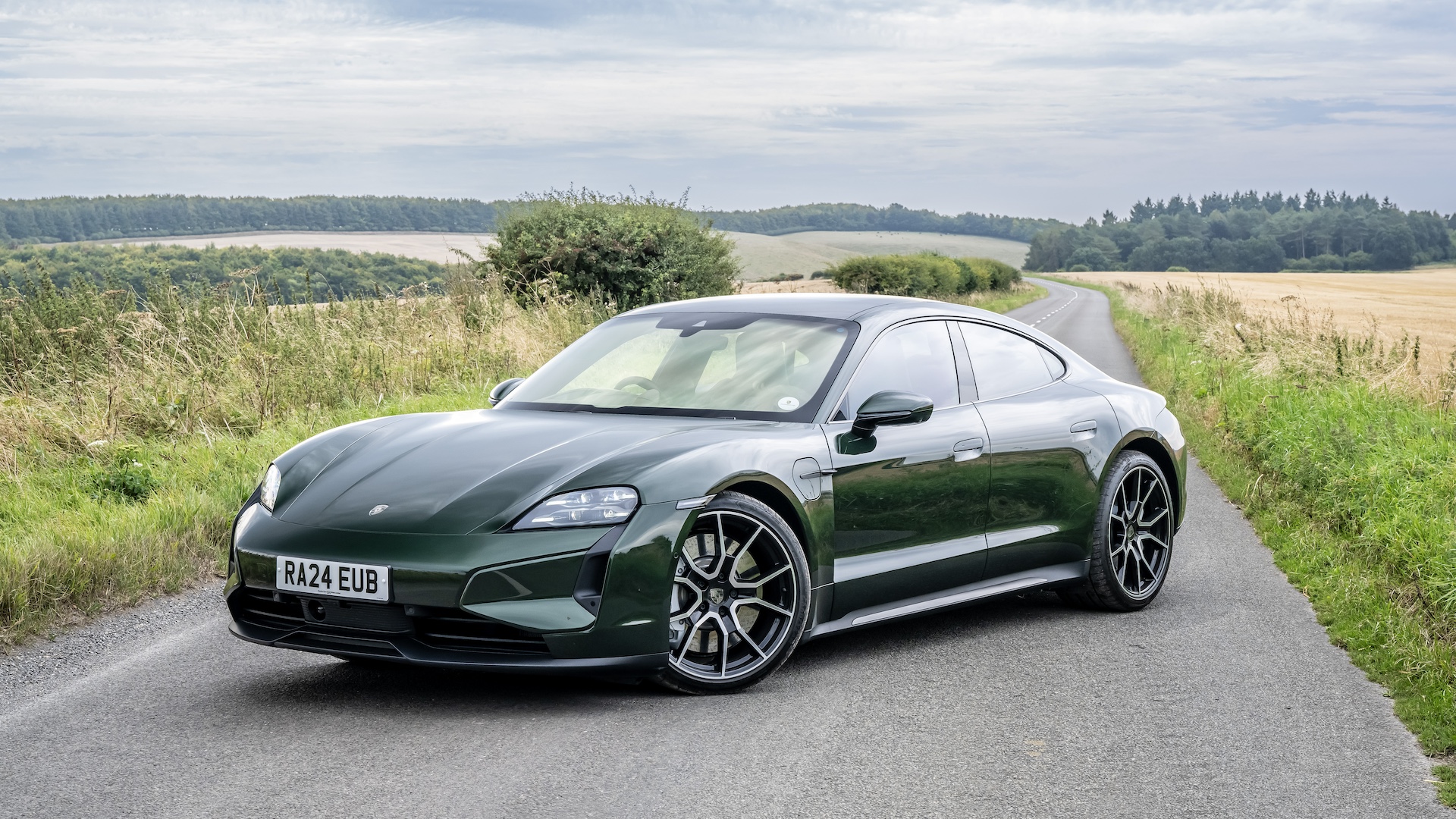
Despite a push by manufacturers to reduce the cost of EVs and a financial incentive from the government, they are still relatively expensive, compounded by poor residual values. There aren’t many electric vehicles on the used market that retain value like their gasoline or hybrid counterparts.
This fact is particularly worrying for those who have invested in premium or luxury electric cars, such as the Porsche Taycan or the Audi e-tron GT. You only have to scan the classified ads to realize that the owners have been lost very of money.
Finally, another limiting factor is choice, as not all car manufacturers currently offer a pure-electric version of the entire range. Brands such as Hyundai, Kia and Peugeot have done particularly stellar work in this field, with the latter offering everything from the compact 208 to the E-Traveller van in an electrified version, but the same cannot be said for all.
Plus, even with the French marque’s impressive array of choices, customers of the family-friendly E-Rifter MPV or E-Traveller van will have to settle for 199 miles and 219 miles of range, respectively.
You can expect these numbers to drop dramatically, especially in colder climates, to the point where E-Rifter owners may only be able to go about 100 miles before the vehicle needs to be recharged.
While this is perfectly fine for owners and families who regularly make short trips during the week, along with the ability to plug in and charge cheaply at home, it’s no good for someone who commutes or travels longer.
Ian Plummer, Chief Customer Officer at Autotrader, said of the UK Government’s latest campaign that “reinforcing the benefits of electric car ownership is key to ensuring consideration translates into purchase” and that “electric cars are a fantastic option for many drivers”, which is true.
But they’re still not perfect for everyone, and anyone stuck with high mileage on a regular basis will attest to both the cost of the public charging network and its availability.
As EVs rise in popularity, some of the most popular charging locations (highway gas stations, etc.) are becoming increasingly congested, only adding to the issue of range anxiety that has plagued the technology.
Follow TechRadar on Google News and add us as a preferred source to get our expert news, reviews and opinions in your feeds. Be sure to click the Follow button!
And of course you can also follow TechRadar on YouTube and TikTok for news, reviews, video unboxings, and get regular updates from us on WhatsApp also.


