
50 years with Apple
We’re celebrating Apple’s 50th birthday with a week of content about the tech giant. It covers everything from personal recollections from our writers to the greatest – and worst – Apple gadgets as voted by you, and you can read it all on our 50 Years of Apple page.
This week marks Apple’s 50th anniversary, and the company has been a staple of the tech landscape for much of that time.
We’ve already rounded up Apple’s worst gadgets of all time (and, on balance, the best gadgets of the last half century). But the moments below represent the biggest lapses in judgment across software, services and confusing product decisions.
The article continues below
We’re big fans of Apple when it gets things right – which happens more often than not – but even the most die-hard fan has to admit that the company has dropped some huge, and sometimes hilarious, tech bangers…
1. MobileMe — or should it be ‘MobileMess’?
Before iCloud, there was MobileMe, which itself came from the likes of iTools and .Mac. This paid service acted much like what we expect from cloud services today, offering cloud storage that worked across mail, contacts, calendars and more.
Unfortunately, it quickly earned the nickname “MobileMess” because it was too unreliable to be used by pretty much everyone. Syncing was unreliable and often dropped out just when you needed access to your most important files, and many users complained about missing emails.
This embarrassing launch infuriated Steve Jobs, who reportedly gathered the development team and told them, “You have tarnished Apple’s reputation. You should hate each other for letting each other down.”
After debuting in 2008, it was taken offline in 2012 and replaced with the much more reliable iCloud. If you’ve ever cursed an iCloud sync problem, be lucky you’re not using MobileMe instead.
2. The ‘hockey puck’ mouse
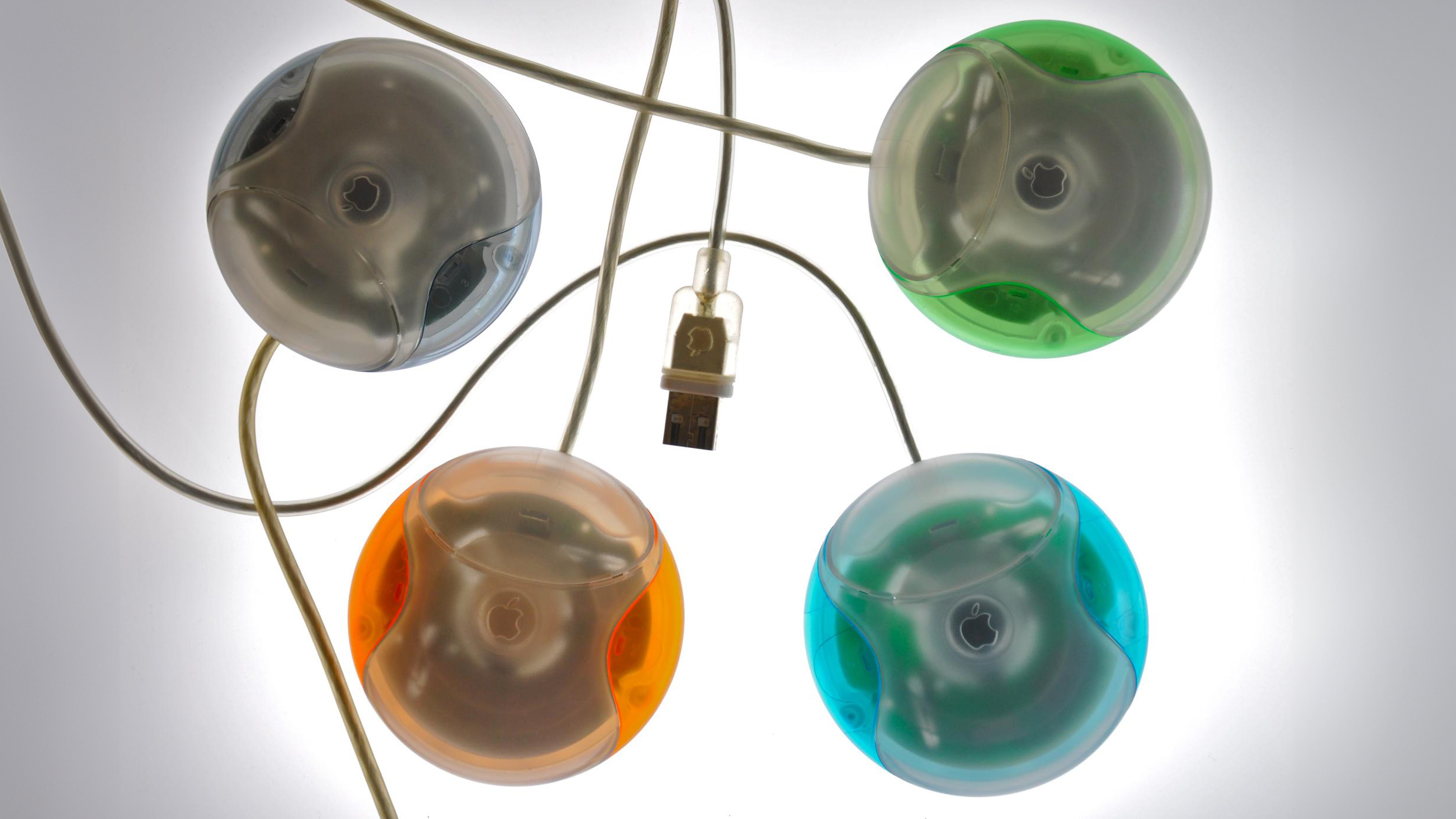
Have you ever seen an iMac G3? They have a great retro quality today, but back in 1998 they were the future – a colorful look at the future of computing.
The problem was that the mouse that came with it, the Apple USB mouse, was circular. If you’ve ever used a mouse (and there’s a very good chance you, discerning TechRadar reader, have), you’ll know that holding onto a circular mouse is hardly conducive to a strong grip or getting much done.
Combine that with a short cable and you have a well-rounded recipe for hand cramping. The worst part? Apple put up with it too two years.
3. The big Apple Maps fumble

While Apple Maps has become a very reliable mapping service, its launch was legendary — and not for good reasons.
Apple was keen to remove Google Maps from its devices and began working on its own maps app. It launched in September 2012 and almost everything that could go wrong did. It was an Apple Park-sized fumble.
Incorrect location information, unreliable directions and Apple’s inability to read space when it comes to geopolitical tensions were all criticized by users. Incredibly, new CEO Tim Cook actually told users to watch rivals while iOS Maps was being fixed.
“While we improve Maps, you can try alternatives by downloading map apps from the App Store like Bing, MapQuest and Waze, or use Google or Nokia Maps by going to their websites and creating an icon on your home screen for their web app,” he said at the time in an open letter on Apple’s website.
Although Apple Maps is now a much better product – some would argue, even better than Google Maps – for some it will always be tainted by this launch.
4. Ping’s rise and fall quickly
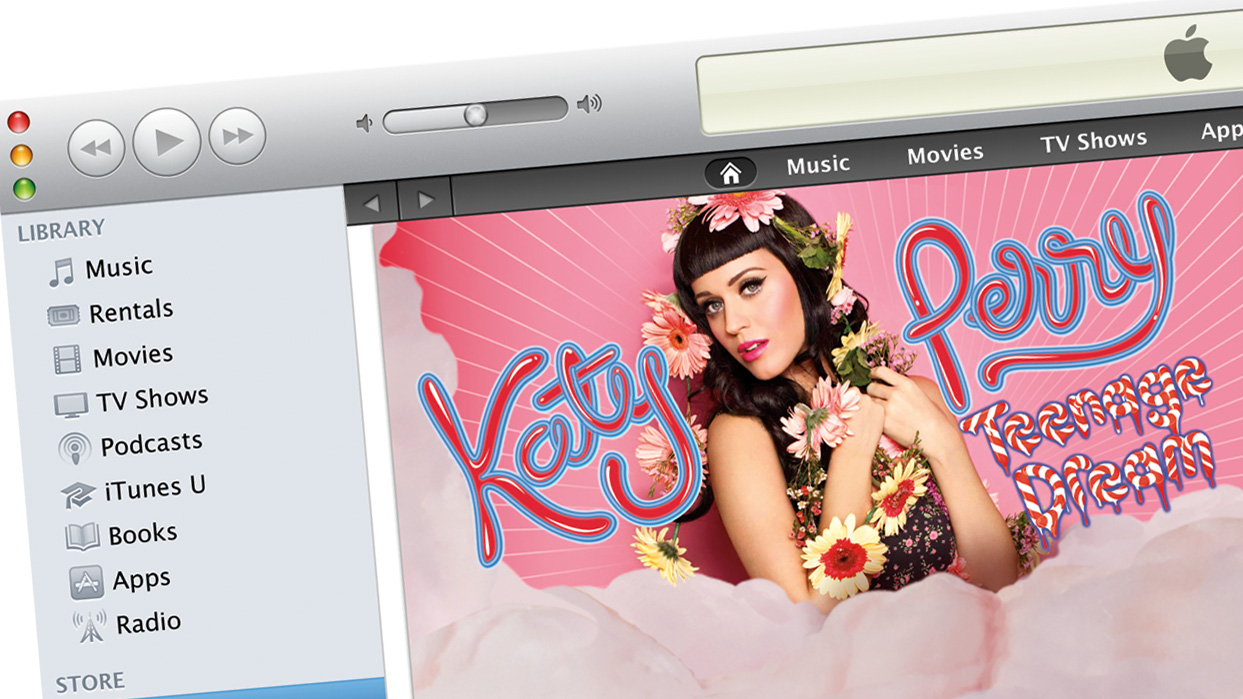
Whether you were a die-hard iTunes or used another service entirely, there’s a good chance that the removal of iTunes Ping was something you didn’t even realize happened.
Released by Steve Jobs as a crossover between Facebook, Twitter and iTunes, the idea was to make it easier to share music with your friends and family, see what they bought and was available across iPhone and iPod Touch.
Unfortunately, Ping was short-lived: Apple released it in September 2010, and it was gone just two years later.
Tim Cook, who didn’t take over as CEO until after Ping launched, summed up Ping’s lackluster reception with characteristic understatement. “We tried Ping and I think the customer voted and said this is not something I want to put a lot of energy into… Are we going to kill it? I don’t know. We’ll look at it,” he said.
A month later, Apple actually looked into it – and pulled the plug on poor Ping.
5. The unforgettable U2 blunder
Do you like U2? Back in September 2014, it didn’t matter what your answer was to that question, because Apple sent Bono and Co’s Songs of innocence album directly into your iTunes library.
All 500 million iTunes subscribers found the album waiting for them, whether they wanted it or not. For some, it caused storage space issues, and it wasn’t very easy to remove either.
It also led to deeper conversations about the value of music and raised suggestions that U2 had devalued the art form. Just wait until you get to streaming services guys…
6. The butterfly keyboard fiasco
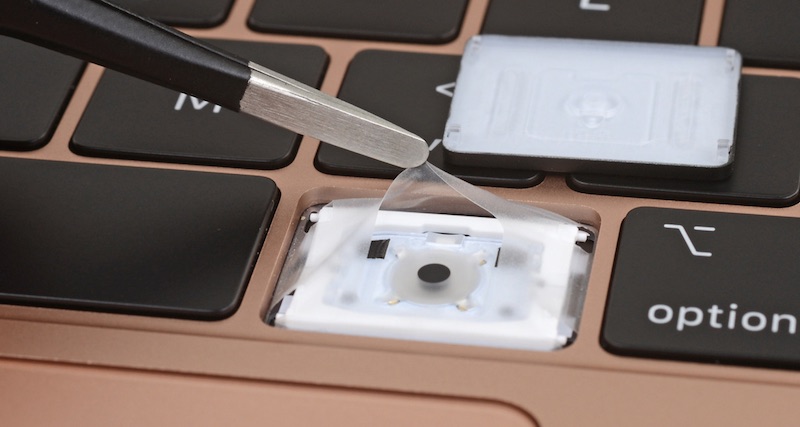
Nothing sums up Apple’s focus on form over function — and the occasional lapses that can create — better than the Butterfly keyboard fiasco of 2015.
The MacBook 12-inch already grabbed the wrong kind of headlines for switching USB to USB-C (which was still a new technology at the time), but the keyboard’s ‘butterfly’ hinge system was a big problem for Apple – especially when it also came to MacBook Pro and MacBook Air models.
From repeating keys to keys simply coming loose while in use, it’s all cost Apple millions to fix. The free repair program expired in 2024, so if your keyboard fails now, you’re out of luck.
7. The iTunes phone that made iPods looks amazing
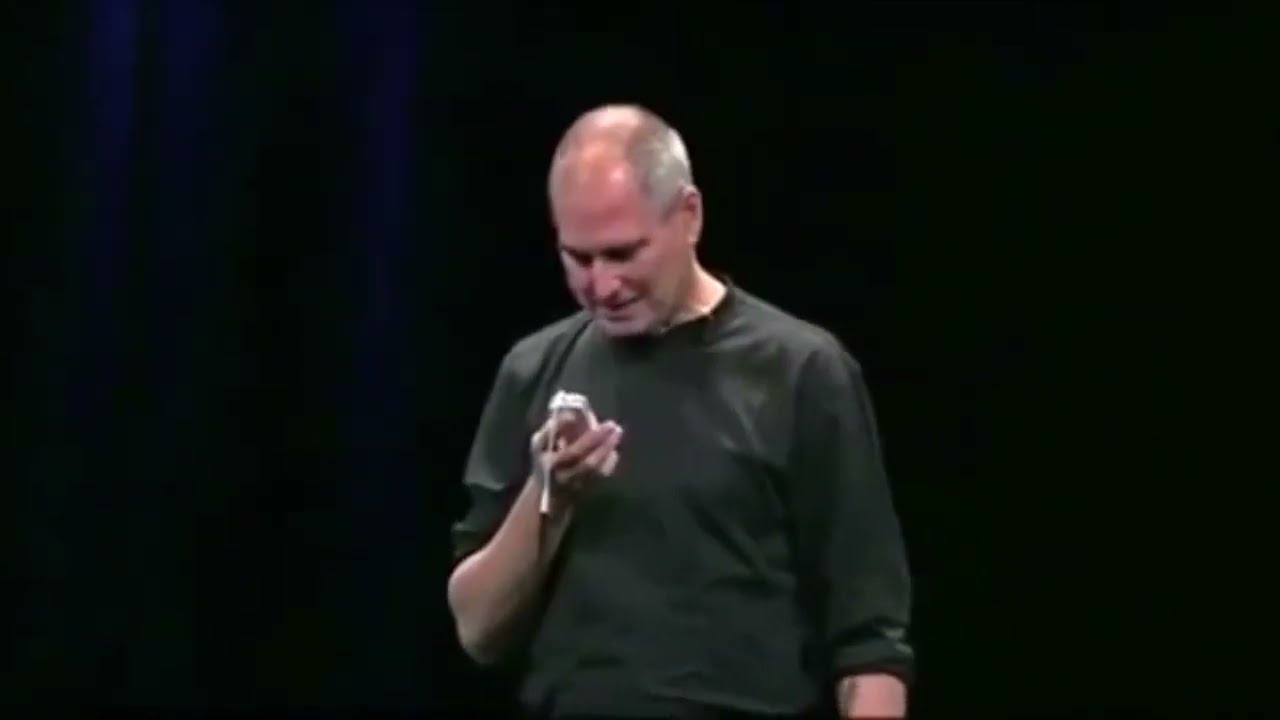
Look at
If you were looking for a way to take your iTunes library on the go back in 2005, your only option outside of Apple’s own iPod was the Motorola ROKR E1.
Not heard of it? We don’t blame you. Billed as the phone that lets you take your iTunes library anywhere, there were two major drawbacks.
Firstly, its USB 1.1 speeds meant moving files to and from the device was glacially slow. The other problem was that it would only allow users to download 100 songs to it to protect iPod sales.
It’s not exactly a good selling point – and it’s incredible to think that just 15 months after the video above, Apple would introduce the iPhone and immediately make all ‘music phones’ look like ancient history.
8. Where is the charging port?
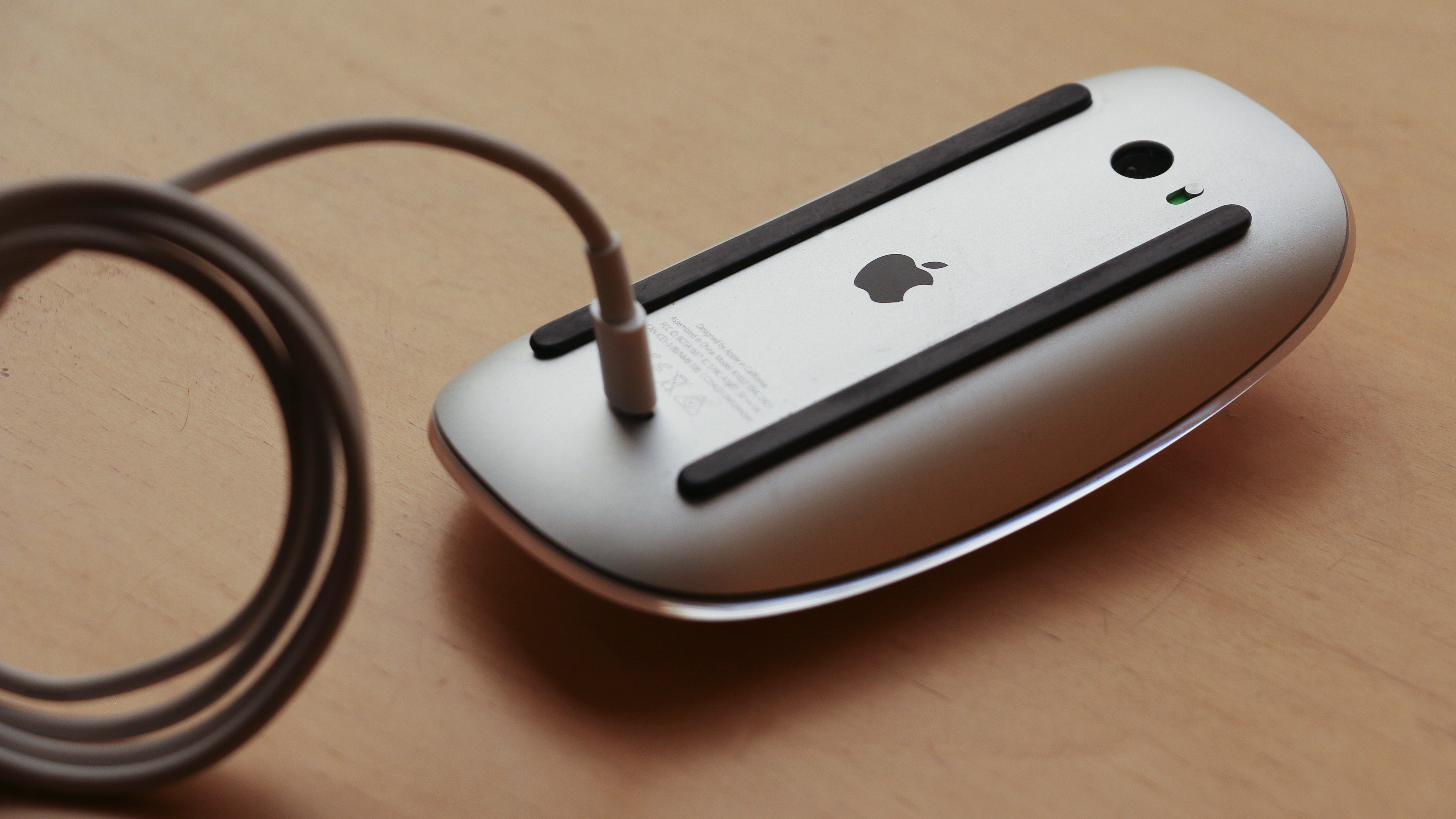
Every now and then Apple makes a decision that feels like it could have been avoided by asking just one person outside the design room what they thought.
One of them was to bury the Mac Mini power button under the otherwise fantastic mini PC. But the most famous example is the Magic Mouse (second generation). On the top half, it’s everything Apple does so well – it’s a great mouse, comfortable in the hand and stylish, while supporting smooth gestures. On the bottom? The charging port.
This means that if you want to use the computer while charging the mouse (hardly an unreasonable case), you’ll need to plug it in and use an alternate mouse while it’s on.
Apple then stunned the computing world by doubling down on that decision with a redesigned Magic Mouse in 2024, a rare example of a consumer product also being a flawless piece of rage bait.
9. RIP AirPower, gone too soon
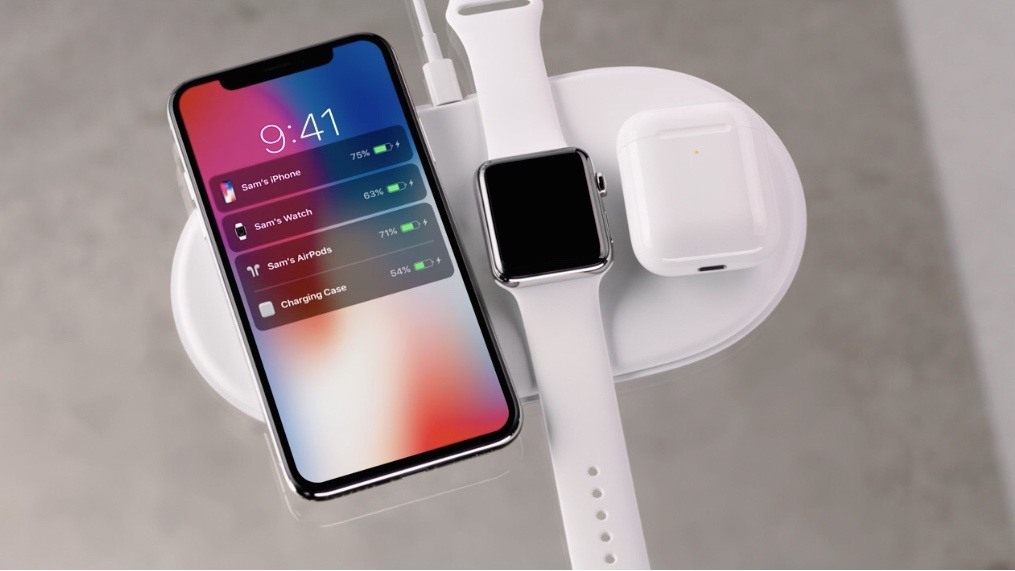
Apple’s ‘Let’s Meet at Us’ September 2017 event would be remembered for many things, including the iPhone X – which is a good thing, since one of the announced products never actually shipped.
The iPhone 8 and 8 Plus were overshadowed by the unveiling of the iPhone X, the first iPhone to ditch the home button and go for an all-screen display. Its $999 price tag got a lot of attention, but so did AirPower.
A charging mat designed to charge your phone, AirPods, and Apple Watch all at once, no matter where you put them, was almost a no-brainer for a company that released all three in the same year.
Unfortunately, manufacturing issues with the prototype meant that AirPower never made it to market, with some reports suggesting that Apple’s early devices struggled to dissipate heat and also melted the plastic – ugh.
10. Antennagate, or how to dig yourself a bigger hole
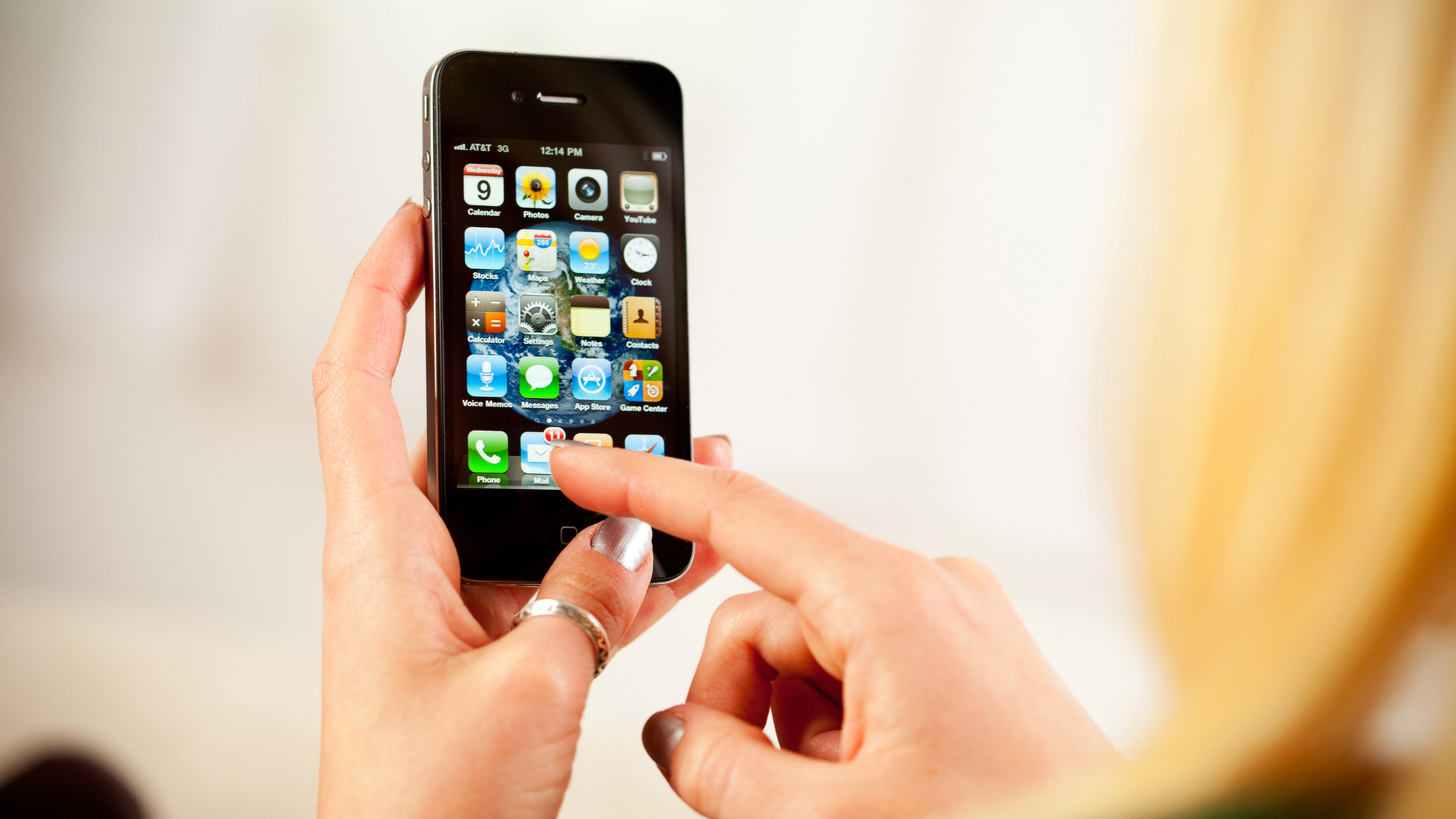
The iPhone 4 debuted in 2010 with a new design that made your iPhone 3GS look crazy by comparison, but the new metal frame that served as the antenna held a secret—or, more specifically, those who held it would find that its signal would drop out.
Apple initially claimed that users were somehow ‘holding it wrong’. Well, Apple didn’t say that outright, but it did say in a misguided statement: “Gripping any cell phone will result in some attenuation of its antenna performance, with some places being worse than others depending on the placement of the antennas. This is a reality for any wireless phone. If you ever experience this on your iPhone 4, avoid gripping it by the lower left corner of the metal band on one side, or just use one side in the black corner or one side. of many available cases.”
It quickly became a widespread problem enough to prompt Apple to eventually issue a formal apology and offer free bumpers to affected users.
Fortunately, the iPhone 4S, which launched the next year, shared the same visual design but got the antenna issue fixed.
11. Apple Intelligence or lack thereof
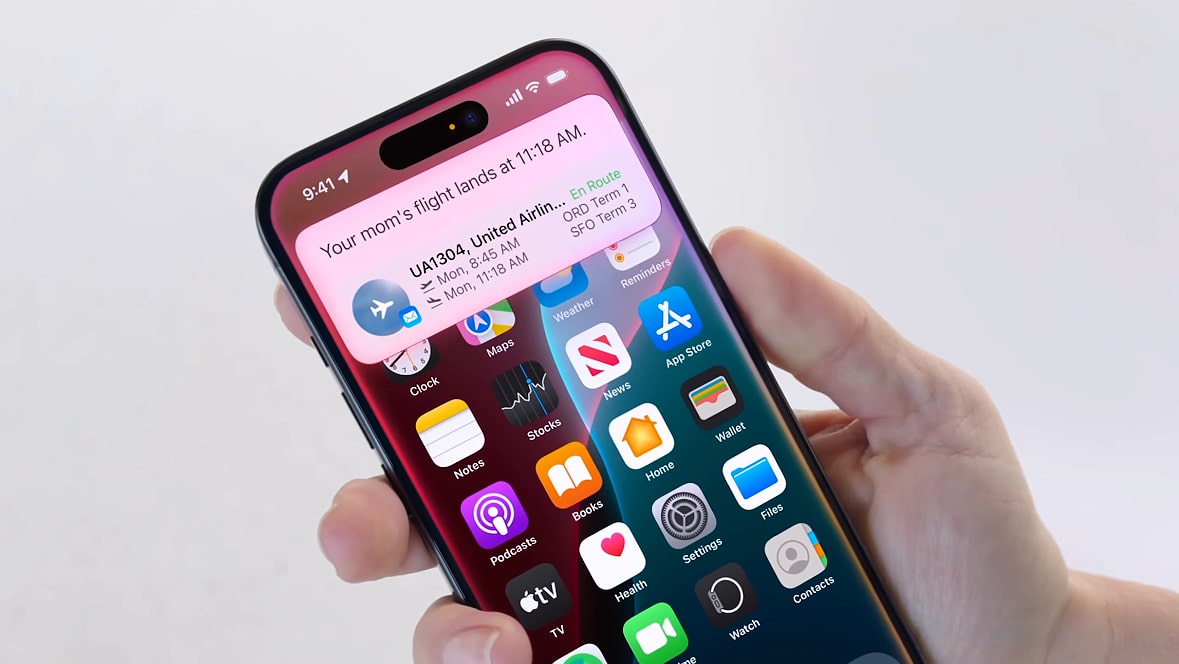
With the rest of the tech world frothing at the mouth for AI products and services, Apple was seemingly caught in a standing ovation and struggling to catch up.
Siri was behind the curve (to put it politely) when pitted against other assistants, and while Apple had partnered with ChatGPT to address some issues, it was clear that a quantum leap was needed to catch up.
Fortunately, this is what was promised at WWDC 2024, showing how Siri could read your emails to extract context and more. The trouble? Many of the features were not delivered, and many still are not, nearly two years later.
The company faced lawsuits based on false advertising of the promised features and is now apparently working with Google Gemini to leave Siri to come close to what was promised.
Follow TechRadar on Google News and add us as a preferred source to get our expert news, reviews and opinions in your feeds. Be sure to click the Follow button!
And of course you can also follow TechRadar on YouTube and TikTok for news, reviews, video unboxings, and get regular updates from us on WhatsApp also.


