
Earlier this month, the government raised petrol and diesel prices by Rs 55 per liter citing the ongoing conflict between the US and Israel and Iran
Prime Minister Shehbaz Sharif has said that the government has once again rejected a fuel price hike summary and will absorb the burden of Rs 56 billion itself.
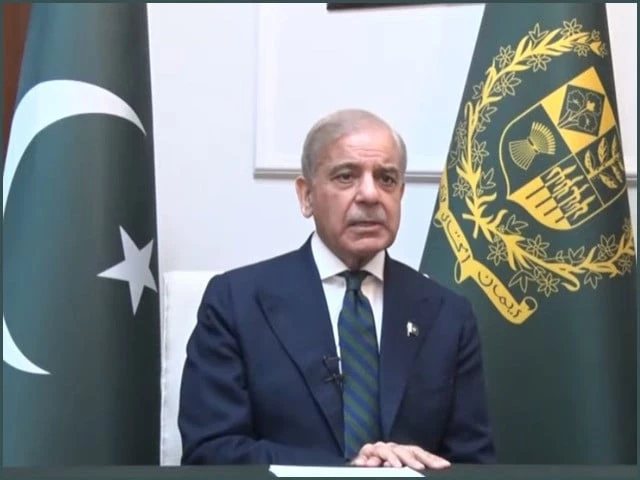
He addresses the nation about the ongoing Middle East conflict that has sparked a global fuel crisis.
Earlier this month, the government sharply increased diesel and petrol prices by Rs55 per litre, or 20 percent, citing the ongoing conflict between the US and Israel and Iran, which has disrupted global supply chains and pushed crude oil prices to a two-year high.
In response to the crisis, both federal and provincial governments have introduced a series of austerity measures. These include an extra weekly holiday, a reduction in free petrol allocations for ministers, restrictions on protocol vehicles and proposals to provide subsidized fuel for students.
Read: Government to absorb Rs.49/litre oil price hike
Last week, the government also approved a significant hike of Rs200 per liter in the fuel tax on high-octane fuel used in luxury cars, raising the total tax to Rs300 per liter and the price to Rs600 per litre.
Addressing the nation on Friday, the prime minister warned of a further rise in oil prices due to the war in the region, which has rocked the global economy.
“If the situation continues to deteriorate, the possibility of a further increase cannot be ruled out,” he said.
The Prime Minister said that prices had risen significantly again at the beginning of this week and that he had been advised to raise fuel prices once again. However, he added that he had decided to do so out of a sense of responsibility and in view of the impending Eidul Fitr.
He said the government had so far spent Rs69 billion to prevent a rise of Rs127 per liter in petrol prices and Rs252 per liter in high-speed diesel.
However, he added that this was not a sustainable solution, saying the government would absorb the burden as much as possible to protect the public and provide relief to the poor.


