
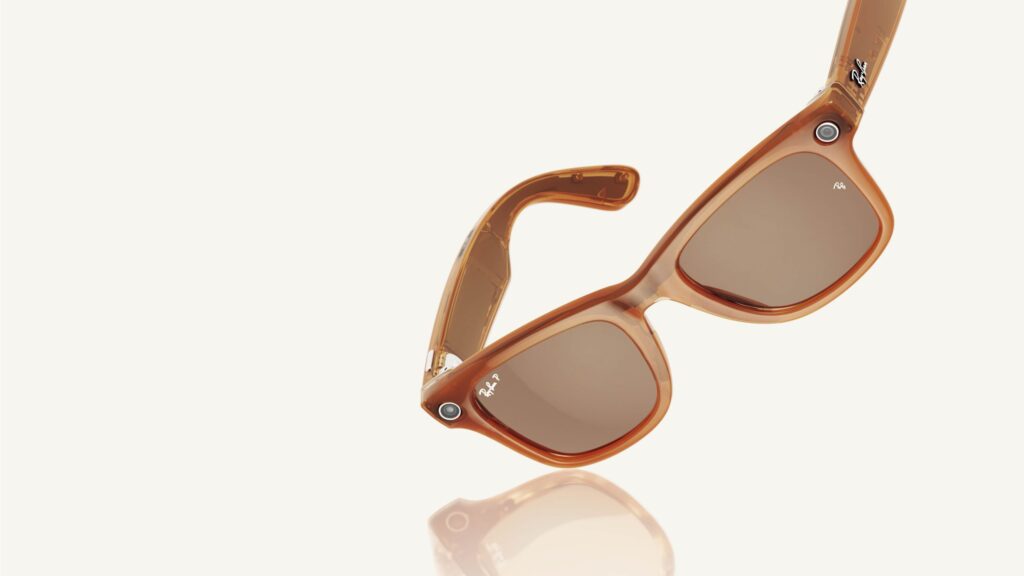
- Meta has been urged to scrap its rumored name tag feature
- In an open letter, privacy advocates have said the facial recognition technology is dangerous
- Meta hasn’t announced a name brand yet, but a statement suggests the feature may still be coming to Ray-Ban glasses
Over 70 organizations are asking Meta to cancel its controversial Name Tag AI glasses feature plans – fearing it could exceed the threat posed by stalkers and abusers.
Although it has yet to be officially announced, a report emerged last year suggesting the company wants to develop an always-on AI system with the ability to recognize people’s faces and other details from your life, like where you left your keys. The story was amplified earlier this year when The New York Times confirmed Meta’s rumours.
What’s more, the NYT report included a leaked Reality Labs memo that suggests Meta knows the tool is controversial, as it apparently plans to launch Name Tag “in a dynamic political environment where many civil society groups that we would expect to attack us would have their resources focused on other concerns.”
The article continues below
The document also highlighted possible plans to launch the tool at a conference for the blind to help promote it as an accessibility tool.
Despite some possible benefits of Name Tag, various organizations, including the ACLU (American Civil Liberties Union) and the Electronic Privacy Information Center, have signed an open letter urging Meta to protect the public’s privacy by never releasing Name Tag or a feature like it.
“Facial recognition technology built into unobtrusive consumer eyewear represents a serious threat to the privacy and civil liberties of every member of our society, and especially to historically marginalized and vulnerable groups,” the letter explains.
It added, “People should be able to go about their daily lives without fear of stalkers, fraudsters, abusers, federal agents and activists across the political spectrum quietly and invisibly verifying their identities and potentially matching their names with a wealth of readily available data about their habits, hobbies, behavior and relationships.”
In response, Meta issued a statement saying, “Our competitors offer these types of facial recognition products, we do not. If we were to release such a feature, we would take a very thoughtful approach before rolling anything out.”

The problem some might have with that answer is that Meta isn’t promising to never introduce facial recognition to its specs, just that it would do it the right way. However, this comes on the back of reports that Meta entrepreneurs are seeing a lot more of our AI smartglasses’ photos and videos than we might have realized.
This second era of smart glasses has so far managed to avoid the major privacy complaints that plagued Google Glass, but that has changed. If Meta, Google and even, possibly, Apple want things to go back in a more positive direction, they need to be careful and provide stronger guarantees that the public is taken seriously.
Smart glasses are still something of a novelty – fun, but arguably far less useful than our phones, smartwatches and earphones. If public backlash continues to grow, another decline in smart glasses is likely to follow — and I say this as someone who thinks the technology could be great and wants to see it flourish.
We just need to make sure that privacy protection is taken seriously. Otherwise, I imagine it won’t be long before governments or members of the public start taking action.
Follow TechRadar on Google News and add us as a preferred source to get our expert news, reviews and opinions in your feeds. Be sure to click the Follow button!
And of course you can also follow TechRadar on YouTube and TikTok for news, reviews, video unboxings, and get regular updates from us on WhatsApp also


