
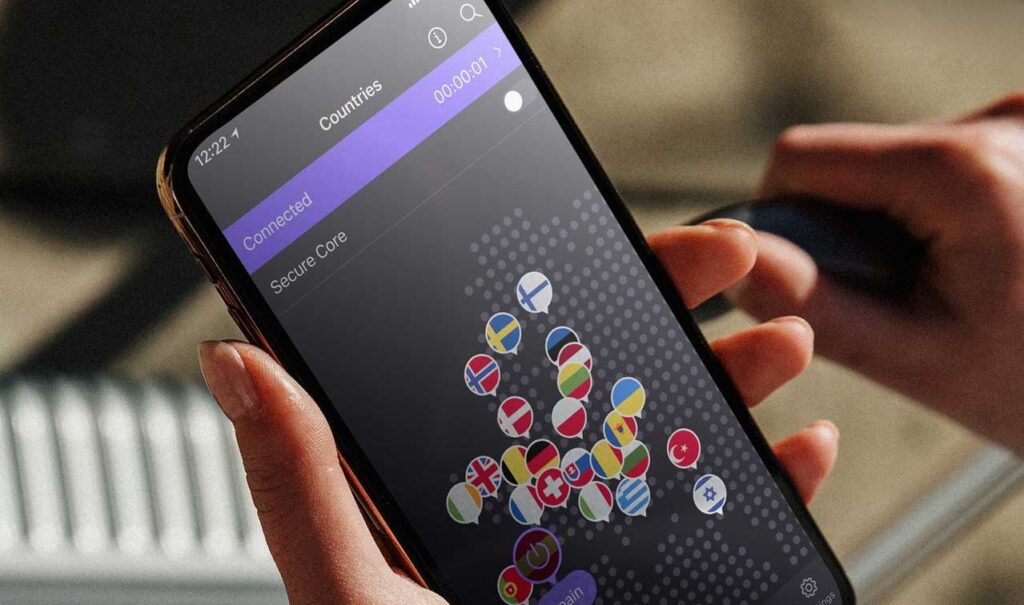
- Turkey’s BTK is preparing a VPN licensing system and a mobile “kid line” to limit minors’ access to violent content.
- The regulatory review follows consecutive school attacks in Sanliurfa and Kahramanmaras.
- Proton VPN’s daily sign-ups have doubled, and the provider says it will “never” log user data for authorities.
Demand for virtual private networks is rising in Turkey following reports that the government is preparing to restrict access to unauthorized VPN services.
That surge in interest comes as Turkish authorities draft a new set of digital security measures.
As originally reported by Türkiye Gazetesi and featured by Türkiye Today, the Information and Communications Technology Authority (BTK) has begun developing comprehensive regulations designed to limit minors’ exposure to violent digital content.
This follows consecutive school attacks in Sanliurfa and Kahramanmaras. Investigations into these incidents reportedly revealed that the perpetrators had been actively engaged in violent computer and mobile games, raising concerns about the influence of digital media on young people.
While the new framework is largely focused on children’s safety, it includes a controversial proposal to impose licensing requirements on VPN services.
Officials reportedly believe this will prevent minors from accessing blocked or inappropriate material. However, privacy advocates fear that it would essentially criminalize safe, anonymous Internet browsing for everyone in the country.
“Something We’ll Never Do”
If the proposed licensing rules are enforced, the Turkish government could soon restrict access to any VPN provider that refuses to monitor its users.
Reports indicate that Türkiye will soon only allow “authorized” VPNs in the country; the kind that logs usage and hands it over to the Turkish authorities, something we will never do. Now we are observing an increase in registrations originating in the region, double the normal rate. https://t.co/TxrjbDZw7818 April 2026
“Reports indicate that Türkiye will soon only allow ‘authorized’ VPNs in the country; the kind that log usage and hand it over to the Turkish authorities, something we will never do,” the company stated in its social media post. “Now we are observing an increase in registrations originating in the region, twice the normal rate.”
For a provider to be considered one of the best VPN services on the market, it is important to operate under a strict “no-logs” policy. This means that the VPN company does not track, record or store any information about the websites a user visits or the data they download.
By refusing to log usage, providers like Proton VPN ensure they have no data to hand over, even if legally requested by authorities.
The introduction of a “children’s line”
BTK’s regulatory oversight is not only aimed at VPN infrastructure. To further block digital access, authorities are reportedly planning to introduce a mandatory “child line” system for mobile users under the age of 18.
According to initial reports, this dedicated mobile subscription will enable clearer identification of a minor’s mobile usage. The system is designed to provide parents and authorities with “enhanced parental controls, including monitoring and content filtering features.”
By defining under-18 connections as a separate category, BTK aims to ensure that minors cannot bypass age-restricted firewalls on their smartphones.
While protecting minors from violent online content is a globally recognized challenge, the proposed solution forces privacy-conscious adults to choose between transferring their data to authorized, state-compliant channels or finding alternative routing methods to maintain a free and open Internet.


