
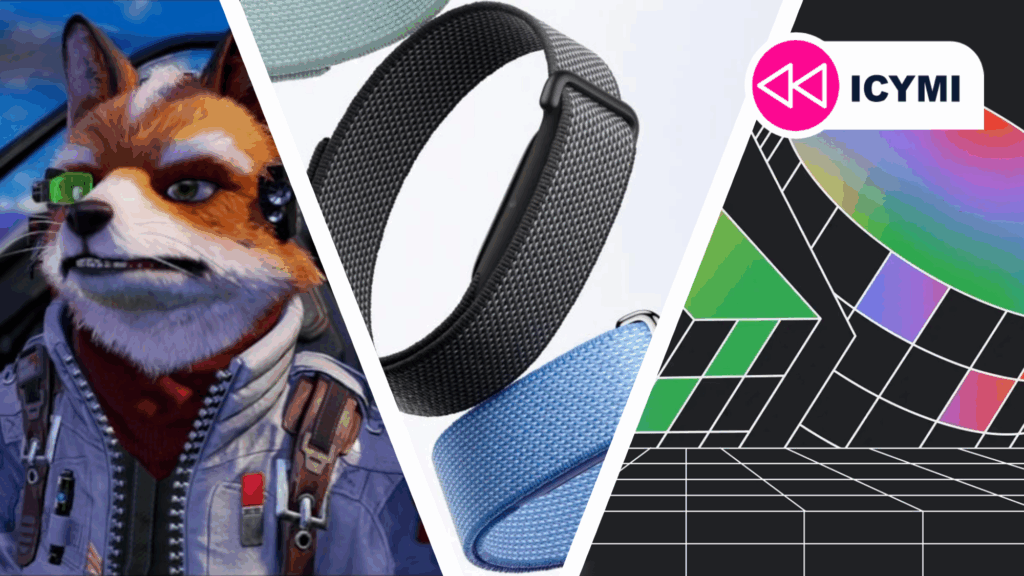
This week, Apple announced it’s set to pay out millions to iPhone users over its Siri AI promises, and Google unveiled a different kind of Fitbit.
To catch up on all that and more, scroll down to read our roundup of the seven biggest tech news of the week.
Before you catch up on this week’s tech news, why not test yourself on last week’s eight biggest stories to see how well you paid attention? Take the quiz below.

7. Google’s $3 ChromeOS USB sold out
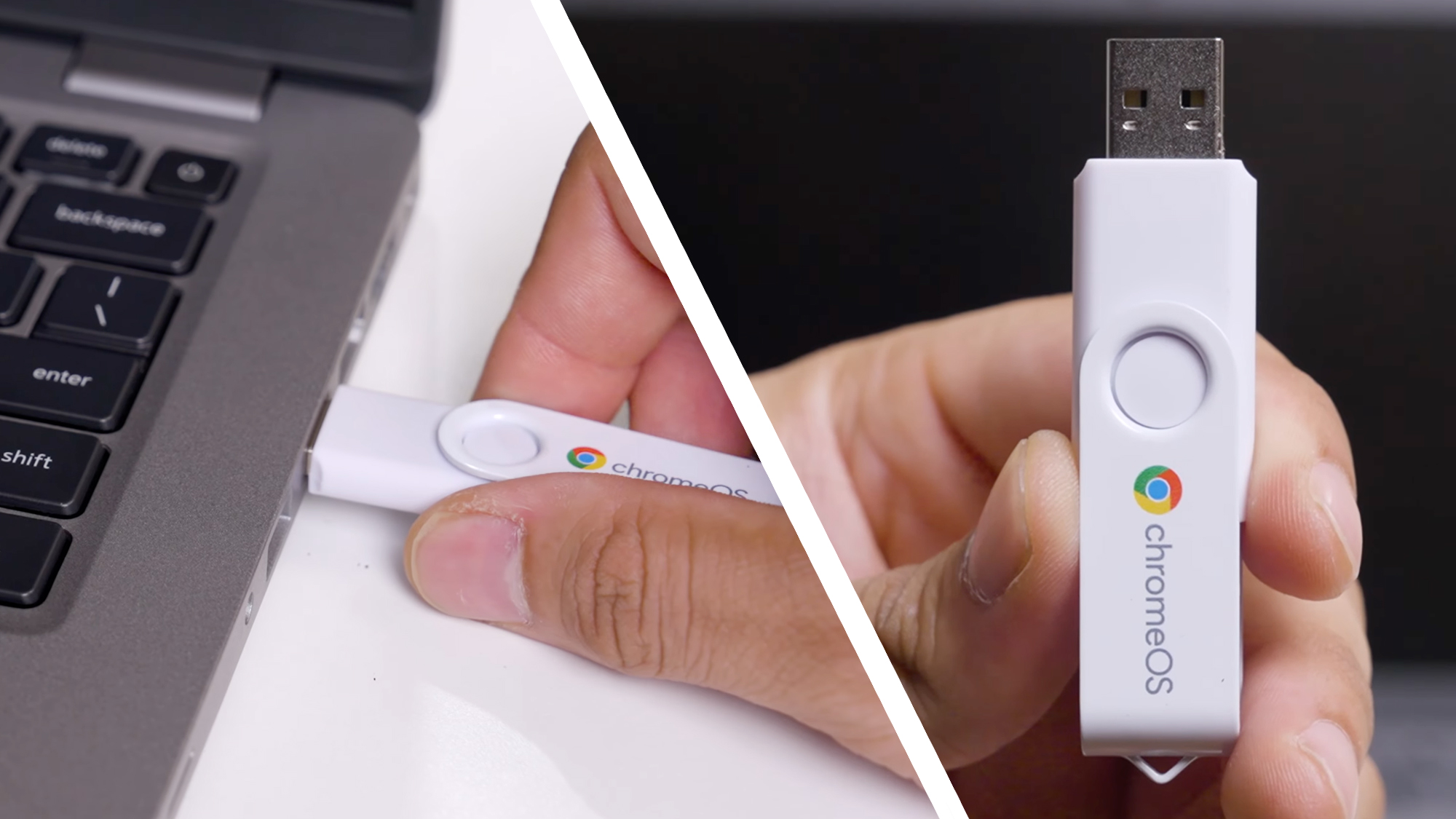
Last month, Google and the Back Market announced a USB stick that could convert many old laptops into a basic Chromebook in minutes.
This week the drive sold out, although a new batch of ChromeOS converters should be available soon.
The reason you might want to switch is that ChromeOS is much less demanding than Windows and macOS. Sure, it has some limitations when it comes to app selection, but if it means you can use your old laptop instead of having to buy a new one, that’s a big win.
So if you’re looking to revamp your old machine, take a look at ChromeOS Flex.
6. Third time’s the charm for Star Fox?

Japanese gaming giant Nintendo shocked us all with the sudden reveal of a new Star Fox for Switch 2… sort of. Simply titled Star Fox, the upcoming game is actually a remake of Star Fox 64, which was originally released for the Nintendo 64 back in 1997.
That game had already been remade for both Nintendo 3DS (as Star Fox 64 3D) and Wii U (with Star Fox Zero), and many fans expected a brand new entry to come next.
Still, it looks impressive with cutting-edge graphics, new character designs, and an exclusive competitive online battle mode. That’s on top of support for a host of Switch 2 features like GameShare and GameChat, not to mention Joy-Con 2 mouse controllers.
5. Google I/O-themed Android Show announced
Ahead of Google I/O – the company’s annual developer conference – we get The Android Show: I/O Edition, which should give us a good look at what’s in store for Android 17.
Last year, the Android Show included as a reference a look at Google’s Material 3 Expressive interface redesign, along with Gemini Live, Gemini across new devices like watches and TVs, and new safety and security tools.
This year, we expect the Android Show to showcase features such as a new Liquid Glass-like look, App Lock, and a motion assist feature to help reduce your motion sickness.
4. Wines came back?!
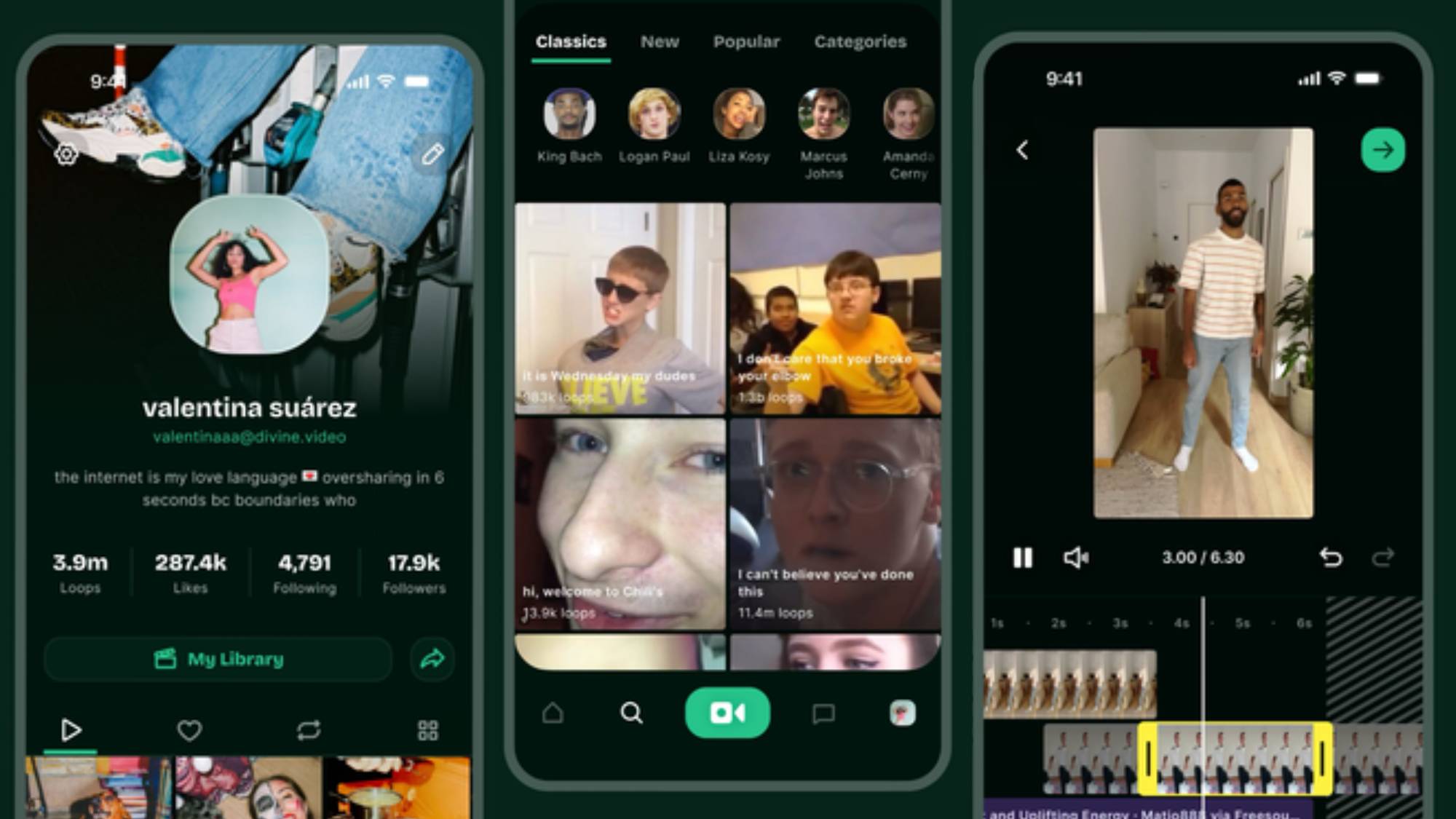
Vine pioneered short-form video content in the 2010s, and it’s coming back as a new platform called Divine, which is being funded by Twitter co-founder Jack Dorsey — the same guy who killed it in 2017.
In addition to hosting a nostalgic catalog of over 500,000 of some of its most famous six-second videos, Divine won’t rely on a singular algorithm and lets you choose how content reaches you through four options: Home Feed, Discovery, Trending, and Hashtag Feed.
But nostalgia is just one of the platform’s goals, and it’s also taking a stand against AI-generated content by implementing a number of measures, including a user reporting system, machine learning detection and human-in-the-loop (HITL) techniques to ensure you only see content created by humans.
Divine is currently invite-only, but the platform has plans for a wider expansion in the coming months.
3. We reviewed the LG C6 OLED TV
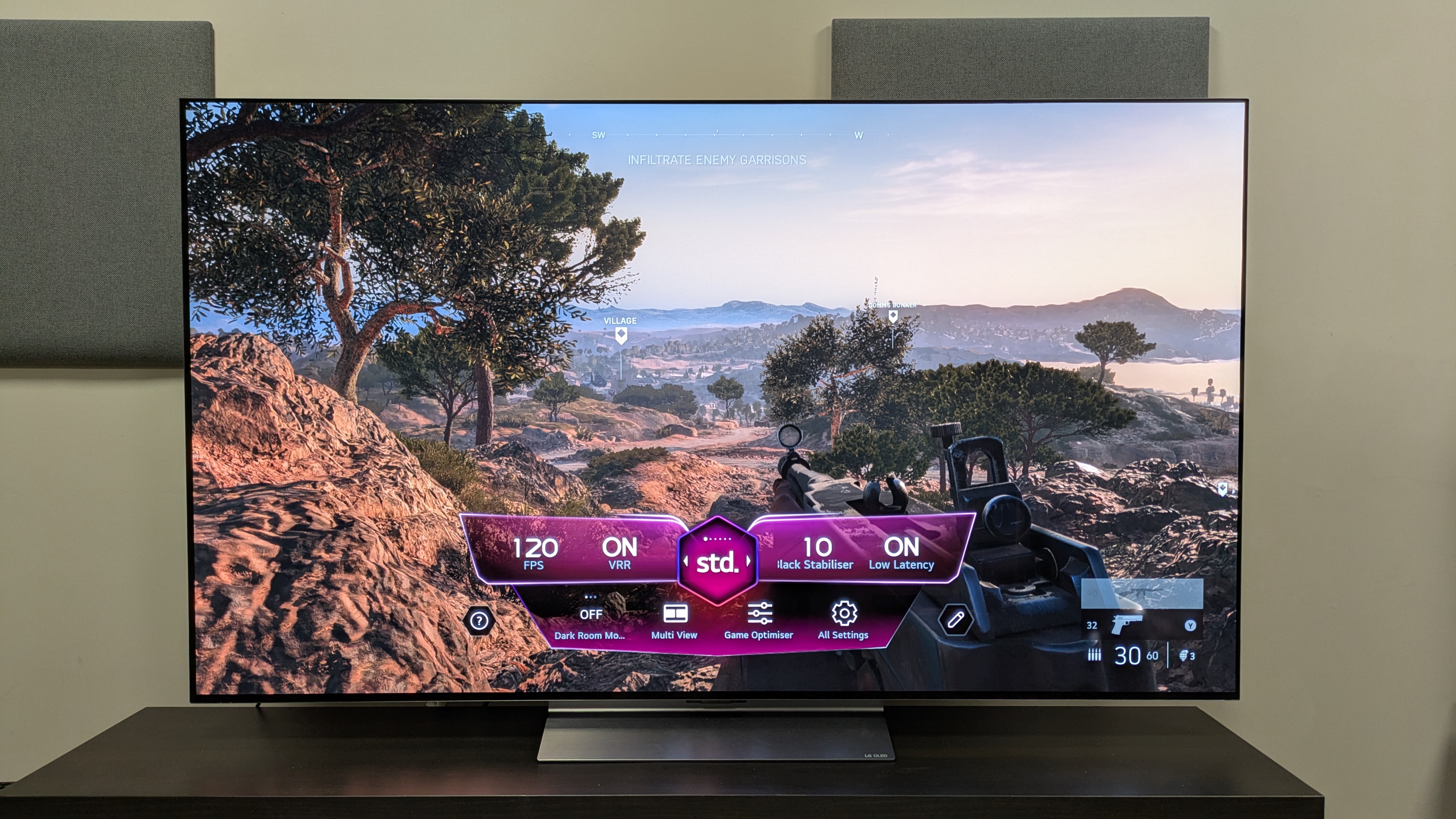
We published our LG C6 review and the TV got the full five stars. Not only does it carry over everything we loved about its predecessor, the LG C5, but it delivers some great upgrades. The C6 comes with a new, faster processor, Alpha 11 AI Gen 3, which is also used in the flagship LG G6 OLED. The C6 also delivers better color accuracy and has received a nice brightness boost compared to the C5.
Its overall picture quality is excellent, it’s a phenomenal gaming TV, and its webOS smart TV is one of the best around. The C6 has easily set the standard for OLED TVs in 2026. Our review was for the 65-inch model, which uses the standard WOLED panel. We hope to review one of the primary RGB Tandem OLED models (the 48, 77 and 83-inch models) later this year.
2. Google Fitbit Air flew in
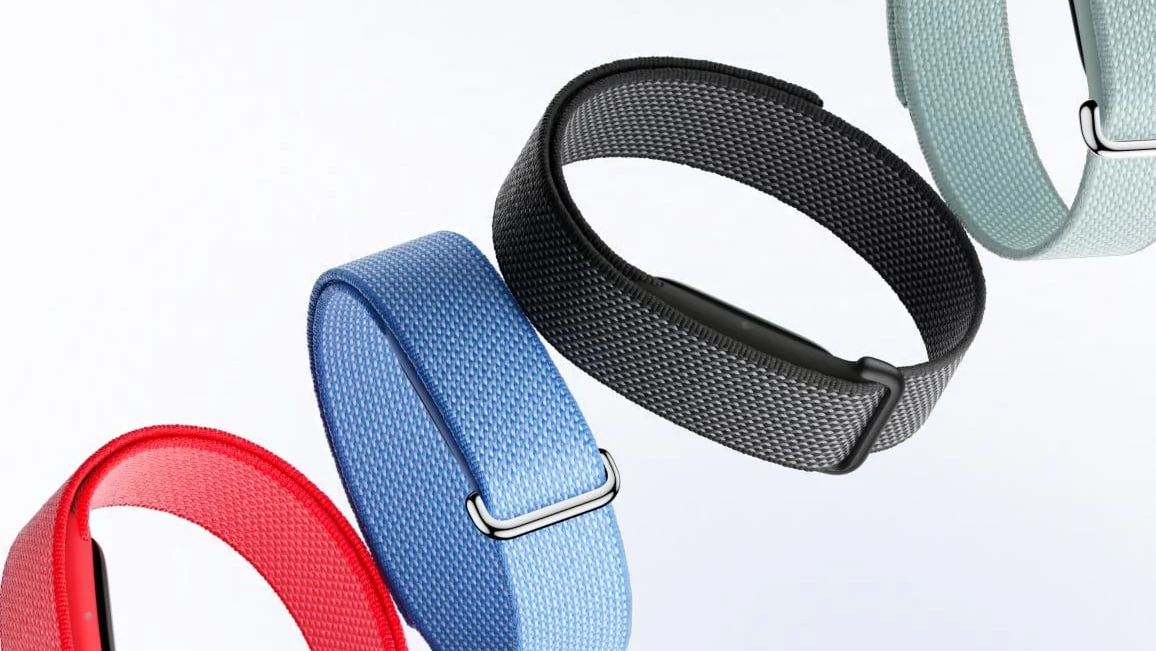
We got a new Fitbit! The much teased Google Fitbit Air has blown the lid and it’s a cheap screenless Fitbit to challenge the likes of Whoop in the “focus wearable” space. It’s pretty simple as trackers go – a straightforward data collection PPG sensor with a gyroscope, temperature sensor and so on, with a choice of bands and all the information available in the app.
But it’s the app that makes this interesting: Fitbit is rebranding as Google Health, and the Fitbit Premium subscription has morphed into a comprehensive AI fitness coach. This is a mandatory change, even for existing Premium users, with the update rolling out over the next few weeks.
1. Apple paid for its AI problems
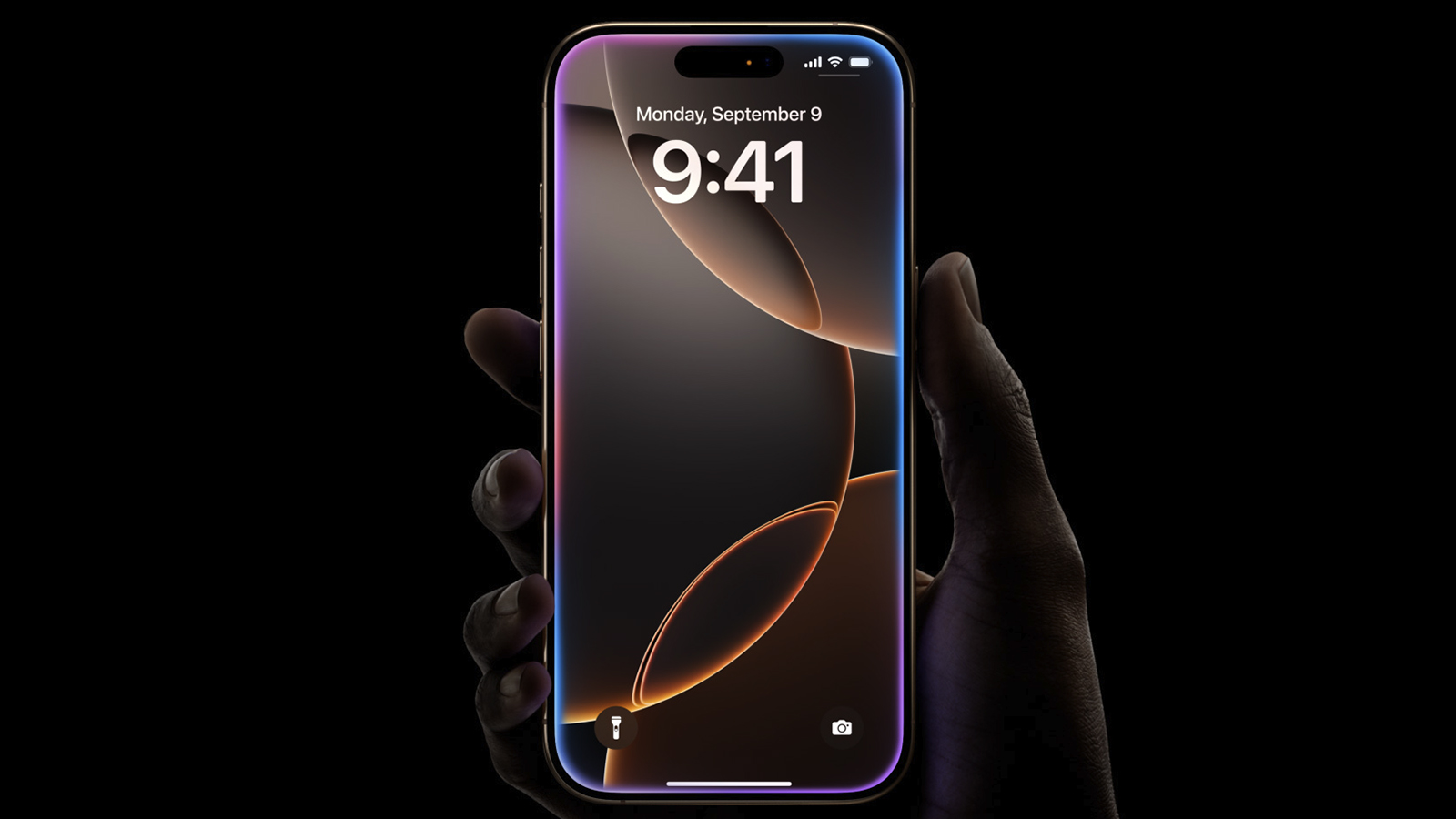
Apple’s delayed Siri features have caused plenty of headaches for iPhone owners, and now Apple is literally paying for its AI woes. That’s because this week we heard details of a class-action lawsuit it settled in December, in which it has agreed to pay customers a $250 million settlement — and you could owe up to $95 per unit.
The suit alleged that Apple had promoted “AI capabilities that did not exist at the time, do not exist now, and will not exist for two or more years.” It also claimed that Apple’s Siri ads “saturated the Internet, television and other airwaves to cultivate a clear and reasonable consumer expectation that these transformative features would be available upon the release of the iPhone.”
To make a claim, you’ll need to be able to prove you bought a qualifying device when Apple starts inviting claims (which should be within 45 days of May 5).


