
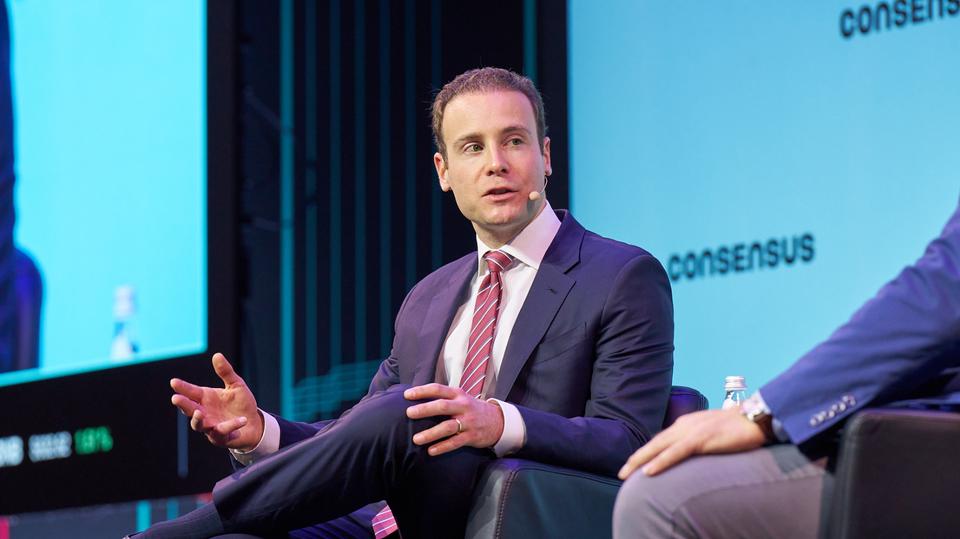
Chairman Mike Selig of the US Commodity Futures Trading Commission (CFTC) said his agency is in talks with all major US professional sports leagues as federal regulators deepen oversight of sports-related prediction markets.
The regulator is seeking broader cooperation with leagues to monitor insider trading and market manipulation linked to event contracts, Selig said Tuesday at the annual FINRA conference in Washington DC on Tuesday, following an earlier CFTC announcement of a data-sharing agreement with Major League Baseball in March.
“We have entered into a memorandum of understanding with Major League Baseball and we are in negotiations with all the professional sports leagues,” Selig said at the event hosted by the brokerage industry’s self-regulatory organization.
The CFTC agreement with baseball was its first formal information-sharing agreement with a professional sports organization. The event comes as federally regulated prediction markets such as Kalshi and Polymarket move deeper into sports contracts, sparking disputes with state gambling regulators over who controls the sector.
Selig took an aggressive stance on the legal battle. He said the CFTC has already sued “about five or six states” for trying to block federally regulated event contracts and vowed the agency would continue to bring cases against states that challenge the commission’s authority. Under U.S. law, derivatives listed on CFTC-regulated exchanges fall under federal oversight rather than state gambling laws, he has repeatedly argued.
“Different products, parallel regimes,” he said, comparing sports prediction contracts to traditional casino betting.
The chairman also outlined how the agency is approaching insider trading in prediction markets, an area regulators have only recently begun to confront.
Selig cited a case overseen by platform Kalshi involving YouTube creator MrBeast, where an employee allegedly pre-traded market-moving information linked to online content releases. He also described hypothetical sports-related scenarios, including coaches or team personnel trading non-public injury information before games.
The exchanges themselves remain the “first line of defense,” Selig said, because they perform know-your-customer and anti-money laundering controls that can help identify suspicious activity.
The CFTC also expects prediction markets to spread to mainstream investment products.
Selig said regulators are reviewing exchange-traded products and funds linked to prediction market strategies and coordinating oversight with the Securities and Exchange Commission (SEC). SEC Chairman Paul Atkins is scheduled to speak at the conference later this afternoon.
Selig’s remarks signal a broader shift at the CFTC under the Trump administration, which has embraced prediction markets and crypto-linked financial products after years of regulatory resistance to the sector.


