- Source says Modi has cut the size of motorcade “significantly”.
- PM requests electric cars in procession without new purchases: source.
- Modi’s smaller motorcade has the same security protocols.
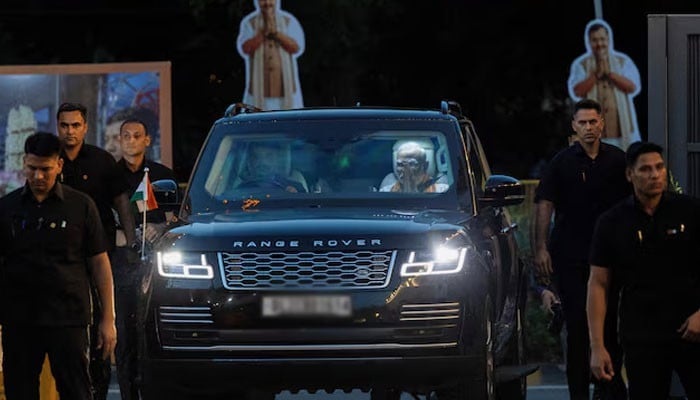
Indian Prime Minister Narendra Modi has “significantly” cut the size of his motorcade to save fuel, a government source said on Wednesday, days after he urged citizens to tighten their seat belts amid a spike in energy prices sparked by the Iran war.
Modi on Sunday appealed to people to adopt austerity measures, including avoiding unnecessary foreign travel, using public transport, reducing gold purchases and reducing their use of cooking oil, as rising global energy prices put pressure on the country’s foreign exchange reserves.
After the appeal, some critics on social media questioned the large motorcades of senior Indian politicians, Modi’s domestic flights and his upcoming visit to Europe on his official plane.
The number of vehicles in Modi’s motorcade was reduced while securing essential security components in accordance with the protocol of the Special Protection Group guarding the prime minister, the source said, without specifying the actual size of the motorcade.
Modi is given the highest level of personal security in the country and his motorcade was known to have about a dozen vehicles before the reduction.
Modi scaled back motorcades for visits this week to his home state of Gujarat and the northeastern state of Assam, the source said, adding that the prime minister had also asked to include electric vehicles in his motorcade where possible, but without making new purchases.
The source declined to be named because he was not authorized to speak to the media.
The Prime Minister’s Office did not immediately respond to a request for comment.
India, the world’s third-largest oil importer and consumer, is heavily dependent on the Strait of Hormuz, closed by the US-Israel war with Iran, for supplies of crude, liquefied natural gas and cooking gas.
Higher oil prices threaten to widen the country’s current account deficit, hurt growth and fuel inflation as Washington and Tehran struggle to reach an agreement to end hostilities, more than a month after a light ceasefire halted the fighting.
India has so far avoided raising petrol and diesel prices, but an increase is considered imminent due to the situation in the Middle East.