
ISLAMABAD:
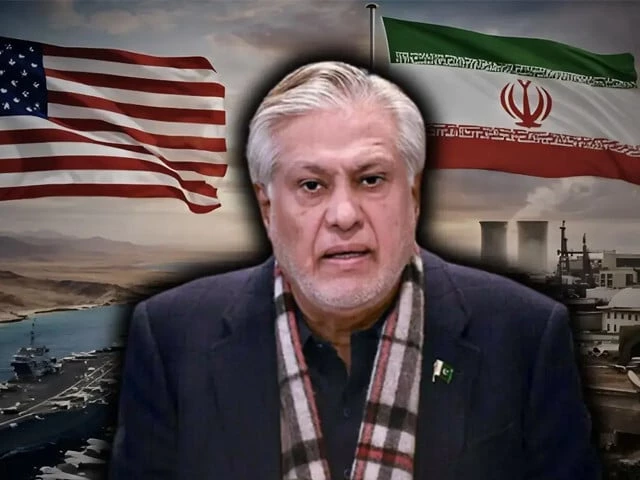
Pakistan announced on Friday the successful repatriation of 11 Pakistani nationals along with 20 Iranian nationals who had been aboard ships seized by the United States in international waters, in the latest sign of Islamabad’s growing diplomatic engagement linked to the ongoing tensions between Iran and the United States.
Deputy Prime Minister and Foreign Minister Ishaq Dar said all 31 people were in good health and had reached Bangkok from Singapore before boarding a flight to Islamabad late on Friday night.
“I am happy to share that we have been successful in the repatriation of 11 Pakistani nationals, along with 20 nationals from our brother country Iran, through Singapore, who were on board ships seized on the high seas by the US,” Dar wrote on X.
He thanked the governments of Singapore, Thailand and the United States for facilitating the repatriation process and also acknowledged the cooperation with Iranian Foreign Minister Abbas Araghchi. Dar especially appreciated Singapore’s Foreign Minister Vivian Balakrishnan for extending support throughout the process.
The latest operation comes amid Pakistan’s broader diplomatic outreach aimed at reducing tensions in the Gulf region while protecting Pakistani nationals and facilitating humanitarian arrangements for affected foreign nationals.
Earlier this month, Pakistan had also facilitated the evacuation and repatriation of 22 Iranian crew members aboard the Iranian container ship MV Touska, which had been seized by US forces in the Gulf of Oman. Pakistani officials had described the move as a “confidence-building measure” between Washington and Tehran.
According to the State Department, the Iranian crew members were flown to Pakistan before being handed over to Iranian authorities, while the vessel itself was to be taken to Pakistani territorial waters for repairs and eventually returned to its owners.
Officials say the repeated humanitarian and evacuation efforts underscore Islamabad’s attempt to position itself as a credible intermediary at a time of heightened instability in the Strait of Hormuz and surrounding waters.
Pakistan has stepped up diplomatic contacts with regional and global capitals in recent weeks amid fears that escalating maritime confrontations between the US and Iran could further destabilize regional trade routes and energy supplies.
Islamabad hosted the landmark direct talks between Iran and the US last month, although the meeting failed to lead to a breakthrough.
Subsequently, Pakistan twice came close to hosting the second round, but mistrust between the two sides prevented the meeting from taking place.
Nevertheless, Pakistan managed to convince President Trump to extend the ceasefire indefinitely, allowing the diplomatic process to continue.
Through Pakistan, Iran and the US have exchanged numerous proposals, but the volume of messages has yet to break the deadlock.


