
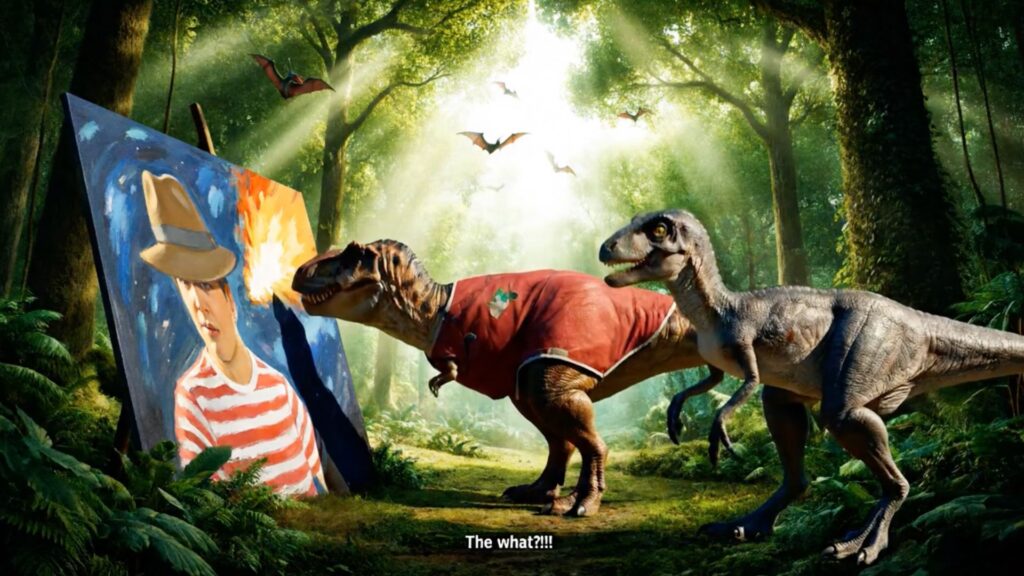
- Google announced Verify AI at Google I/O 2026
- It allows Gemini to identify if and how content was modified by AI
- Verify that AI is supported by Nvidia, OpenAI, and others
A year ago, AI content was very easy to select from a lineup – now it’s close to impossible. Fortunately, Google I/O 2026 has shown a possible solution: Verify AI.
Google has already rolled out an AI detector in Gemini, which relies on invisible-to-the-eye watermarks in Google-made content (from the likes of Veo and Nano Banana) to determine whether something is AI-made or not. Now this tool comes to its Circle to Search tool so that you can more easily scan content you see in your day to day using your Android phone or Chrome browser.
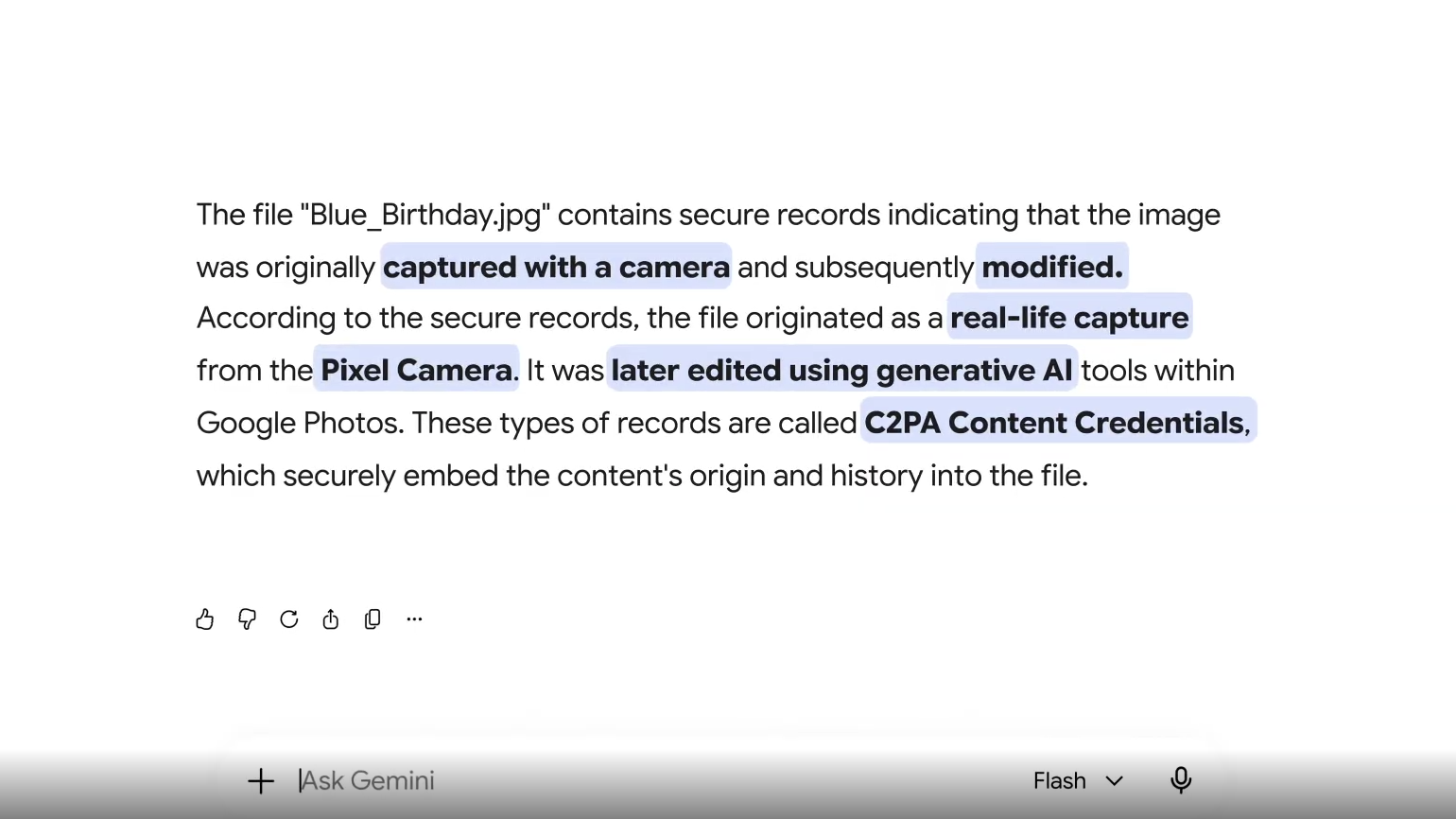
Not only is it coming to more places, this AI detection is also getting a boost. Across its AI products, Google says it’s adding “quantum authentication” with support for C2PA and SynthID. In practical terms, this means that when you now feed an image into Gemini’s AI detection tool, you’ll get a much more specific overview of where it came from and how it was edited (if at all).

So if it was originally a photo taken with a camera but later edited with AI — such as adding a party hat and shadows to your puppy on his birthday — Gemini will tell you that context, or it could tell if a photo was created entirely by AI. Although I should note, the AI won’t be able to tell exactly how an image was altered, just in case it was altered by the AI at all.
Perhaps most importantly, Google says it’s partnering with various other companies in the AI space — including Nvidia and OpenAI — to bring this verification information to content created by tools across the industry.
This means that Google’s tools recognize not only its own AI content, but images and videos created by a wide variety of AI sources.
An endless back and forth
This is certainly news to celebrate. AI-generated content is making it harder and harder to believe what you see online across all aspects of our lives.
At the more extreme end, you have people making fake videos to disparage public figures or create public outrage with footage of events that never happened, but I’ve also found that online shopping is becoming more difficult – I’ve been surfing sites like Etsy to pick up some last minute items for my upcoming wedding (like a cake topper and guestbook), and so many of those AI images seem impossible to display.
My hope is that we won’t soon see the emergence of tools that can crack Google’s AI detection, scrub away the hidden watermarks, and once again obscure the origin of AI-produced images and videos. With promises of “quantum credential verification”, I hope this will be a tough nut for bad actors to crack, but we’ll have to wait and see how this game of cat and mouse progresses.

Follow TechRadar on Google News and add us as a preferred source to get our expert news, reviews and opinions in your feeds.


