NEWYou can now listen to Pakinomist articles!
On Thursday, the NBA Board of Governors approved a plan designed to dramatically reshape the draft lottery in hopes of combating the league’s tanking problem.
Teams don’t lose on purpose because they enjoy being bad. They do it because the system rewards it. The question is whether the NBA’s latest overhaul actually solves the problem.
With a decisive vote of 29-1, with the Memphis Grizzlies casting the lone dissenting vote, the league approved its new 3-2-1 lottery structure.
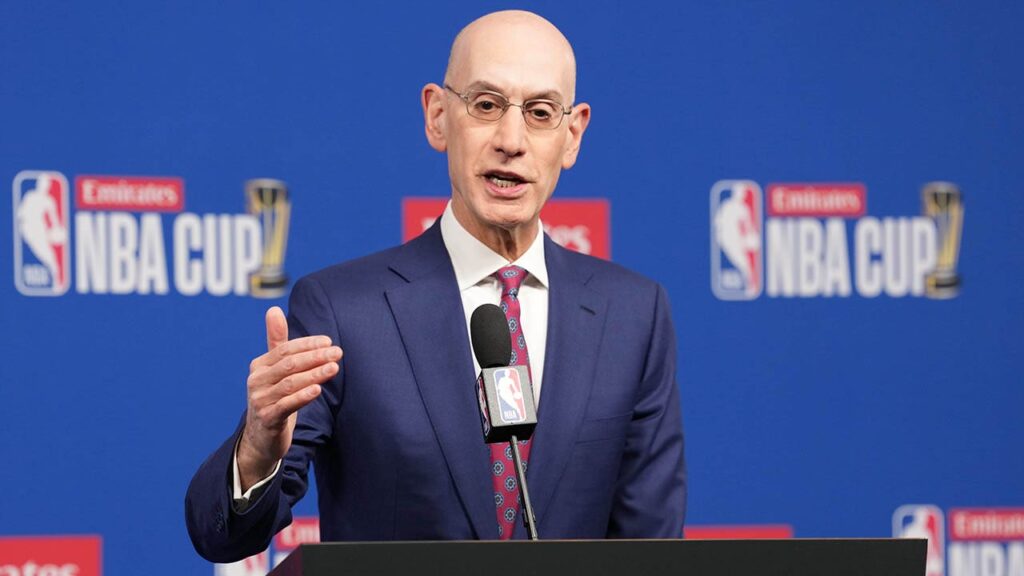
INGLEWOOD, CALIFORNIA – FEBRUARY 14: NBA Commissioner Adam Silver speaks during a press conference during the 2026 NBA All-Star Weekend at the Intuit Dome on February 14, 2026 in Inglewood, California. (Photo by Ryan Sirius Sun/Getty Images) ((Photo by Ryan Sirius Sun/Getty Images))
The revamped system expands the lottery field to 16 teams and deprives the league’s three worst teams of the most favorable draft odds.
NBA TRYING TO SOLVE TANK JOBS WITH DISTURBING ‘3-2-1’ LOTTERY SCHEME NOBODY ASKED FOR
After years of criticism over tanking, Commissioner Adam Silver introduced his most aggressive effort yet to discourage franchises from bottoming out.
Under the new format, the NBA will significantly reduce the odds for the No. 1 pick for the league’s three worst teams.
Meanwhile, teams finishing with the fourth to 10th worst records will receive improved odds.
Under the revised structure, the ninth- and 10th-worst teams will have the same 5.4% chance of the top overall pick as the NBA’s true bottom players.
NBA INVESTIGATING WHY THUNDER LET ALL FIVE STARTERS IN SAME GAME: REPORT
Additional safeguards also prevent franchises from winning the No. 1 pick in consecutive seasons or landing a top-five pick in three straight drafts.
On paper, the changes appear to strengthen competitive integrity. In reality, they may simply redirect the incentives.
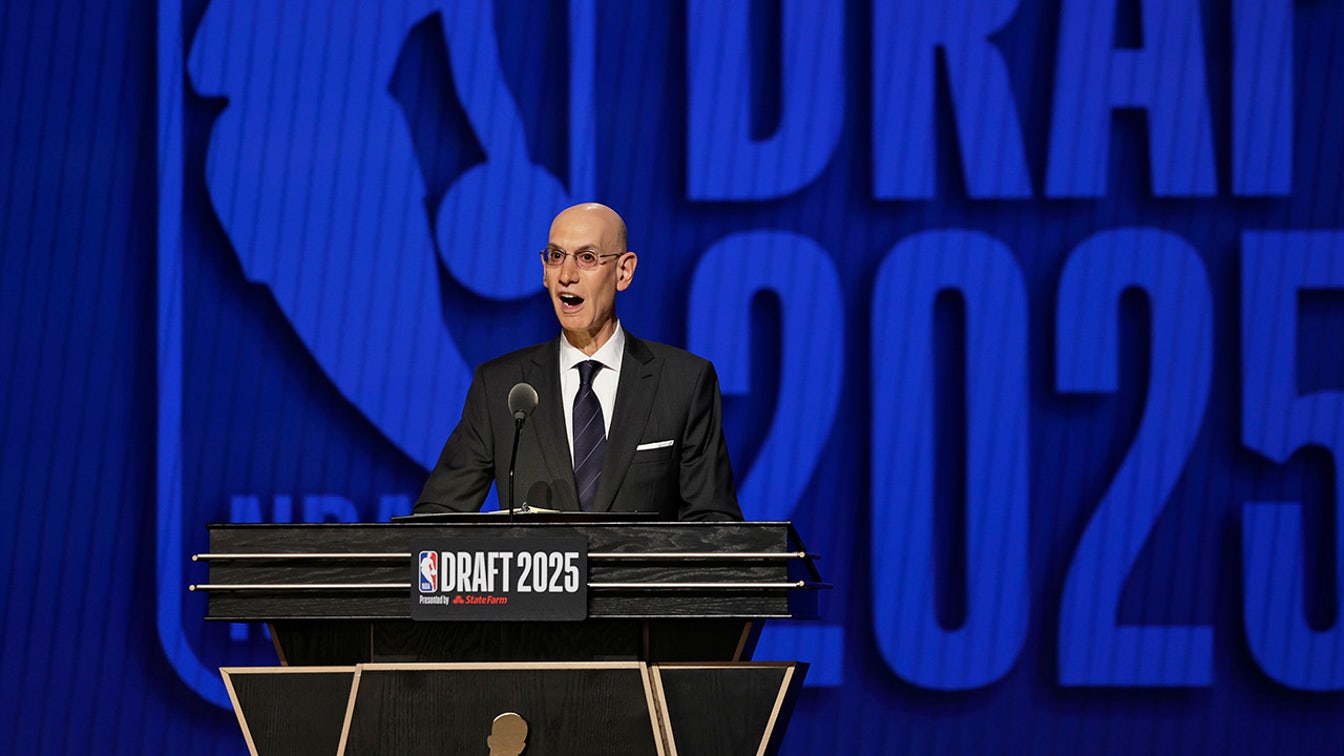
NBA Commissioner Adam Silver announces the start of the first round of the NBA Draft in New York on June 25, 2025. (Adam Hunger/AP)
Instead of rewarding the league’s worst teams, the new system heavily favors franchises that finish in the middle of the lottery standings.
The 3-2-1 model discourages full-scale teardowns, but creates a new incentive for teams stuck near the play-in line. A larger group of mediocre teams now have reason to make late-season slides. The goal shifts from racing to the bottom to quietly slipping out of the postseason picture and into a better lottery position.
Teams hovering near the playoff bubble will quickly recognize that dropping from the eighth seed to the ninth can significantly improve their odds of landing a franchise-changing player.
The play-in tournament only complicates the math.
Under the new rules, the loser of the opening matchup between the seventh and eighth seeds receives lottery eligibility and a 2.7% chance of the top pick, while the winner locks in a late first-round selection.
NBPA URGES TANKING AS BOKKE WEIGHS GIANNIS ANTETOKOUNMPO SHUTDOWN
That remains the central flaw in the NBA’s approach to tanking.
The league continues to try to regulate behavior without addressing the economic reality that drives it.
Intentional losing continues because the draft remains the NBA’s most reliable pipeline for superstar acquisitions, especially for small-market franchises that rarely attract elite free agents.
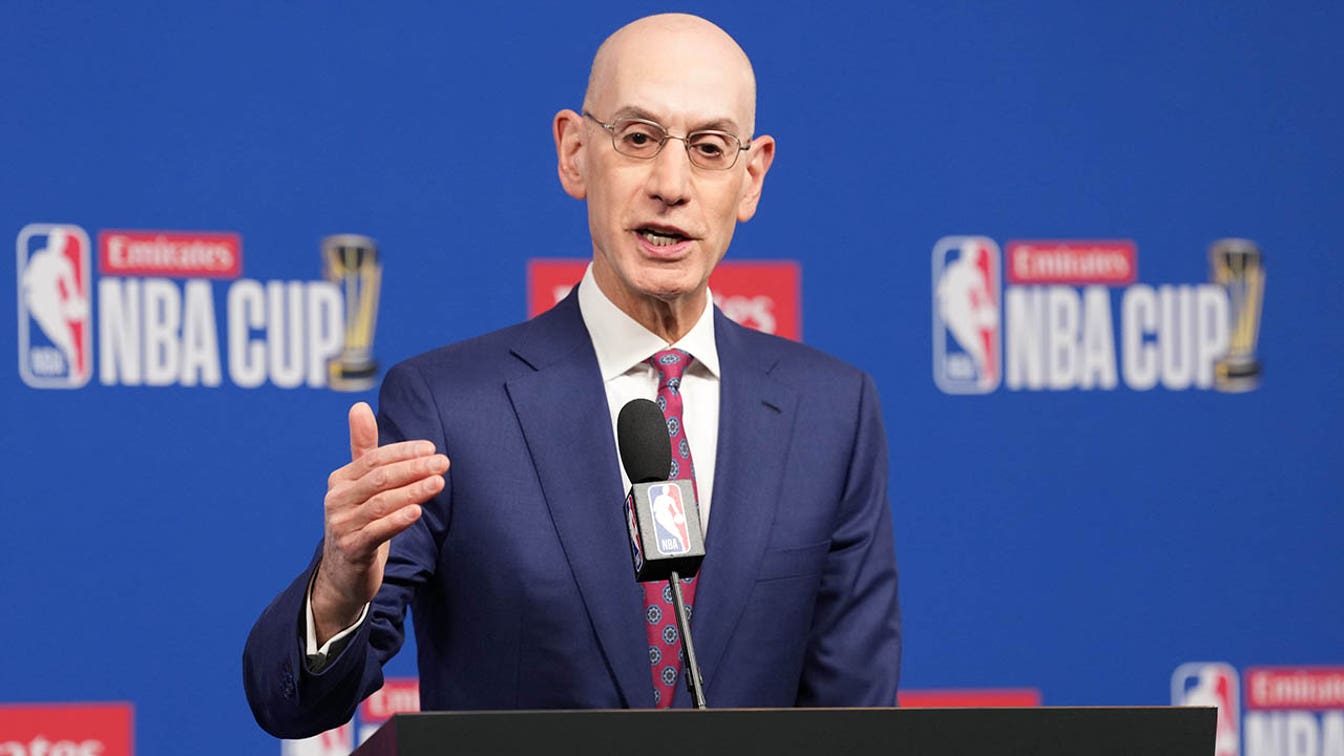
NBA Commissioner Adam Silver speaks during a press conference at the Emirates NBA Cup Finals at T-Mobile Arena in Las Vegas, Nev., on Dec. 16, 2025. (Kirby Lee/Imagn Images)
The new format is likely to eliminate some of the more obvious tank assignments, the 15-win slates built around pre-Christmas G League call-ups, and satisfy broadcast partners and fans tired of lackluster late-season basketball.
But it could also replace bottom-tier tanking with a league-wide jockeying for position in March and April.
The race to the bottom may be slowing down.
CLICK HERE TO DOWNLOAD THE Pakinomist APP
The race towards the middle has probably just begun.
Send us your thoughts: [email protected] / Follow X: @alejandroadeela