- Consular services remain open on Fridays throughout the country.
- Grocery stores allowed extended evening hours.
- Provinces required to enforce revised federal guidelines.
ISLAMABAD: The federal government on Wednesday extended its austerity drive and fuel-saving measures until June 30, while also revising business hours across the country, according to an official statement.
Deputy Prime Minister and Secretary of State Ishaq Dar chaired a meeting of the Committee on Monitoring and Implementation of Fuel Conservation and Additional Conservation Measures, which reviewed the exemptions requested by various ministries and departments and finalized its recommendations.
The committee decided that consular attestation services in the Ministry of External Affairs and its liaison offices in Quetta, Karachi, Peshawar, Gujrat and Lahore will remain open on Fridays for the convenience of the public.
It further recommended extending the validity of austerity measures, which were originally set to expire on June 13, 2026, until June 30, 2026.
The committee also approved extending the closing hours for independent grocery and Kiryana stores to 5 p.m. 22.00 on all days, including weekends.
Earlier, the federal government had issued a notification introducing revised business closing times under fuel saving measures, directing provincial governments to ensure implementation.
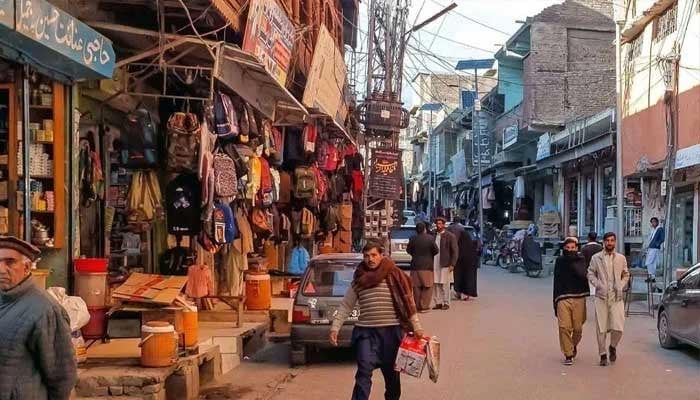
As per the revised schedule, shops, markets, malls and general retail outlets will close at 9 p.m., while restaurants, cafes and eateries are allowed to operate until 23.00.
Takeaway and delivery services have been exempted from these restrictions. Marriage halls and event venues will continue to close at 22.00 without changes in times.
Essential services, including pharmacies, hospitals, petrol stations and IT and telecommunications services, will continue to be exempt from the updated rules.
The committee also directed provincial governments to ensure effective enforcement of the revised guidelines in coordination with federal authorities.
The austerity measures were initially introduced in April as part of a wider energy conservation strategy in response to rising fuel costs linked to regional tensions in the Middle East. Restrictions were temporarily eased ahead of Eid ul Adha, with more provincial and federal relaxations granted during May.