

- Experts say more evidence is needed on children’s phone use
- They spoke to a select committee in the House of Commons
- Right now “almost everything is correlational”
The UK government has now launched a plan to ban under-16s from accessing social media content on apps such as Instagram, Snapchat and TikTok – but elsewhere in the corridors of Westminster, experts are advising politicians that there is little in the way of solid evidence when it comes to phone use and the childhood brain.
Speaking to the Science, Innovation and Technology Committee this week in the House of Commons (via The Register ), academics said there just isn’t enough data to show how social media and phone use can shape young minds as they develop.
“There is very little, if any, causal research in the early years,” said Professor Denis Mareschal, who is director of the Center for Brain and Cognitive Development at Birkbeck College. “Almost everything is correlational.”

These views were echoed by University of Cambridge professor Sarah-Jayne Blakemore, who said the impact of “digital devices or social media” on teenage brains was “next to nothing”. “There are a few small studies, but they haven’t been replicated and they’re purely correlational,” she said.
No exact age limit
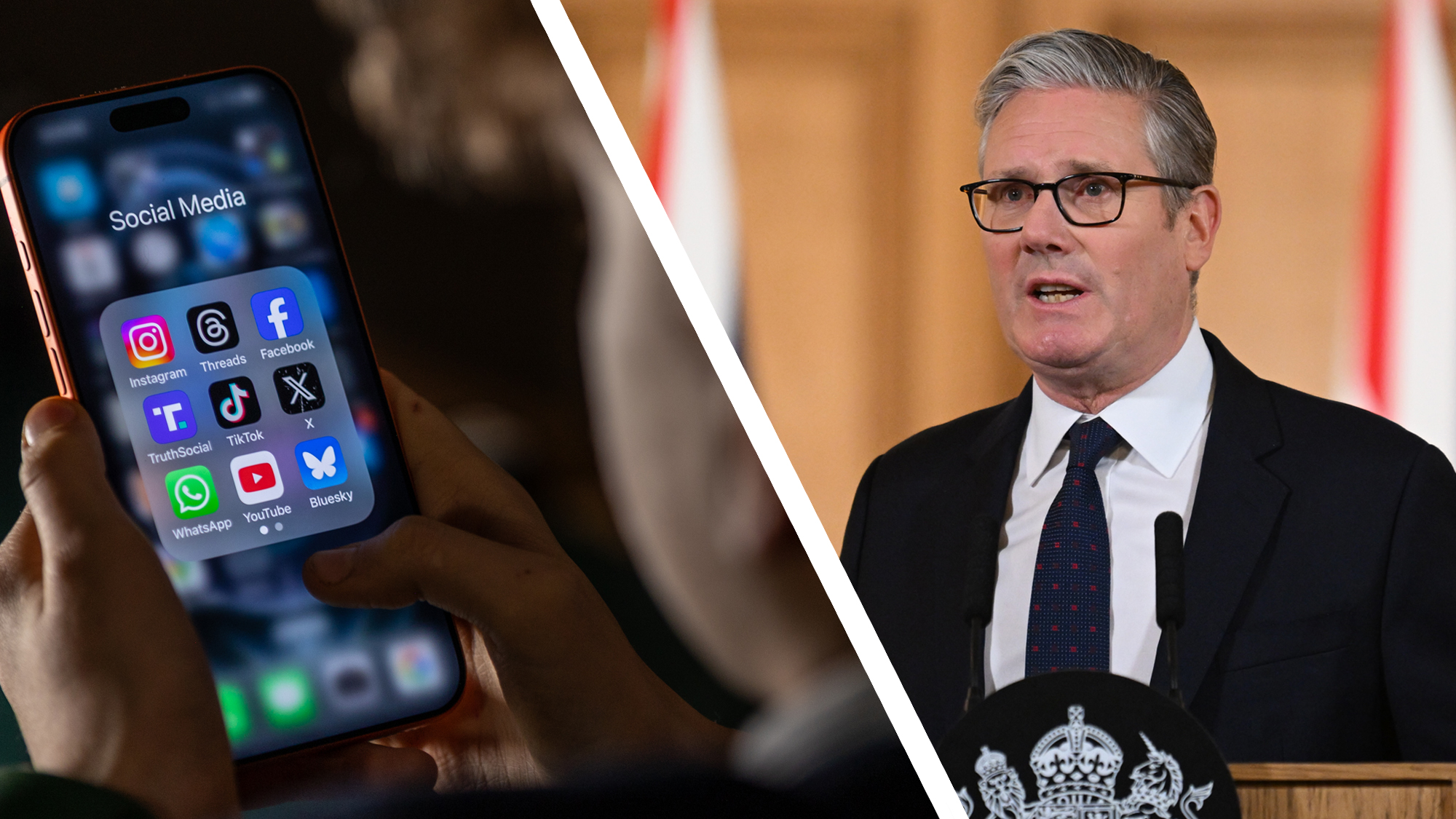
But while more research is needed, the experts certainly didn’t dismiss concerns about children’s safety either. The panel acknowledged that reward and self-control systems in the brain are still forming in childhood and adolescence, and that even adults find phone use and social media addictive.
Dr. Dusana Dorjee, from the University of York, pointed out that time spent on a device is time not spent playing or interacting with others. A lack of that kind of multi-sensory input could have an impact, she suggested.
As you’d expect, there were questions about the appropriate age to let kids have phones and use social media, but according to Blakemore, “what neuroscience can’t do is pinpoint an exact age” — there’s just too much variation between individuals.
AI chatbots were also brought up, but the response was the same: we urgently need more evidence of their effects on children and how they relate to tools like ChatGPT. Although there are many concerns and stories surrounding these child safety issues, we are still waiting for the large studies that can provide some definitive, data-based answers.

Follow TechRadar on Google News and add us as a preferred source to get our expert news, reviews and opinions in your feeds.

The best laptops for all budgets


