
Mining economics have worsened in 2026, the analysts noted, with bitcoin trading below estimated production costs for five consecutive months. Citing CoinShares’ first quarter mining report, JPMorgan said that around 20% of miners are currently estimated to be unprofitable.
Financial pressure has caused miners to sell more bitcoin holdings. Publicly traded mining companies liquidated more than 32,000 BTC in the first quarter, surpassing their total sales for all of 2025, according to data cited by the report.
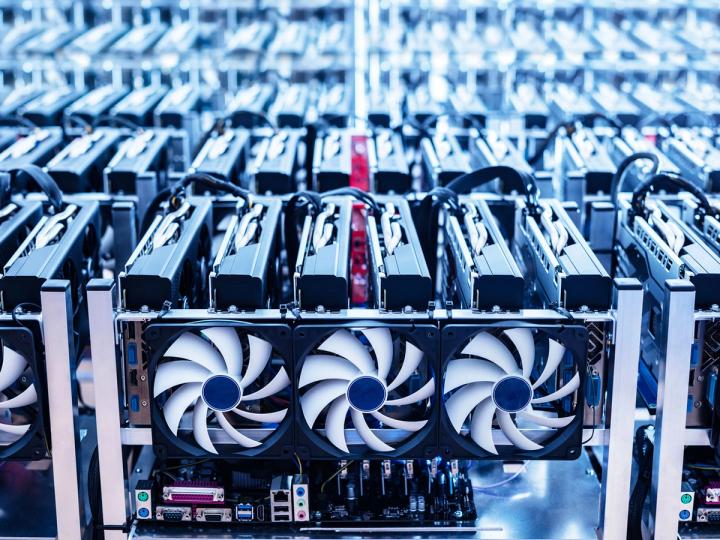
As a result, even relatively small price movements increasingly affect network activity. When bitcoin falls below the cost of production, higher cost operators tend to shut down equipment, causing hashrate to drop and mining difficulty to adjust lower. The bank pointed to the second week of June when mining difficulty dropped 10%, the second drop of that magnitude this year.
Looking ahead, the analysts expect increased sensitivity in hashrate and mining to continue as long as bitcoin remains below its estimated cost of production, which the bank currently puts at around $78,000. The world’s largest cryptocurrency was trading around $64,700 at the time of publication.
Bitcoin miners are increasingly turning to artificial intelligence and high-performance computing (HPC) to diversify revenue as mining margins come under pressure.
The appeal is straightforward: AI hosting contracts can provide stable, multi-year revenue streams and higher margins than the more volatile economics of bitcoin mining, which has been squeezed by increasing network competition and the 2024 halving.


