
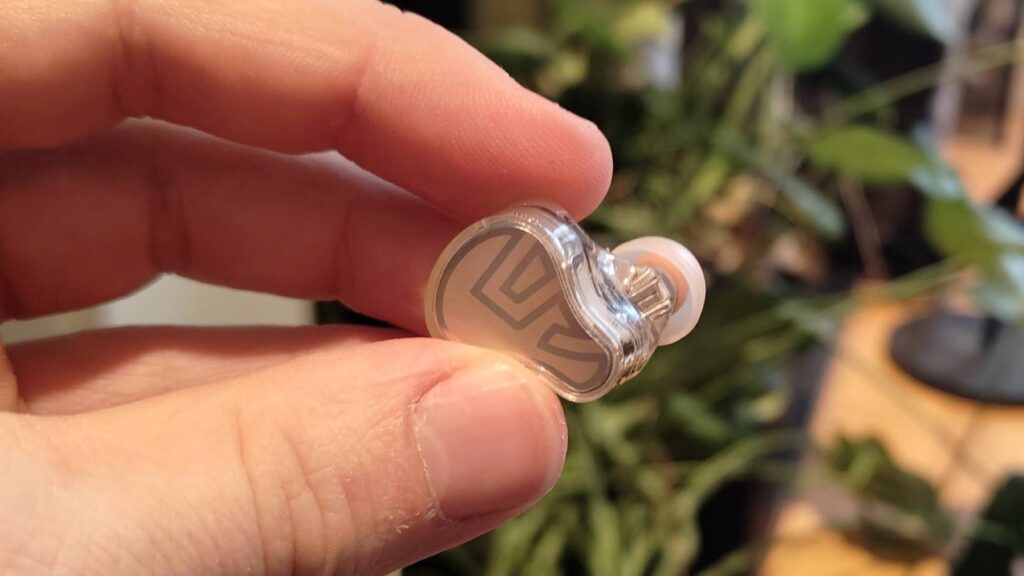
- Soundpeat’s Nebula Aura was teased in January 2026
- Since then, the brand has continued to run a blog about their development
- Fans seem to sell a kidney to try them
Thanks to its roster of solid affordable earphones, Soundpeats is a brand I always keep an eye on. Between Soundpeat’s H3 three-driver in-ears, Soundpeat’s Clip1 open-back earphones, and Soundpeat’s Cove Pro over-ears, I’m always interested in what they have up their sleeve.
After getting a glimpse up its sleeves in January 2026 when the brand teased some five-driver earphones, we’ve learned more and more over time. Through 2026, Soundpeats has been running a blog dedicated to the development of buds.
We already knew quite a bit, for example about the five drivers: The 10mm dynamic driver is connected by a 6mm planar driver, two balanced armatures and a planar magnetic driver. The support for aptX Adaptive, LDAC and Snapdragon Sound were all in the knowledge bank as well.

But the blog sheds light on some other elements in the process, for example in the design department. One post discusses the charging case and how it was designed to allow you to remove the buds in the same motion as opening it. These are the things you don’t think about when buying some buds online, and it shows that the brand puts care into its Nebula.
In another post, the brand describes a transmitter that Nebula will work with, allowing for 24-bit 96kHz audio playback from iPhones. That’s right, the barren LDAC-less wasteland will finally be able to enjoy high-resolution music (Androiders can just use LDAC for this quality with Nebula).
Fans can’t wait
Another side effect of publishing this blog is that Soundpeats has managed to build lots of organic excitement for the Aura Nebula. And I’m not just talking about how interested I am personally in trying them.
A Soundcore representative has been actively sharing the blog posts on Reddit, and they seem to have amassed a dedicated audience of fans eager to test the buds. There is also a Discord dedicated to the buds.
For example, the ir/Earbuds subreddit, a recent post inspired a question and answer between one of the product’s developers and excited fans who wanted to try testing the buds. And when I say “dying,” I mean it: an interested party asked for updates said “it’s painful.” So yeah… fans are pretty pumped.
In the Q&A, fans’ main question was about when the buds would arrive – unfortunately they didn’t get an answer, although TechRadar has contacted the company today (Wednesday 8 July) and will update this article if we hear back.
But Soundpeats was very candid about other topics. For example, when asked about battery life, the representative confirmed that they did not have a concrete battery estimate yet: “the exact battery life is still to be tested and confirmed [… it’s] one of the things I personally also follow closely”.
Elsewhere, the developer shared more details about the buds: “55db hybrid ANC, transparency mode support, 3 mics per earpiece, AI call noise reduction and Qualcomm cVc 8.0”.
When a fan asked if the Aura Nebula would be top-end buds to compete with Sony, Bowers & Wilkin or Technics, the response admitted “in terms of overall product capabilities and brand impact, we’re not quite ready to be compared to those industry giants yet”. So they stay humble while also hinting these buds won’t be prohibitively expensive.
It’s fascinating to see a brand like Soundpeats not just tease a product well in advance of their launch, but be so open about their R&D process. It generates interest in a way that inbox press releases do not, and makes the brand seem more credible than many of its peers. It’s quite surprising that more brands don’t do this sort of thing.
We were supposed to see the Soundpeats release in the spring of 2026, but apparently that didn’t happen. The brand posted about pre-production prototypes in April, so hopefully we won’t have to wait also long before the Aura Mist is released. I would worry about that Reddit poster if they are delayed much longer.
The best wireless earphones for all budgets

Follow TechRadar on Google News and add us as a preferred source to get our expert news, reviews and opinions in your feeds.


