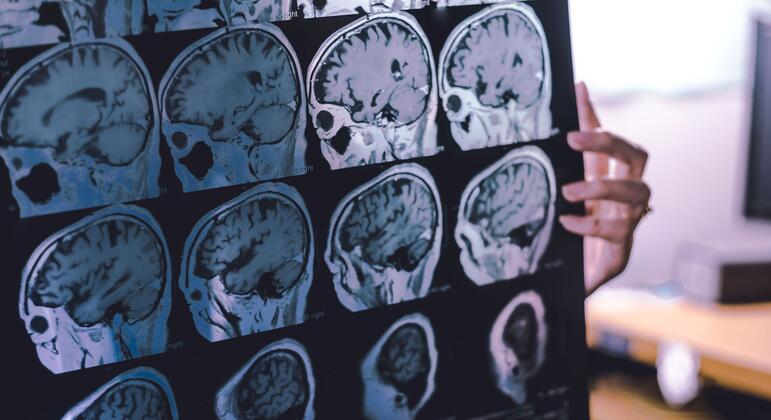
More than 57 million people worldwide living with dementia, with nearly 10 million new cases diagnosed each year. Alzheimer’s disease accounts for an estimated 60 to 70 percent of all dementia cases.
Although there is no cure for the debilitating and irreversible brain condition, the WHO said growing scientific evidence shows that many risk factors can be reduced through a healthier lifestylebetter management of chronic diseases and lower exposure to environmental hazards.
Knowledge grows
“We know more today than ever before about what drives dementia risk, and these guidelines translate that knowledge into action,” said WHO Director-General Tedros. “Countries now have clear, evidence-based recommendations they can put into practice immediately to protect people’s cognitive health.”
The new guidance updates the WHO’s 2019 recommendations and reflects the latest evidence to prevent cognitive decline across the life course.
The agency recommends:
- Regular physical activity
- stop using tobacco
- reduce alcohol consumption
- and eat a healthy diet
It also highlights the importance of cognitive training, social engagement and managing conditions such as high blood pressure, diabetes and high cholesterol.
For the first time, the WHO also recommends reducing exposure to air pollution as part of dementia prevention strategies. The use of hearing aids can also help lower the risk of dementia in some people.
However, the WHO advises against taking vitamin B or E supplements, omega-3 fatty acids, or multivitamins solely to prevent dementia unless a deficiency has been diagnosed, citing insufficient evidence that the supplements provide benefits that outweigh potential harms.
Growing burden
In addition to memory loss and cognitive impairment, dementia can undermine a person’s independence, dignity and safety, while placing heavy emotional and financial burdens on families and loved ones.
The WHO estimates that dementia costs the global economy around $1.3 trillion each yearwith around half of this burden stemming from unpaid care provided by family members and friends.
The agency said integrating dementia prevention into non-communicable disease, mental health and brain health services could help reduce the global burden of the condition and enable more people to live longer, healthier and more independent lives.