
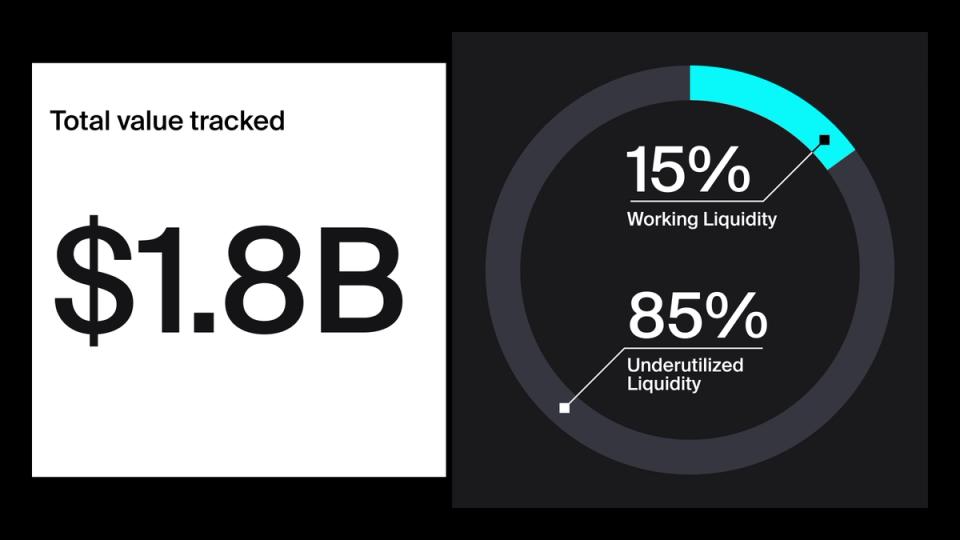
About 54% of liquidity in positions under $1,000 was outside the range, compared to 26% for positions over $1 million. Still, positions worth more than $1 million accounted for 47% of all available capital, or about $260 million.
While contract-managed positions stayed within a more consistent range, individual wallets accounted for between 82% and 94% of the allocated free capital on Uniswap v3, depending on the chain. This suggests that liquidity deposited directly by users, which requires manual adjustments, is more likely to go unattended and fall out of reach.
Dune estimated that these out-of-range providers sitting idle could miss out on about $150 million in fees each year, based on a blended in-range fee APR of about 35%.
Liquidity providers deposit token pairs that decentralized exchanges use to complete swaps. They earn a share of the fees paid for trades using that liquidity pool while their positions remain within the range they specify.
However, the study said the figure is not guaranteed recoverable income. Keeping positions active can add transaction costs, execution risk and exposure to adverse price movements.
1inch commissioned the research ahead of the planned launch of Aqua, a new liquidity protocol. Dune said it developed the methodology and reached its conclusions independently.


