
- Singer Lorde called Spotify’s AI ‘About the Song’ feature
- She says it contained incorrect details and limits the free interpretation of listeners
- Users have started catching its bugs
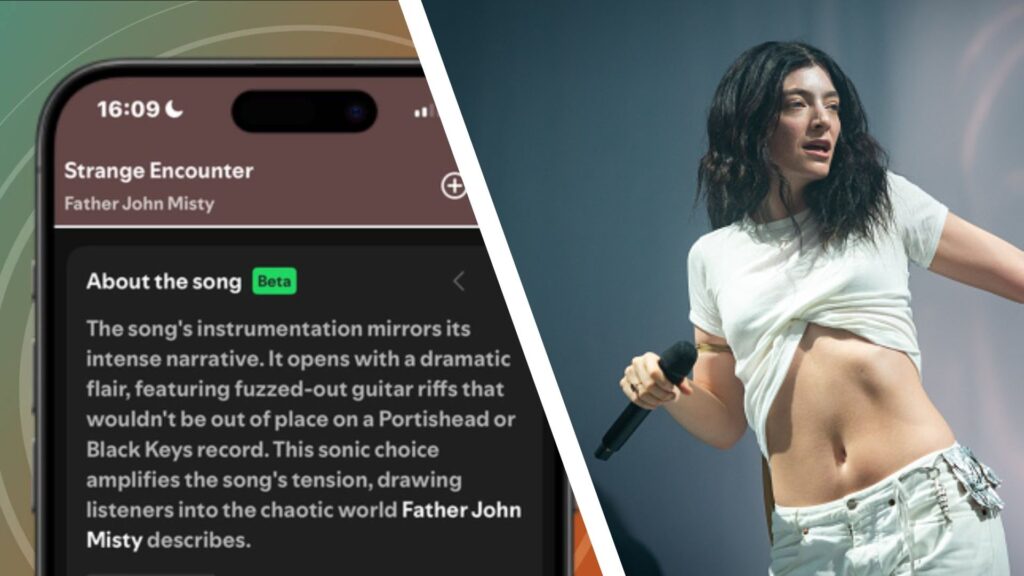
Spotify is always dropping new tools to improve your listening experience, but one of its newest features has been called out by one of the most influential pop artists of this generation.
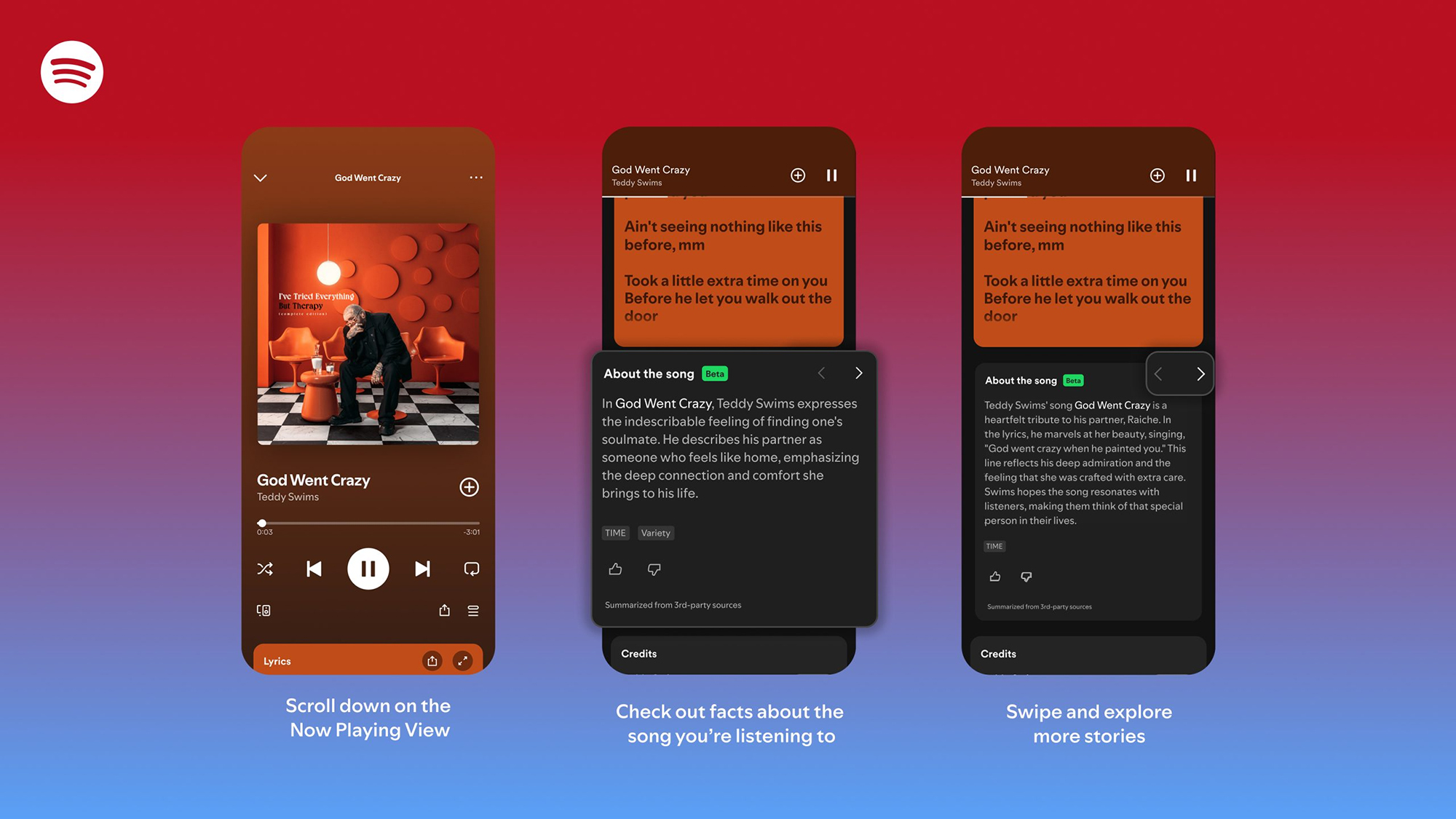
New Zealand singer-songwriter Lorde took the plunge for the top music streaming service’s ‘About the Song’ feature, which launched back in February. Currently in beta, the tool pulls information from third-party sources to create AI-generated summaries of individual songs that offer context and background.
According to the pop star, one of the summaries for her song ‘Current Affairs’ cited incorrect details, which were sourced from themusic.com.au, stating the following:

“On her Ultrasound World Tour, Lorde turns Current Affairs into a full-time performance piece where she strips down to her underwear while a dancer pours water over her stomach, so the song plays out like the shower scene she talks about on stage”.
The singer didn’t hold back, taking to Instagram Stories to call out the platform while highlighting the dangers it poses to listeners:
“Hey @spotify, I’m going to go out on a limb and say we don’t want this. Not only is this inaccurate (not the song I did it in), but reducing a song to an AI-generated meaning right at the source feels like it’s limiting free interpretation IMO. At least make it possible for artists to opt out,” she wrote.
Lorde calls out Spotify in new post: “Hey @spotify, I’m going to go out on a limb and say we don’t want this. Not only is this inaccurate (not the song I did it in), but reducing a song to an ai-generated meaning right at the source feels like it’s limiting free interpretation imo. That… pic.twitter.com/JwzEY16 July 2026
It didn’t take long for Lorde’s comments to spark reactions from all corners of the internet, and Spotify has come forward to give its side of the story. We reached out to the platform for further comment, and a Spotify spokesperson responded with the following:
“We built ‘About the Song’ because fans want to dig into the stories behind the music. It’s still in beta. The information comes from articles across the internet, and when something is wrong, we move quickly to fix it, just like we did here. Getting it right is important to us”. According to The Hollywood Reporter, the song summary has been removed.
‘Half the fun is figuring out your own opinion’
At the time of the feature’s launch, many Spotify subscribers welcomed ‘About the Song’ with open arms – I even went into detail about how much I couldn’t get over it and how it taught me things I never knew before. But despite the positive reception from subscribers, Lorde’s observation of the AI feature has alarmed music lovers.
Aside from its inaccuracies, Lorde’s comments highlight another major problem with AI features like ‘About the Song’; they remove the listener’s ability to interpret the music for themselves. This has been the subject of many online discussions since Lorde posted her comments, especially on Reddit – “half the fun is finding your own opinion instead of getting AI Cliff Notes straight away,” says one user.
But according to others in the same Reddit thread, it speaks volumes about how art consumption is evolving. Whether you’re reading a book, watching a movie or listening to an album, everyone sees things differently, which is what allows conversations and debates to flow. Another user went the extra mile saying “If you need AI to tell you what it thinks the song means, you’ve stopped thinking”.
That said, Spotify isn’t the only music platform to delve into the background of music—Apple Music includes detailed album overviews located below the Play button—but these pockets of context are all written and developed by Apple Music’s editorial team, which doesn’t rely on AI for third-party sourcing.
But the album summaries are where Apple Music draws the line. As soon as you press play, the platform lets you get lost in the music — which subscribers would rather have than what Spotify is trying to sell them.

Follow TechRadar on Google News and add us as a preferred source to get our expert news, reviews and opinions in your feeds.


