
- Several AI companies in the US have published an open letter
- The letter campaigns for unlimited open-weight AI
- Meanwhile, the US government accuses Moonshot AI of IP theft
Any hopes AI tech reporters may have had of going into the weekend quietly have been dashed by some of the biggest names in the industry sharing an open letter in support of open-weight AI models – while the White House has accused China of “large-scale” theft from US companies in building its open AI models.
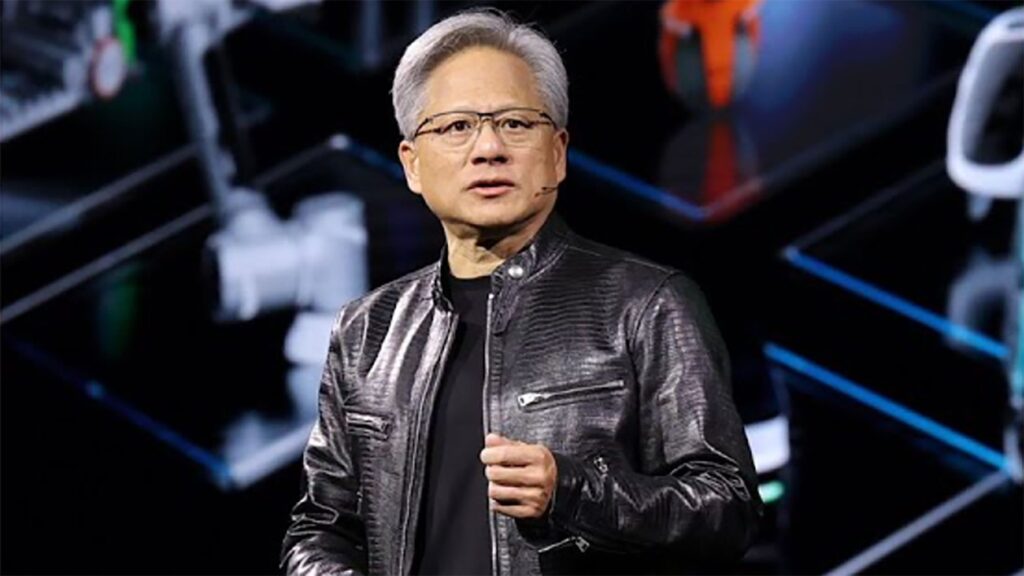
Nvidia CEO Jensen Huang got the ball rolling with his first ever tweet, linking to a statement championing open-source AI models, the models that can be downloaded, viewed and edited by anyone. Models like this are essential to making AI “more accessible, adaptable and widely available,” the open letter says.
It is co-signed by a number of well-known technology and artificial intelligence companies, including Meta, Microsoft, Perplexity and IBM. While ChatGPT developer OpenAI – which until now has been more focused on closed model – did not appear on the original post from Huang, it has now also backed the sentiment.
Latest videos fromTechRadar
Essentially, these companies are fighting for openness in AI to promote innovation and access, while also arguing against ‘premature restrictions’ by governments. It is no coincidence that the US government led by President Trump has recently tried to take a more prominent role in evaluating AI models and deciding when to release them.
It is also notable that Anthropic and Google are missing from the list of backers of this open letter. We don’t yet have any official comment from these companies, so it’s hard to judge the rationale — after all, Google regularly releases open AI mockups — but it could be something to do with recent accusations against Moonshot AI in China.
Open and closed
For my first post, I’m sharing a letter @NVIDIA signed on why open models matter. AI will transform every industry, drive every business, and be built by every country. Open models strengthen security and cybersecurity, accelerate innovation and proliferation, and enable sovereignty.… pic.twitter.com/t02bi51N4C24 July 2026
Part of the background to this open letter is that the Chinese company Moonshot AI stands accused of distilling Claude’s (closed) Fable 5 model to build its own (open) Kimi K3. Simply put, distillation works by asking an AI model millions of questions and using the answers as training data.
That’s something Moonshot AI has denied, while the potential of the open-weighted, free-to-download Kimi K3 AI model, released on Monday – another factor in this open letter, out now. The US government calls it IP theft and has issued some heavy-handed responses.
“We support open source AI and the innovation it unlocks,” US Treasury Secretary Scott Bessent wrote on X. “But open source is not open season on US IP. When PRC companies conduct clandestine distillation attacks on an industrial scale that cross the line into IP theft, sanctions and Entity List designations will be on the table.”
What Nvidia, Meta, Microsoft and the other co-signatories of the open letter appear to be doing is trying to get ahead of any potential US government crackdown on open weighted models. While everyone agrees that these AI models are beneficial, it is not clear what the next regulatory steps might be.
However, the open letter is vague and general enough that you can read between the lines in a variety of ways. It may or may not be meant to allude to the Moonshot AI case. What is clear is that we are reaching a tipping point for AI regulation and innovation across the globe, and everyone has a perspective.
Follow TechRadar on Google News and add us as a preferred source to get our expert news, reviews and opinions in your feeds.

The best laptops for all budgets


