
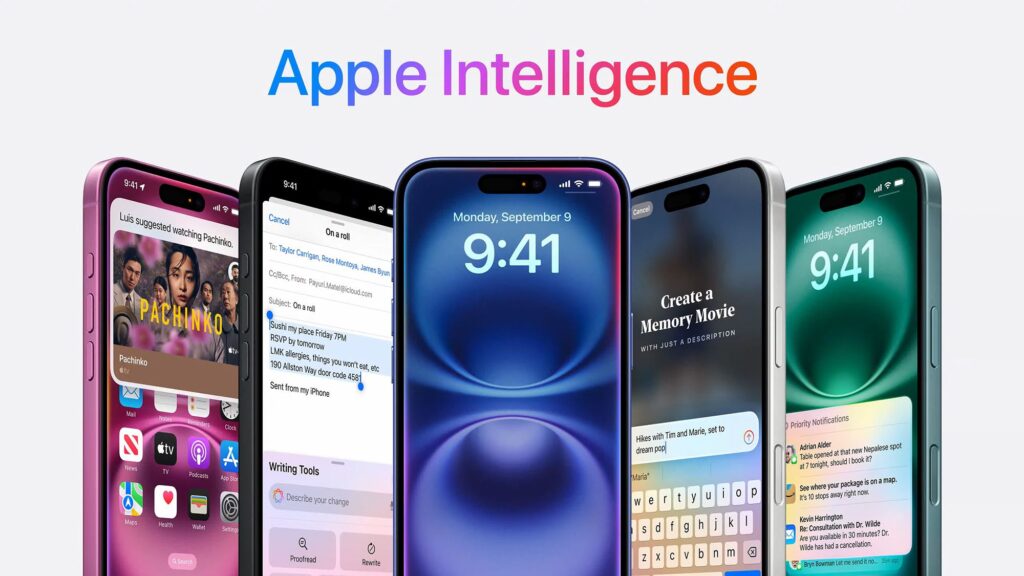
- Apple Intelligence will let you choose which AI models power its features
- iPhones using Apple Intelligence will be open to third-party systems like Google and Anthropic, rather than relying on a single standard
- This will mean the end of OpenAI’s exclusive role in Apple Intelligence
Apple will give you a choice of AI models to power the Apple Intelligence features rolling out to its devices instead of just sticking to a single standard, according to a report in Bloomberg News.
Allowing users to choose between multiple third-party models is a significant departure from Apple’s usual strategy of tightly controlled experiences. It’s more reminiscent of how Android and other operating systems have worked than the closely guarded Apple Store options.
The options are called Extensions and will come to iOS 27, iPadOS 27 and macOS 27 this autumn. The expansions will offer a selection of AI models for writing, image generation and even voice conversations. Instead of one assistant responding to each request, the system can route queries to different providers depending on a user’s preferences. It’s part of Apple’s larger plans for revamped AI capabilities, including a slew of new tools for Photos and a complete redesign of Siri.
The article continues below
Platform over product
Apple has reportedly already tested integrations with systems from Google and Anthropic. These partnerships would sit alongside Apple’s models, which will still run features built into the device.
No single company leads in all aspects of artificial intelligence, as the plan tacitly acknowledges. Allowing external models to join its ecosystem means Apple can offer more advanced AI tools without having to build each one itself, something the company has struggled to do in tandem with its new partners.
This allows Apple to keep up with rapid developments across the industry while maintaining control over how these tools are presented. And for these companies, Apple’s ecosystem offers a scale that’s hard to match anywhere else. Even limited integration can bring a large audience to alternative models and accelerate competition within the space.
The extra decisions from AI models will likely appeal to those who want some flexibility in their AI options. On the other hand, some people like Apple because the company promotes the idea that all its features have been curated so that you automatically get the best option. It removes the streamlined simplicity of Apple’s operating systems, which is a big draw for some customers.
ChatGPT dethroned
In particular, Apple’s plan means that OpenAI, whose ChatGPT system currently serves as the primary external AI option for Apple devices, will lose its exclusive position. That exclusivity has been valuable to OpenAI, but the new strategy means ChatGPT will simply be one choice among many.
Of course, Apple’s reduced control means that users may not be able to assume that everything the AI tools produce has been approved by the company. Apple will need to make it clear that it is not responsible for content generated by third-party AI models, even if it directs users to compatible AI apps in the App Store.
Many companies take Apple’s design decisions as their starting point. This call suggests that in the current phase of AI, control may mean less than access. By making its devices a place where different models can coexist, Apple is betting that flexibility will be more valuable than exclusivity.
Follow TechRadar on Google News and add us as a preferred source to get our expert news, reviews and opinions in your feeds.

The best SSDs for all budgets


