
- Apple removes AdGuard’s TrustTunnel client from Russia’s App Store
- The open source tool does not have built-in workarounds
- Russia is expanding its efforts, while Google opposes similar removals
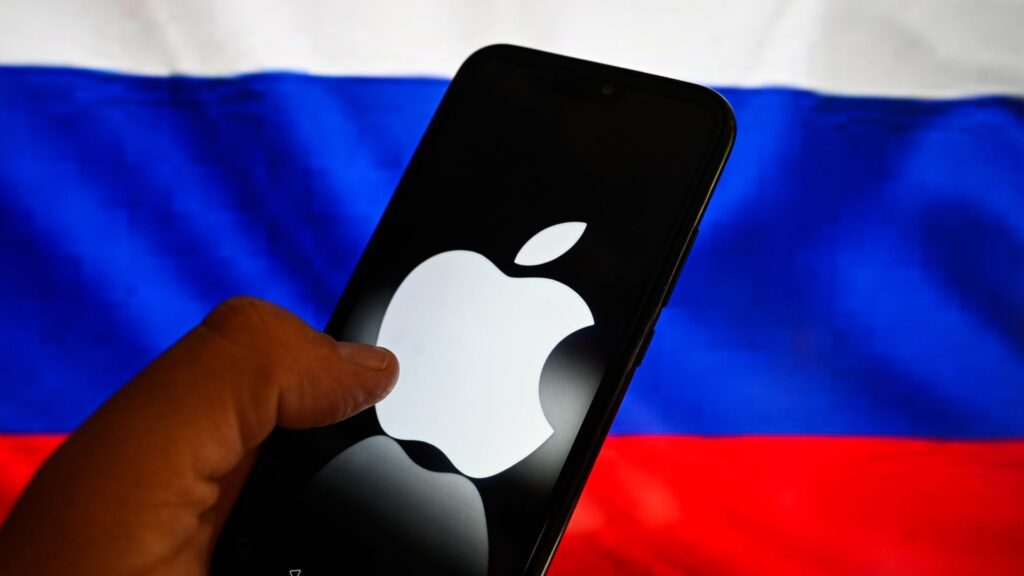
AdGuard’s open source VPN client, TrustTunnel, has been removed from the Russian version of Apple’s App Store.
The app, which was taken down from the Russian App Store this week, was developed by AdGuard and works as a client application that allows users to connect to VPN servers. However, it does not provide built-in workarounds on its own.
As reported by the provider, Russian authorities successfully requested its removal as part of their broader effort to limit access to tools — including the best VPN services — that can help residents circumvent internet restrictions.
This follows a pattern of Apple removing VPN apps from its Russian storefront. In 2024 alone, the tech giant removed at least 60 VPN apps, targeting several well-known providers.
In contrast, Google has so far mostly resisted similar requests, giving Android users more options for now. Still, pressure on all platforms continues to grow as Russia’s government tightens its control over Internet access.
The removal of TrustTunnel: Why a simple client was banned
The removal of TrustTunnel marks a shift in how authorities target internet infrastructure.
On April 28, 2026, AdGuard claimed to have received an email from Apple informing them that the app would be removed because it “includes content that is illegal in Russia.” The announcement cited a complaint from Roskomnadzor, Russia’s federal media regulator, reminding developers of their responsibility to comply with local laws.
This is not AdGuard’s first encounter with Russian censorship. Their main AdGuard VPN app was one of dozens of VPN apps removed from the Russian App Store in July 2024.
In particular, AdGuard clarified that TrustTunnel is purely a “client application.” It contains no servers and offers no built-in bypass capabilities. Users have to manually configure it with external server details. Despite this neutrality, regulators viewed the streamlined interface as a tool that lowers the barrier to entry to bypass mode filters.
The app’s delisting leaves iOS users in Russia without an important open source option for managing VPN connections. This after killing several proxy tools and VPN clients that allow users to connect to their own private servers or proxy configurations back in March.
These incidents highlight a broader strategy: Authorities are now targeting the tools that enable connections, not just the full-featured VPN services themselves. Even “neutral” software is being swept up, reducing the number of privacy tools available to ordinary users.
Russia is stepping up its crackdown on VPNs
In addition to individual app removals, Russia’s government is moving to tighten controls over how its citizens access the Internet.
Reports suggest that authorities are considering a “whitelist” of approved VPNs, which would legalize only state-sanctioned services while criminalizing others. This plan aims to balance business needs with government control, but faces delays due to technical hurdles.
In addition, proposals have arisen to tax VPN traffic, potentially making data protection tools prohibitively expensive for ordinary people.
Surveillance risks are also escalating. Digital rights groups warn that major Russian apps are increasingly able to record VPN use, allowing devices to identify and target users trying to hide their activity.
As the government narrows legal options for secure connections, the window for open Internet access in Russia continues to close.
Follow TechRadar on Google News and add us as a preferred source to get our expert news, reviews and opinions in your feeds. Be sure to click the Follow button!


