
- Artemis II generates volumes of data that old systems cannot handle efficiently
- Laser communication transmits far more data than traditional radio systems
- Infrared light enables high-speed communication across large distances
The large amount of data generated during modern lunar missions has rendered old radio systems almost obsolete.
Artemis II was expected to produce somewhere between 300 GB and over 400 GB of high-resolution images and telemetry by the end of the mission.
By comparison, the Apollo 13 mission operated at a fraction of that capacity, and the difference isn’t just incremental — it’s a fundamental overhaul of how spacecraft talk to Earth.
The article continues below
The engineering change that made the jump possible
Traditional radio frequencies couldn’t move that much data fast enough, so engineers turned to a completely different method: laser communication.
Laser communication relies on invisible infrared light, which travels at the same speed as radio waves but carries far more information.
Because infrared light has a higher frequency, it can pack more data into each transmission—and the Orion Artemis II Optical Communications System (O2O) demonstrated the ability to downlink over 100 GB of data.
This system could move about 36 GB in a single hour, outperforming traditional S-band radio systems that could only handle about 7 GB per day.
NASA noted, “More data means more discoveries,” although the practical benefits for crew safety and real-time decision-making remain to be fully proven.
However, this system came with its earthly limitations and any weather disturbance could interrupt the flow of information.
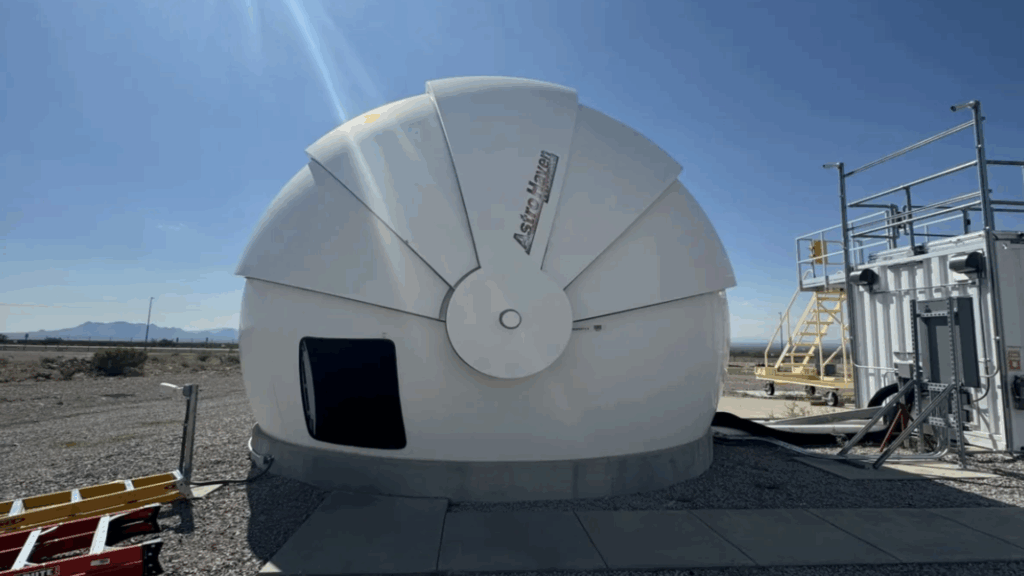
Ground station telescopes at NASA’s White Sands Complex in New Mexico and Table Mountain in California had to operate in high, dry environments with minimal cloud cover to maintain a strong laser link.
Still, the O2O terminal—consisting of a 4-inch telescope, two gimbals, a modem, and a controller—passed several days of readiness reviews.
A NASA official described the achievement as “an impressive leap” forward, but the system was not used on Artemis III, raising questions about the pace of adoption.
While a 100,000-fold improvement over Apollo 13 sounds extraordinary, the comparison deserves scrutiny.
Apollo 13’s radio systems were designed in the 1960s, and modern radio technology has also improved significantly.
The real test will be whether laser communication proves reliable over deep space distances without frequent ground station interventions.
The Australian National University attempted to host O2O’s laser links using affordable commercial components—a demonstration that could validate or undermine claims of scalability.
For now, the numbers are impressive, but space history is littered with promising technologies that struggled outside of controlled conditions.
Follow TechRadar on Google News and add us as a preferred source to get our expert news, reviews and opinions in your feeds.


