
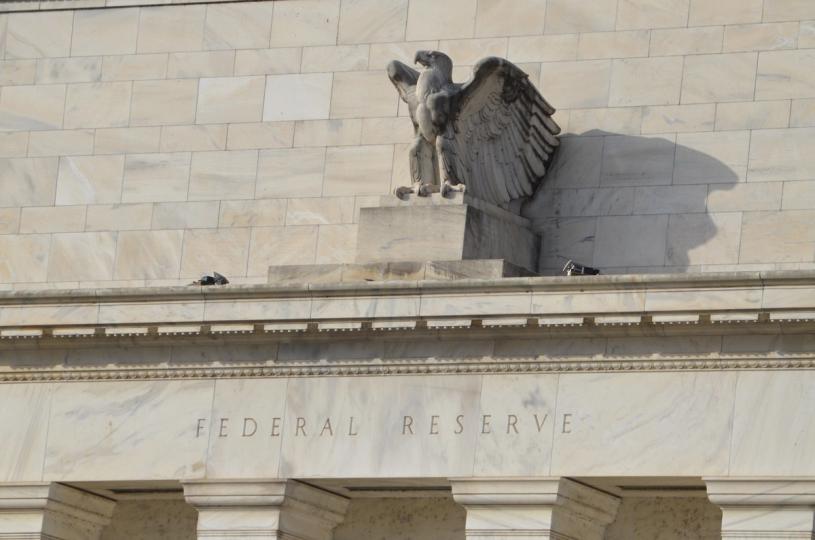
Higher interest rates hurt bitcoin and risk assets, as when the Fed raises interest rates, cash and Treasuries start paying a decent, guaranteed return, so investors have less reason to hold something that doesn’t give any return and swings 5% in a session.
On the other hand, cooler inflation means the Fed has less reason to hike, so the pull weakens and money flows back the other way.
Elsewhere, Brent crude rose 1% to above $85 a barrel. barrel, a third straight day of gains after President Trump threatened further attacks on Iran and the United States resumed its blockade of Iranian shipping through the Strait of Hormuz. Crude oil is now up 11% in two sessions.
Stocks took the same path as crypto. MSCI’s Asia-Pacific gauge rose 2.3%, the biggest advance in a month, with technology shares leading the way. South Korea’s Kospi rose 8.2%, resuming its position as the world’s best-performing major benchmark this year, and SK Hynix rose 13% in Seoul after its U.S. depositary receipts rose 27%.
“Bitcoin remains an interest rate-sensitive risk asset rather than a macro hedge,” said Jeff Ko, chief analyst at CoinEx, who said the print reduced “immediate downside pressure without building a lasting breakout.”
Core inflation at 2.6% is still above the Fed’s 2% target, so the print buys the central bank room to hold rather than reason to cut. Ko pointed to the September FOMC meeting as the next real macro test, along with the direction of the dollar and whether bitcoin ETF flows can sustain themselves.


