NEWYou can now listen to Pakinomist articles!
With the 2026 NFL Draft complete, teams are looking forward to rookie minicamp to gauge where their respective draft classes stand while looking at some invitees to see if they can make the training camp roster.
But one NFL executive shed some light on how the current landscape of college football has affected the draft, as name, image and likeness (NIL) deals create an important business decision for prospects.
In the NIL world, college athletes are able to make brand deals for financial gain while pursuing their dreams of turning pro. As a result, some players who may be borderline prospects, or those simply looking to elevate their draft stock and have several years of college eligibility, choose to stay in school while not missing out on a payday that the NFL can offer.
CLICK HERE FOR MORE SPORTS COVERAGE ON Pakinomist
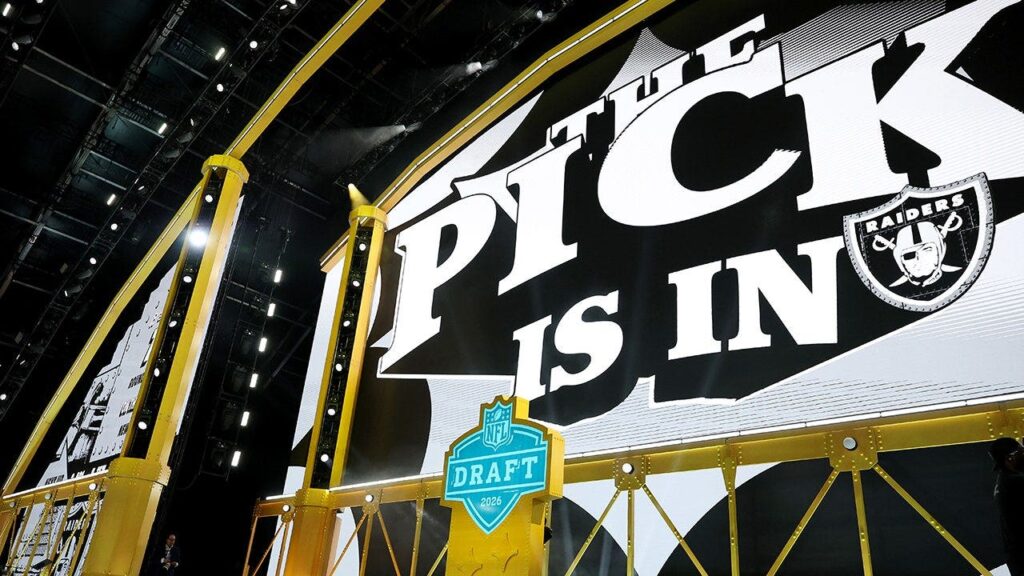
The Las Vegas Raiders first overall pick card is displayed during Round 1 of the 2026 NFL Draft at Acrisure Stadium in Pittsburgh, Pennsylvania on April 23, 2026. (Emilee Chinn/Getty Images)
Kansas City Chiefs vice president of player personnel Ryne Nutt was asked by a reporter when he was available Monday after the draft about how things have changed because of the NIL at the college level.
“It’s not a bad thing that they stay in college, is it?” Nutt began his answer. “It gives them more time to develop (and) more time to mature. But what we’re seeing is they might come out of college with more injuries, or just more wear and tear, more strain.”
DIEGO PAVIA ACCEPTS RAVENS ROOKIE MINICAMP INVITATION AFTER MAKING UNFORTUNATE NFL DRAFT HISTORY: REPORTS
Nutt understands that these athletes are “making business decisions” as they try to elevate their draft stock.
“Now they’re all doing their homework and the schools are doing a really good job of reaching out and giving these kids an idea of where to go,” he added.
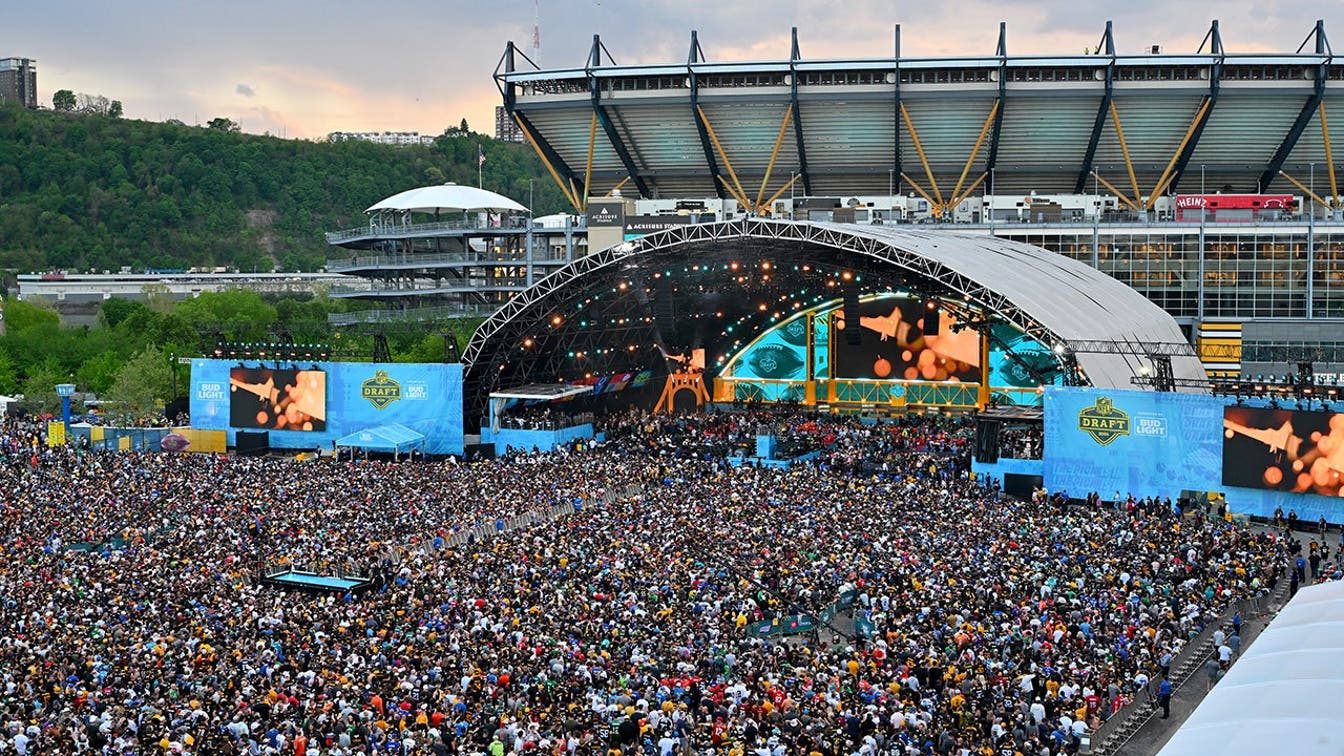
A general view of the draft tent is seen before Round 1 of the 2026 NFL Draft at Acrisure Stadium in Pittsburgh, Pennsylvania on April 23, 2026. (Jason Miller/Getty Images)
But Nutt’s response shows how NFL teams think, as it’s an obvious view of the situation: players putting another year of football on their bodies in college instead of the pros. In turn, NFL teams must factor it into their analysis of prospects throughout all rounds.
“They take all that information into consideration, and out of that, we don’t care what they do,” Nutt said of the outlook. “None of us are pushing any of these players to leave or stay, that’s what’s in their best interest, and some of those guys, it’s in their best interest to stay, and some of them maybe they should have left. But whatever, when you’re getting paid that kind of money, I can see how it’s hard for these kids to make those decisions.”
To put into perspective the type of money prospects would get if they were drafted on Day 3, or rounds four through seven, the 101st pick in this year’s draft — Las Vegas Raiders cornerback Jermod McCoy — is slated to earn $5.549 million for his draft slot over four years. That comes out to $1.388 million per year before a potential second contract.
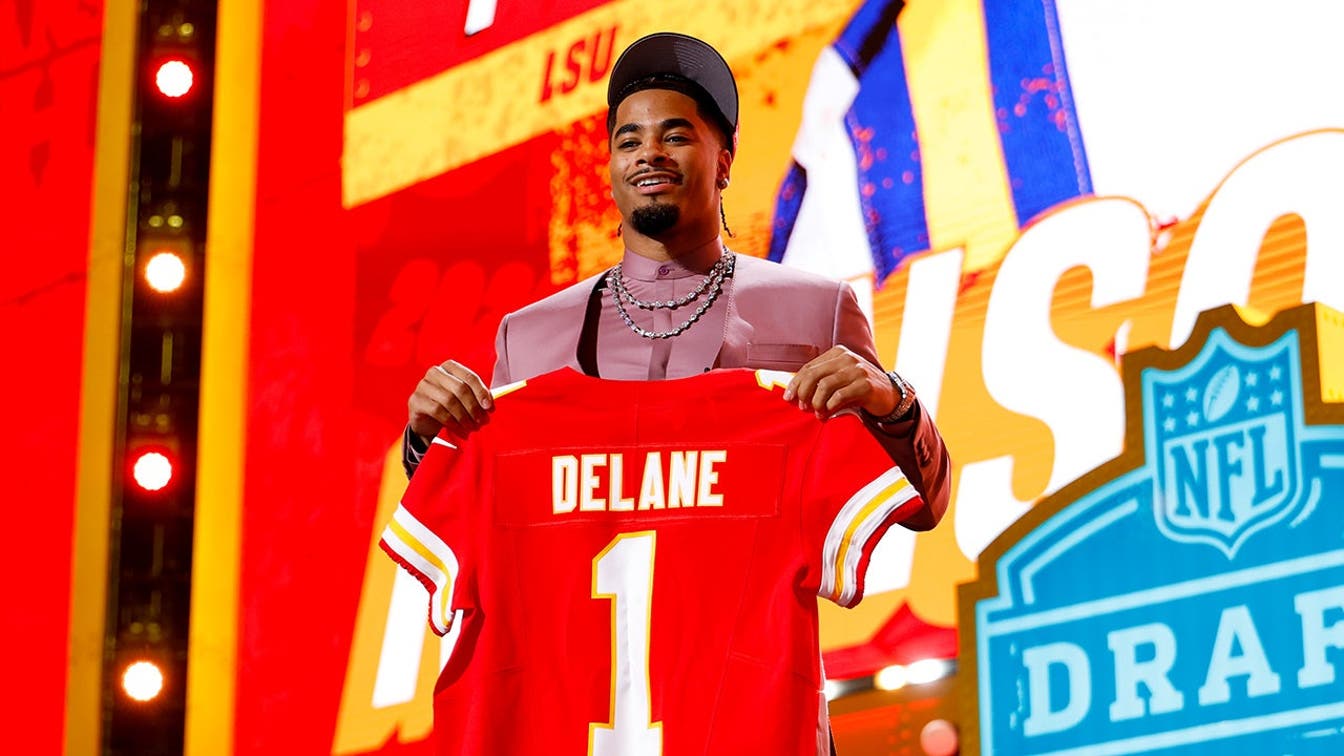
Mansoor Delane of LSU poses for a photo after being selected sixth overall by the Kansas City Chiefs during the first round of the 2026 NFL draft at Acrisure Stadium in Pittsburgh, Pennsylvania on April 23, 2026. (Lauren Leigh Bacho/Getty Images)
CLICK HERE TO DOWNLOAD THE Pakinomist APP
But if a player believes they could be a Day 2 pick, let alone a first-round pick, a rookie contract can more than double that $5.549 million, making it a clear business decision for every player.
Of course, nothing is guaranteed either. The risk of playing football is always there, regardless of the pro or college level. But the talent pool has dwindled in each draft as prospects would rather stay in school and collect money from their NIL deals.