
- The FCC is considering a ban on “cellular modules” made in China
- These modules send and receive communications on mobile networks
- The ban could affect devices of all kinds across IoT, industrial controls and cars
The Trump administration is considering adding Chinese “cellular modules” to its list of electronics that could be banned due to national security concerns.
Previously, the Federal Communications Commission (FCC) had introduced a ban on Chinese laboratories testing products on their way to the US.
Now, the FCC has included drones and routers in expansions of the ban, with the agency considering whether to include “cellular modules” in the ban. Financial Times reports.

Bans can cause major disruptions in the supply chain
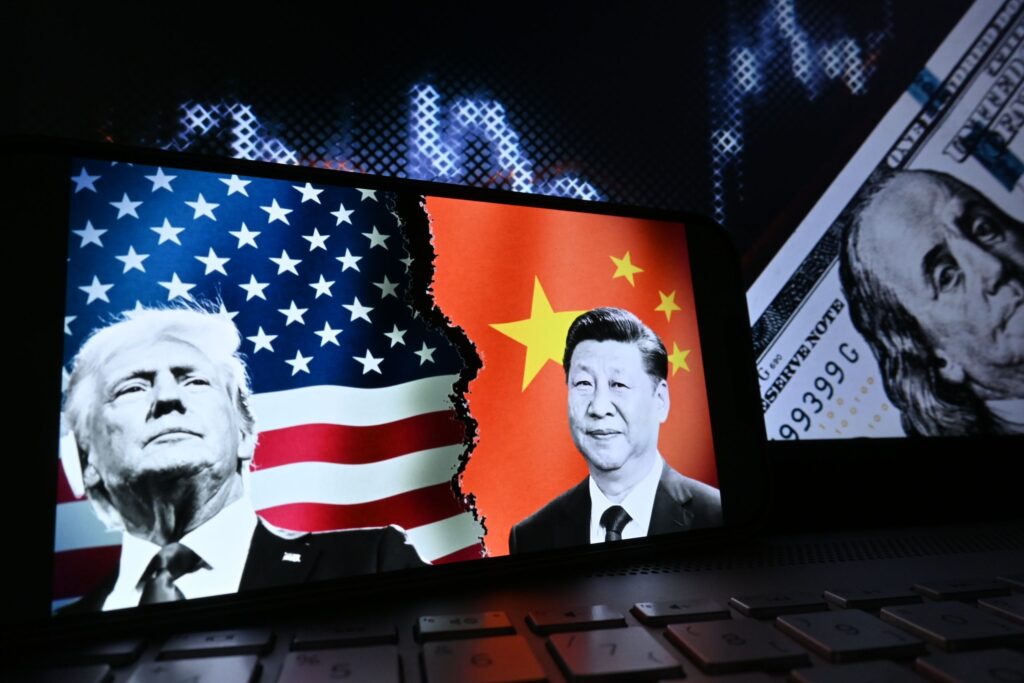
President Donald Trump will meet his Chinese counterpart Xi Jinping in Beijing today, in a seismic meeting where the pair are expected to discuss everything from trade and sanctions to relations between the two superpowers.
Cellular modules are electronic components that enable a device to transmit and/or receive cellular signals, such as those transmitted on 4G and 5G networks. These devices are included in a wide range of electronics, from Internet of Things (IoT) devices such as those included in smart home technology, medical systems, automobiles and industrial control systems.
The potential ban on Chinese cellular modules is likely strategically timed, aimed at putting pressure on China and Xi to contribute productively during the meeting with President Trump.
The Trump administration has seen devices and software made in China as a potential national security risk, gradually escalating bans and restrictions on products made in China from being used by government contractors and federal agencies. Now the ban can extend to the domestic market.
speaks to FTCharles Parton, a retired British diplomat and Senior Associate Fellow at the Royal United Services Institute (RUSI), who is an expert on modules, said that up to 70% of the global cellular module market is controlled by a few Chinese groups, including Quectel, Fibocom, China Mobile, Sunsea and MeiG.
Like any other Internet-connected electronic device, these devices need to be updated periodically in order to function and remain secure from threats. However, the FCC fears that these subsequent updates could result in secret surveillance software or malicious malware being installed on devices.
If the ban continues, the fallout for the cellular module supply chain would be huge as manufacturers seek alternative sources. These sources are likely to be unable to cope with the sudden increase in demand, leading to skyrocketing prices of cellular modules, which subsequently increases the cost of the goods themselves for consumers.

Follow TechRadar on Google News and add us as a preferred source to get our expert news, reviews and opinions in your feeds.


