
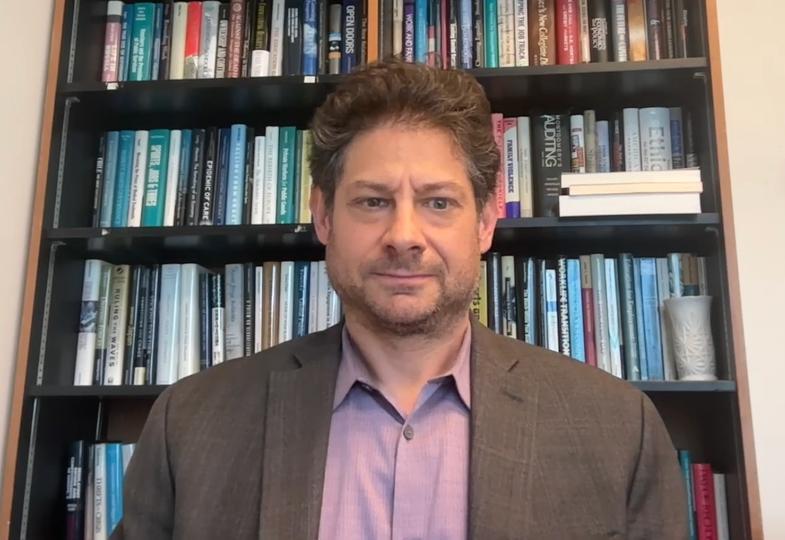
Latest developments: Klein argued that the Commodity Futures Trading Commission faces a dramatically larger mandate as lawmakers consider expanding its authority over digital assets. Klein recently joined Rebecca Rettig and Renato Mariotti on CoinDesk’s The Policy Protocol.
- Klein said the CFTC was originally created to oversee commodity futures markets and was not built for the scope of liability envisioned under current crypto legislation.
- He warned that giving the agency new powers without additional staff, funding and expertise could create the appearance of regulation without meaningful oversight.
- Klein expressed concern that regulatory capacity has been weakened by staff departures and structural changes at the agency.
What this means: The debate over the Clarity Act is increasingly becoming a debate about whether the CFTC can effectively control crypto markets.
- Klein said one lesson from the Dodd-Frank era is that assigning large responsibilities across multiple regulators can create delays and confusion.
- He argued that fragmented oversight risks repeating past regulatory failures if agencies lack the resources or will to enforce regulations.
- Klein compared these risks to flaws he believes contributed to past financial crises.
The controversy: Klein sharply criticized claims that political influence affects financial regulation.
- Citing a New York Times report discussed during the interview, Klein said regulators should remain independent of political interference.
- He argued that enforcement decisions should not be influenced by relationships with the White House or political figures.
- Klein described the current environment as unusually permissive of financial misconduct and called for stronger accountability.
Reading between the lines: Klein sees a long-term solution in closer coordination between US market regulators.
- He said the United States is unusual in maintaining separate capital markets regulators through the SEC and CFTC.
- Klein argued that merging the agencies would ultimately make sense, though he expressed skepticism that Congress is prepared to pursue that path.
- Meanwhile, he praised reports that SEC and CFTC staff may share office space, saying physical proximity can improve cooperation more than formal agreements.
What comes next: The regulatory structure can become as important as the rules themselves.
- Klein said that memorandums of understanding between agencies often do not provide meaningful cooperation in practice.
- He argued that stronger coordination mechanisms and operational integration would better prepare regulators to oversee crypto and prediction markets.


