
DJI has just launched the Lito series, a new series of camera drones launched in the entry-level market. With all the usual safety and flight technology we’ve come to expect from DJI drones, plus well-specced 4K cameras, the Lito 1 and Lito X1 are very safe entry-level models for the price.
But they are not DJI’s cheapest quadcopters. The DJI Mini 4K has been around since 2024 and has been our pick for best entry-level camera drone so far (while the Neo 2 is even cheaper, but it’s a selfie drone type with propeller screens). The Mini 4K remains on sale as part of DJI’s line-up (at least for now), available for considerably less than the Lito X1, plus it can be picked up in the US, where Lito models aren’t available yet.
So should you stick with the cheaper, slightly older drone or go for the shiny new release? Here’s how the DJI Mini 4K stacks up next to its spiritual successor the DJI Lito X1*, starting with specs and then moving on to seven key differences.
*I have tested the more expensive Lito X1, which is my top choice of the two new Lito models. The cheaper Lito 1 is closer in quality and price to the Mini 4K.
DJI Lito X1 vs DJI Mini 4K: Specs compared
If you want a little more data on how the two drones compare, check out the spec comparison table below.
| Row 0 – Cell 0 |
DJI Lito X1 |
DJI Mini 4K |
|
Camera sensor: |
48 MP 1/1.3-inch CMOS sensor |
12 MP 1/2.3-inch CMOS sensor |
|
Camera Lens: |
FOV 82.1º, f/1.7 |
FOV 83º, f/2.8 |
|
ISO range: |
100-12800 |
100-3200 |
|
Video resolution: |
4K |
4K |
|
Frame rates: |
60, 50, 48, 30, 25, 24 fps |
30, 25, 24 fps |
|
Flight modes: |
Cine, Normal, Sports |
Cine, Normal, Sports |
|
Storage: |
42 GB internal, microSD card space |
microSD card slot |
|
Battery: |
2590mAh, up to 36 minutes flight time |
2250mAh, up to 31 minutes flight time |
|
Max horizontal speed: |
18 m/s |
16 m/s |
|
Max wind resistance: |
10.7 m/s |
10.7 m/s |
|
Charger type: |
USB-C / battery charging hub |
USB-C / battery charging hub |
|
Weight: |
249g / 8.8oz (Approx.) |
246g / 8.8oz (Approx.) |
|
Dimensions: |
149 x 94 x 62 mm (folded) |
138 x 81 x 58 mm (folded) |
1. Video and photo quality
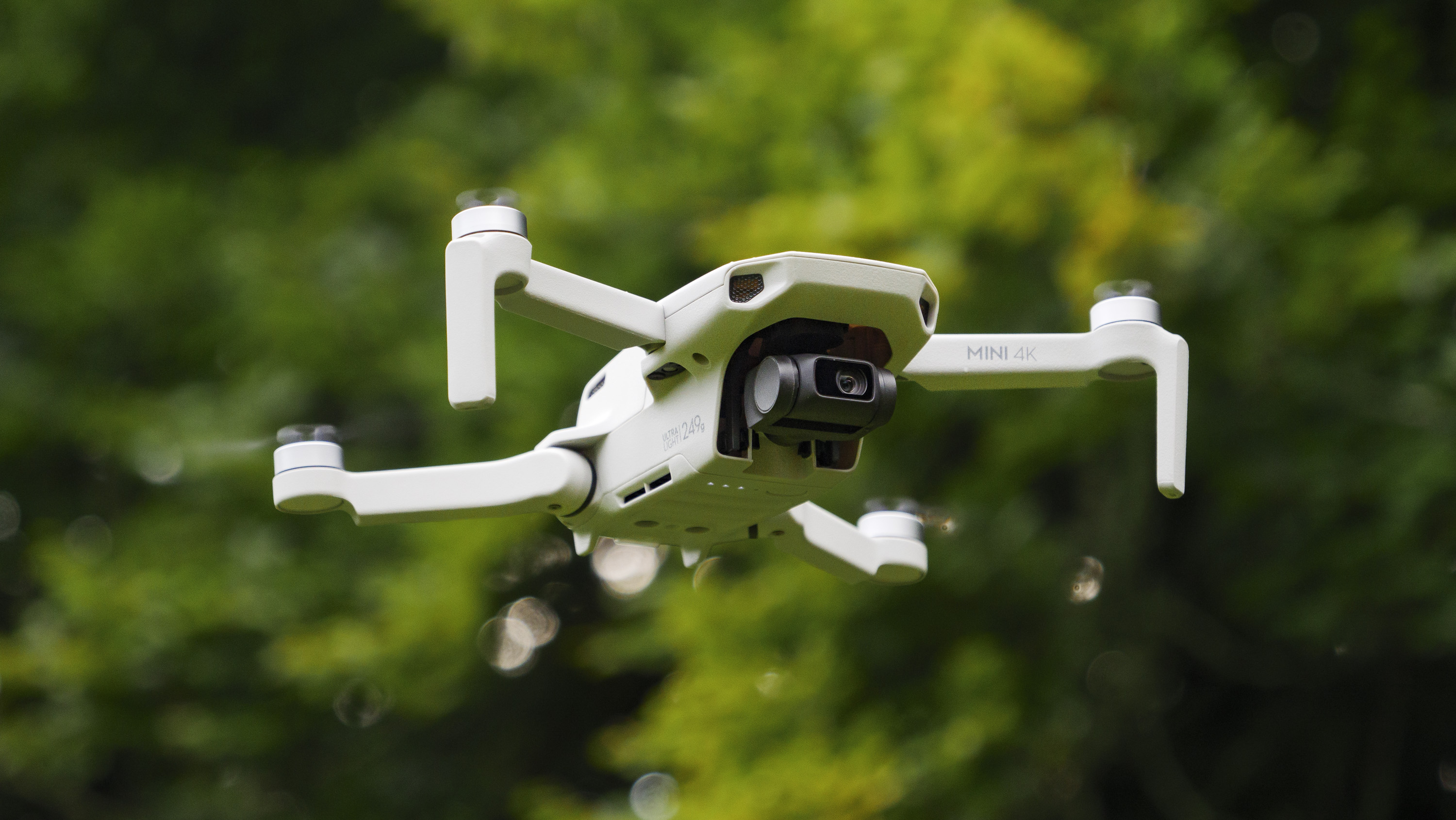
Both drones record 4K video, but the Lito X1 records a much better selection of it. Its 1/1.3-inch sensor can record footage at up to 4K resolution and 60 fps and supports a 10-bit D-log M color profile – features that will be extremely useful for anyone who likes to color grade and correct their footage in post-production. It can also take 48MP photos.
The Mini 4K uses a much smaller 1/2.3-inch sensor that records 4K in 8-bit quality and up to 30 fps. It’s fine in good lighting conditions, but lacks the detail, color depth and dynamic range of the Lito X1’s setup. Its maximum resolution for images is 12 MP.
2. Storage space
The Lito X1 comes with 42GB of built-in storage as well as a microSD card slot, while the Mini 4K (and Lito 1) has no internal storage – only the card slot.
3. Weight and design
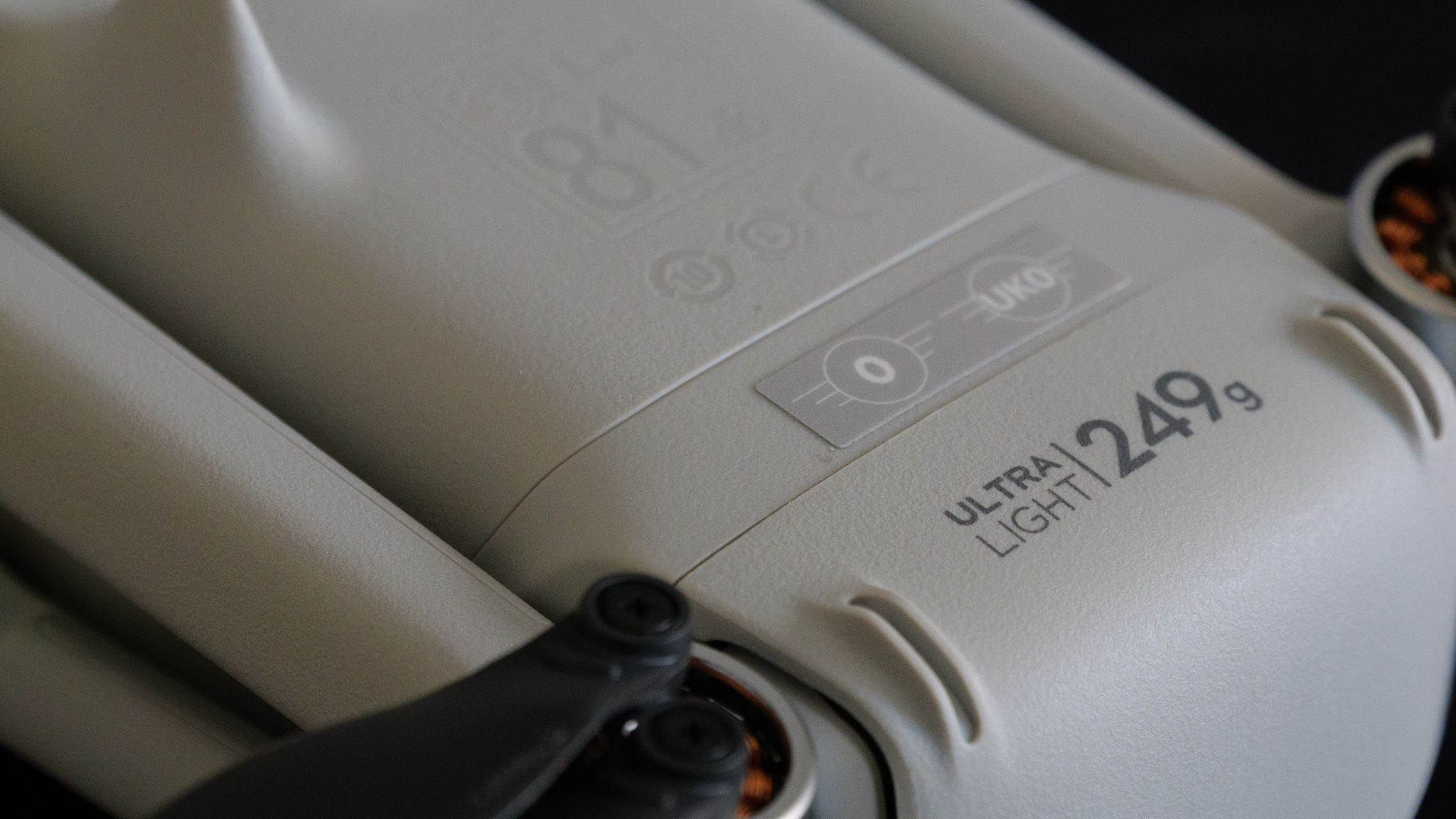
Both drones weigh approx. 249g, which places them in a highly desirable low-restriction category in most countries. In the US, for example, you don’t need to register any of the drones before flying (assuming the Lito X1 ever makes it to the US), while in the UK you can fly them close to and over uninvolved people and in residential, commercial and recreational locations such as cities, beaches and parks.
In terms of design, both drones use a familiar folding quadcopter shape that is easy to store and transport.
4. Battery life
There isn’t much daylight between the drones here. Under ideal conditions, a fully charged battery on the Mini 4K offers up to 31 minutes of flight time. On the Lito X1 it is 36 minutes. In real-world conditions, you’ll get a little less time in the air, but I’d call both pretty respectable.
The Lito X1 is compatible with an Intelligent Flight Battery Plus, which DJI says provides up to 52 minutes of flight time. However, this will increase the drone’s weight above 249g – which in turn may limit where it can be flown.
5. Security features
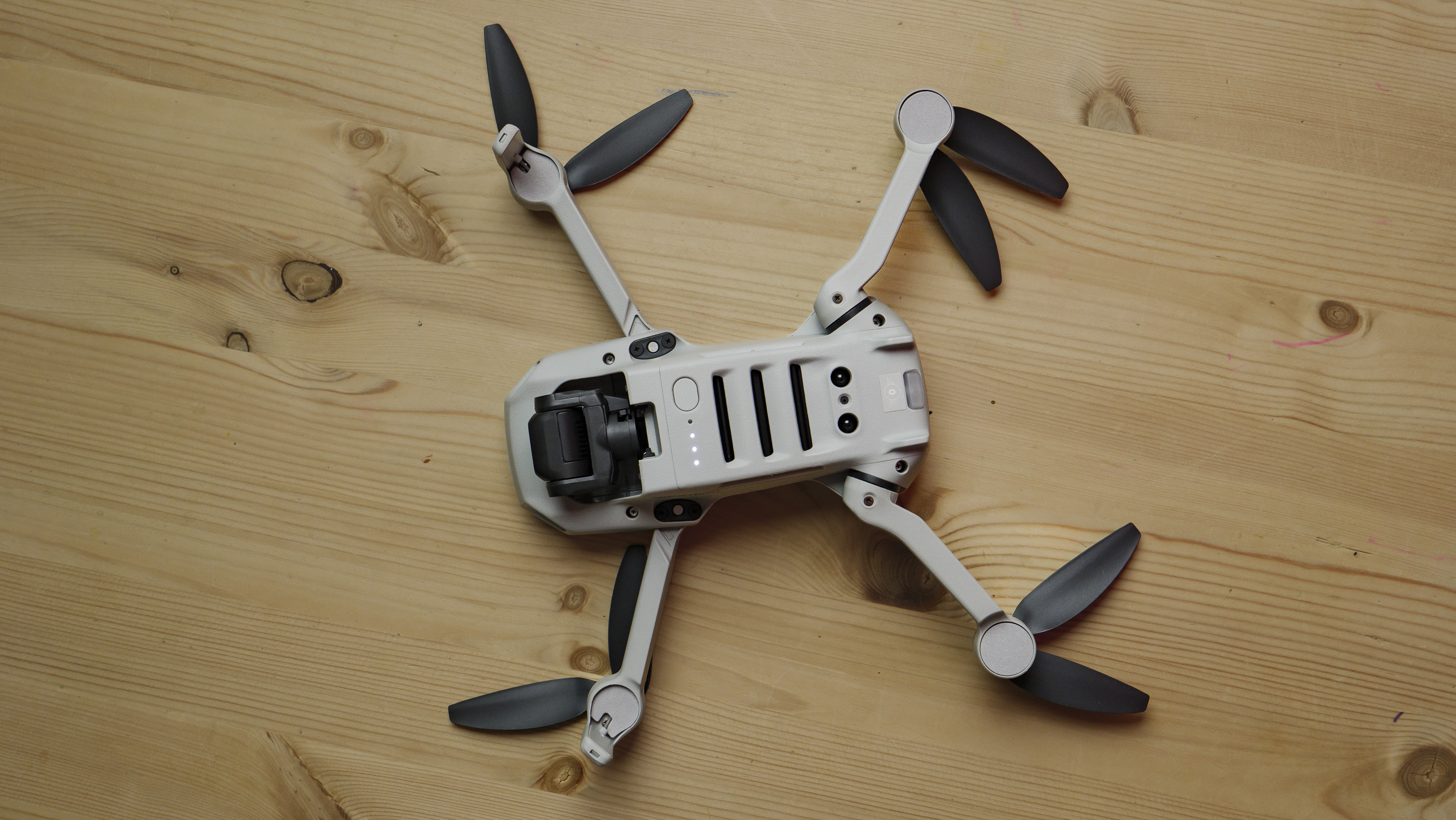
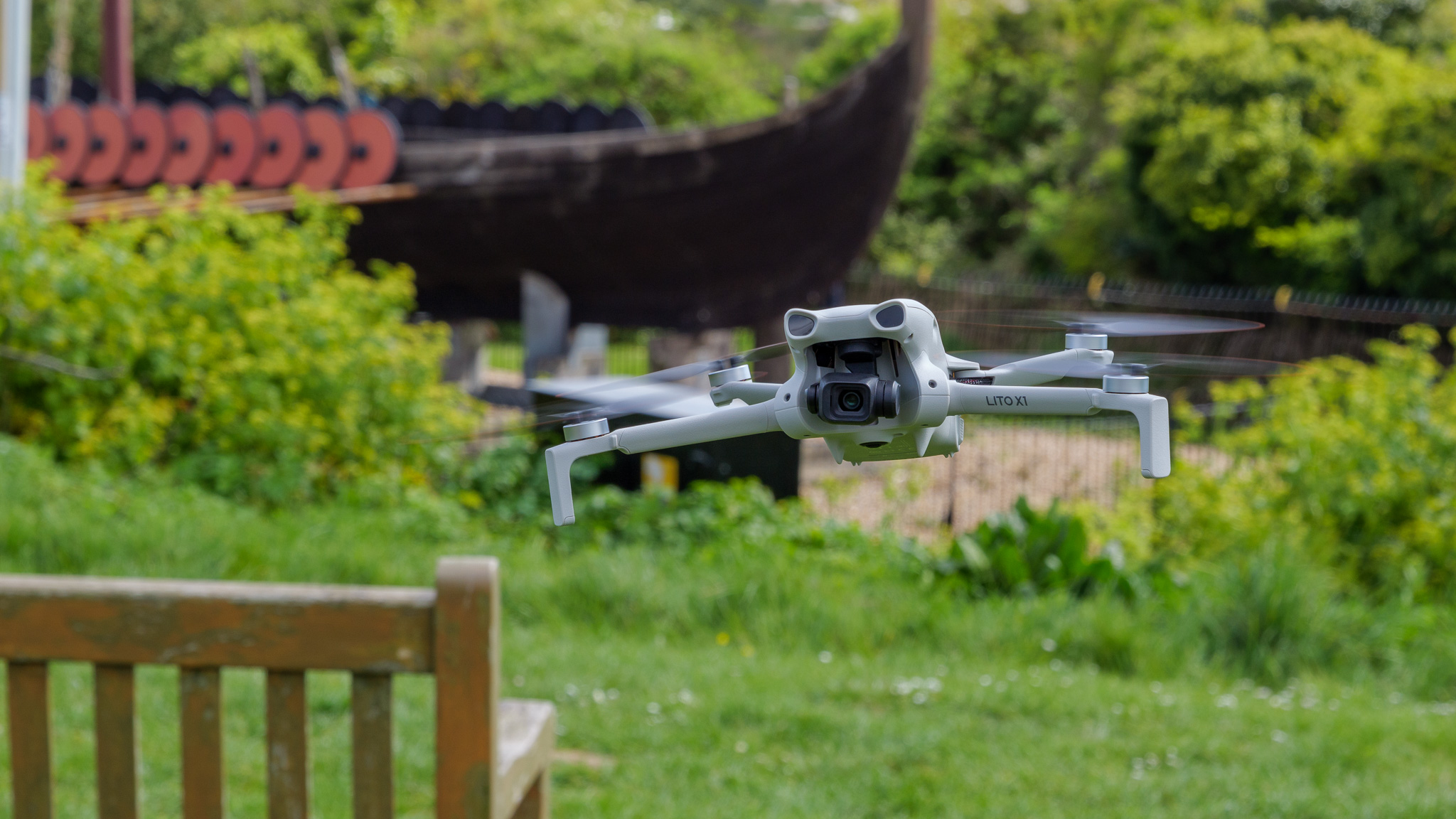
Soaring above and beyond here, the Lito X1 boasts an omnidirectional vision sensor setup plus forward-facing LiDAR and a downward-facing infrared sensor. This helps it find and avoid hazards in whatever direction it is moving, and LiDAR works even in low light conditions.
Mini 4K can’t really be compared. It only uses a single downward-facing vision sensor (mainly for landing), so users need to be careful when flying – the drone doesn’t help them by braking or swerving around a tree, fence or lamppost.
Such advanced security features as the Lito X1 offers are usually found in much more expensive and heavier models. It’s understandable that you don’t usually get an omnidirectional vision sensor in a cheap entry-level model, but the irony is that it’s beginners who will undoubtedly benefit the most from the feature.
6. Special modes of flight
The Lito X1 comes with a host of automated flight modes, including ActiveTrack (where the drone will autonomously follow a selected person or vehicle and avoid obstacles while doing so), SpotLight (similar, but with manual flight controls while the camera keeps the subject centered), MasterShots (a series of interesting cameras move on a selected subject or location) and a quick button, but once), return to home.
The Mini 4K only offers QuickShots and return-to-home, which makes it feel pretty barebones on the Intelligent Flight front.
7. Price
Here’s the one area where the Mini 4K gets to shine, as it starts from just £242 (with an RC-N1C remote). The Lito X1 costs £369 (with the similar, but newer, RC-N3 controller), making it quite a bit more expensive than its predecessor.
However, I think the extra camera, security and Intelligent Flight Mode features offered by the Lito X1 make it very good value. Not only will your footage and photos look sharper and richer, but you’ll be far less likely to crash them – and you can set it to automatically follow you as you cycle through a forest, run along a beach or even drive down a desert highway! The Mini 4K remains a decent entry-level drone, but if your budget can stretch a little further, the Lito X1 has plenty that will appeal to intermediate users as well.
Hit me up with any questions you have about the new DJI Lito X1 and the best beginner drones in the comments below.

Follow TechRadar on Google News and add us as a preferred source to get our expert news, reviews and opinions in your feeds.


