
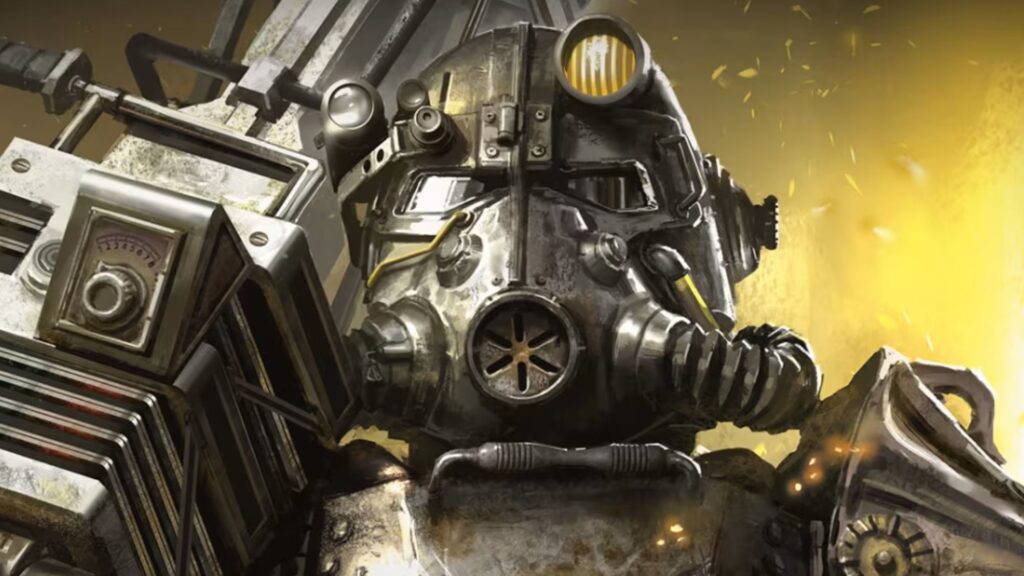
- Fallout Co-creator Timothy Cain says some players adopt their opinions from the influencers they see
- Cain says players don’t make up their own minds and “look to influencers to tell them how to think about the games”
- The veteran developer adds that he is “concerned” about the future of video game discourse
Timothy Cain, co-creator of Fallout and co-developer of The outer worldshas shared his opinion about online discourse and how some players can no longer form their own opinion about games.
In a new video titled ‘How The Internet Changed Game Design’ on his own YouTube channel, Cain discussed how game criticism has changed over the years in response to a subscriber who asked how social media and live streaming have changed game design (via VGC).
The developer began by suggesting that some developers design their games with social media clips in mind, specifically how the big moments, like movies, would look to the player streaming the game and the audience.
The article continues below
“A lot of designers like myself often thought, ‘Well, what’s a certain event in the game going to look like when someone plays it live or records themselves playing it to put it up as a stream?'” Cain said. “We thought about movies. We thought about final bosses. We thought about unusual weapons you could get.
“And because of that, we wanted it to look really good in video. And that’s one of the reasons why particle effects became a big thing, because you didn’t want to just go ‘boom.’ You wanted a big explosion, and you wanted it to be beautiful and colorful and all these things, especially in a clip, because people will see it on some channel where someone is talking about the game, and they really see that clip, and now they want to play the game.”
Cain continued, saying that developers are now thinking about their games, e.g. how they think about interviews with the media, and explained that they would have to come up with sound bites for quotes that would generate interest in the game.
“When you went to an interview, you were like, ‘Okay, I’m going to have some sound bites ready, so when I’m quoted, I want to make sure the sound bites are quoted.’ Now it’s like, ‘What part of our game would make good clips for influencers to show?'” he explained.
Look at
Cain went on to suggest that influencers, such as YouTubers, are no longer places people look for advice on gaming, and is concerned that some viewers are now looking to adopt opinions rather than form their own.
“Now we’re in the 2020s, and a lot of gamers don’t even look to influencers for reviews. They look to influencers to tell them how to think about the games. So people aren’t forming opinions from the online video. They’re being handed an opinion from the online channel they’re watching,” Cain said.
“That means I’ve seen reviews go from “this game has less combat and more puzzles and dialogue for you to interact with than this other game” to “this game is stupid and slow paced and made for casual, I think you should skip it”.
“It’s a huge difference in how games are presented. But more people go for the latter. They say, ‘I don’t have time. There are too many games. Just tell me if I should buy it. Tell me if it’s for me.’ So they find someone they just like, and then that person’s opinion becomes their opinion.”
Cain said there can be an advantage to influencers offering players advice about a game, which he calls a “positive side” for someone with the same preferences and a guide to finding new games, but there are more examples today of viewers repeating what influencers have said without thinking for themselves.
“That’s how I look for game reviewers myself,” he explained. “I look at their reviews for games I already know. If they like the ones I liked and didn’t like the ones I didn’t like, then I’ll trust them going forward on reviews of games I haven’t played yet.
“But the negative thing about this is that more and more people seem to abdicate their own judgment to who they see online. It’s like, ‘I don’t want to think about it, you tell me what to think about it.’ this, and now they just quote without any attribution in a comment.’ Sometimes even when it doesn’t apply, which just makes me go ‘do they understand why the person said that?'”
The veteran developer added that he’s “concerned” about the future of video game discourse and doesn’t know what the 2030s will look like, but it will go “one of two ways because the pendulum is always swinging.”
He concludes that either things will “become even more tightly controlled in bubbles,” suggesting that these players will stick to seeing one or a small group of influencers, “and all their thoughts will be guided by these people,” or “maybe the next generation will get tired of it. Get tired of all the labeling and get tired of all the things that are put in a box.”
“‘I defined a box and this game is in this box and I don’t want to see it any other way,'” he said.
“I’m curious about where it’s going. The internet basically allows the pendulum to swing really far and really fast like that. So I don’t know where the 2030s are going to go, but that’s what’s happened with game design and online influencers and social media over the last 4-5 years.”

Follow TechRadar on Google News and add us as a preferred source to get our expert news, reviews and opinions in your feeds. Be sure to click the Follow button!

The best Xbox controllers


