
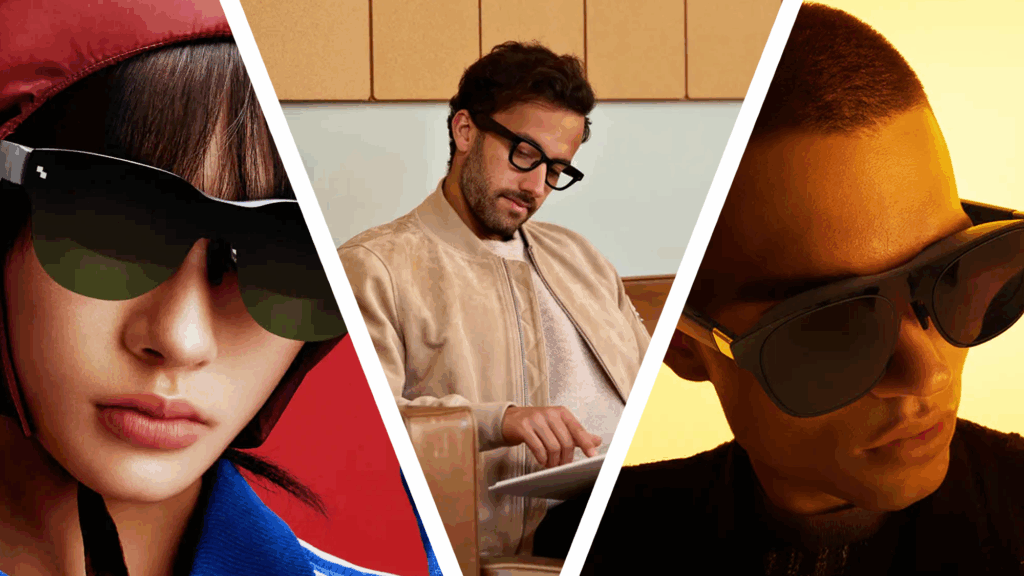
Google I/O is less than a day away, and the annual software show would be the perfect opportunity for Google and its partners to showcase their 2026 Android XR technology: the XR glasses we’ve been promised will land this year.
Google is no stranger to smart specs, but since the rapid rise and fall of Google Glass, we’ve seen glasses like the Ray-Ban Meta take smart specs by storm, and now the old king wants his crown back. But with Google taking a software-centric approach — letting others handle the hardware — it makes sense that this new generation of smart glasses would land at a software show like I/O.

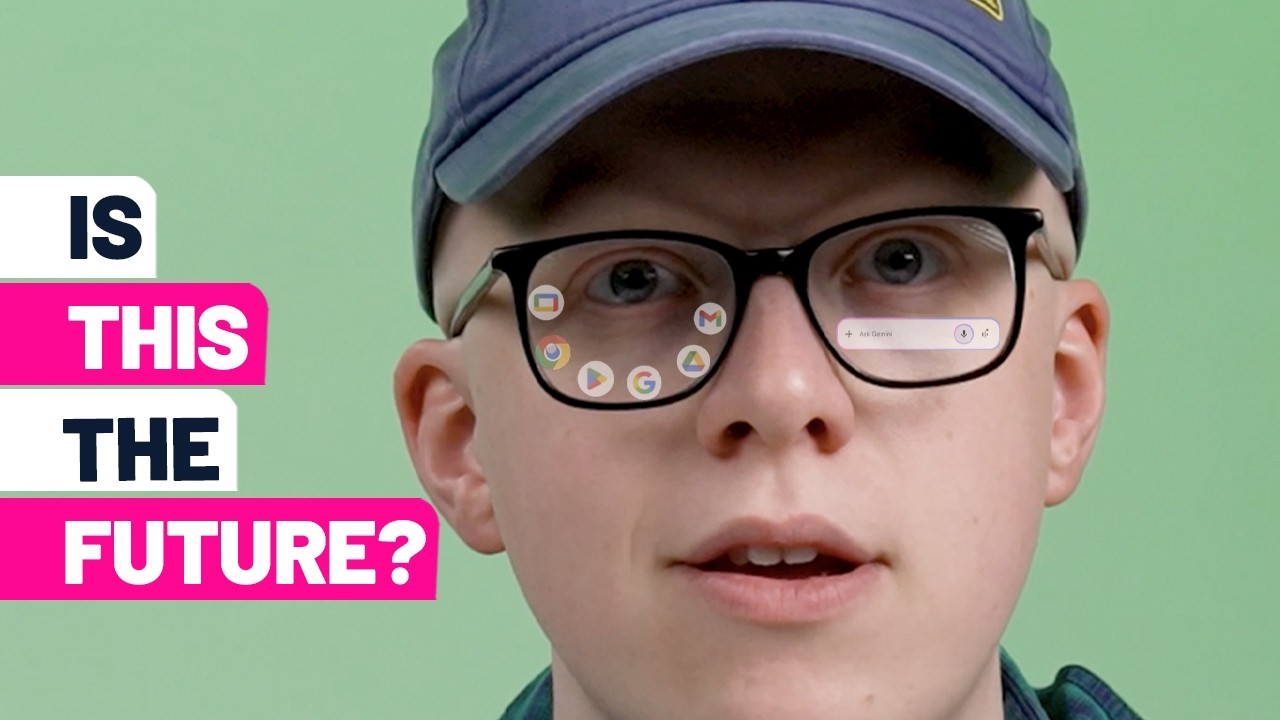
Look at
Let’s download Xreal
I love the Xreal’s specs and have for a while – if you want a pair of XR glasses, you’ll struggle to beat the Xreal One Pros. So I’m especially excited to see the final version of their Project Aura Android XR glasses, and they’re also the pair we’re most likely to find at Google I/O (because unlike Samsung, the Xreal doesn’t have its own high-profile tech events on the calendar).
The big difference between Xreal’s Aura glasses and some other AI smart glasses we’ve seen is that they’ll be wired. This matches Xreal’s XR approach with previous models and offers some design advantages, but also some limitations.
Without an internal battery, the Project Aura glasses should feel lighter and less bulky, but they will need to run from a connected device (in Aura’s case, a dedicated computer puck that doubles as a trackpad and a battery pack), and will be best suited for stationary activities (working and watching TV) rather than being used on the go.
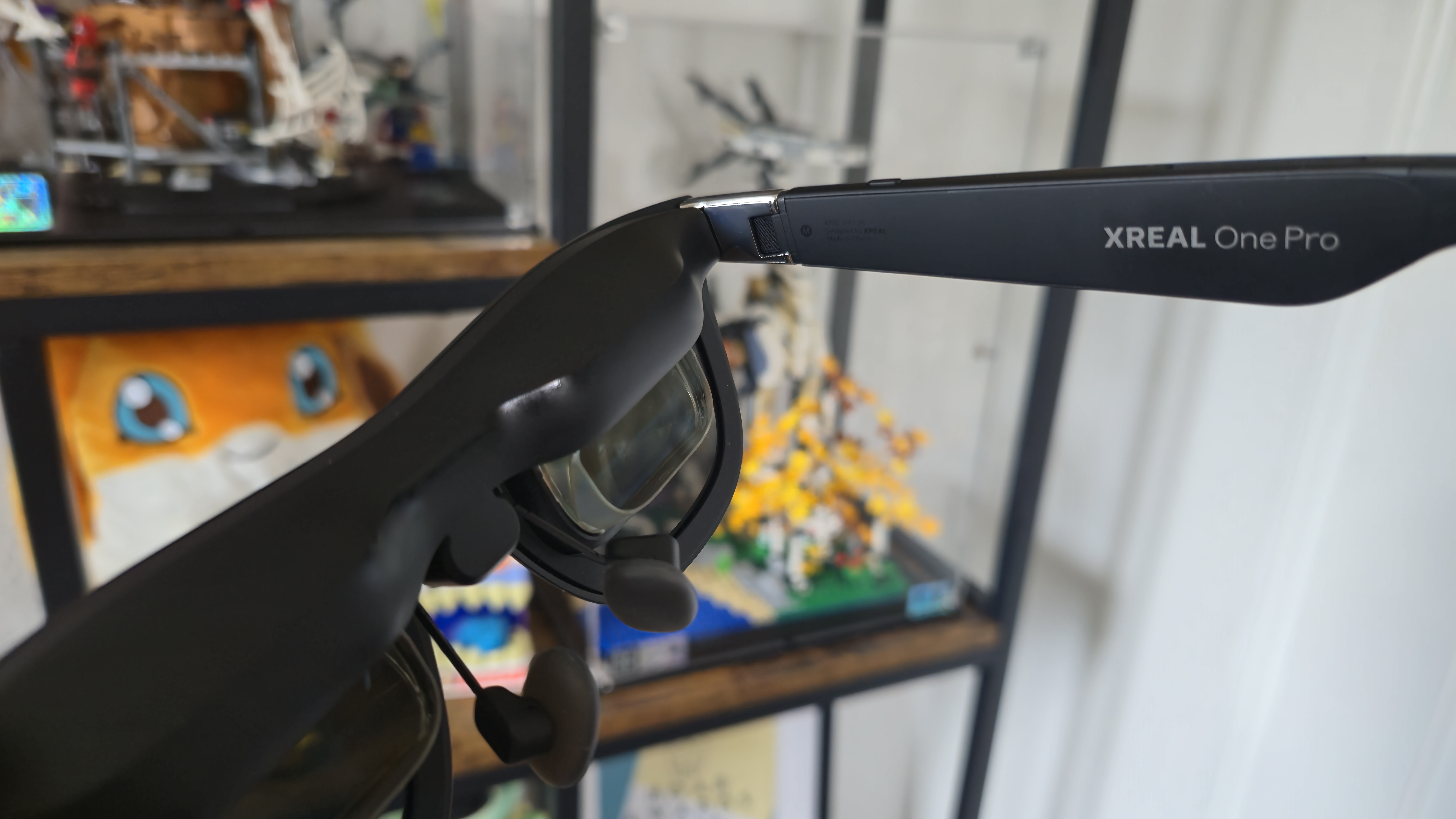
This approach may not be as mobile as the Ray-Ban and Samsung AI or AR specs, but should be much more capable where it counts. The glasses virtually project a giant screen in front of your face, like your own private cinema, and boast the same excellent optics as the Xreal One (so expect excellent OLED contrast and color, a wide field of view comparable to reflective reflections on the market, and fewer disturbing reflections on the market). Whether you want a virtual screen to work across multiple windows at once, or an immersive portable cinema for your face, the Xreal One pro glasses are the one to get because of these optics.
Where the Aura improves upon the current design is that it includes cameras as standard for hand and object tracking. It’s a bit more basic than the Samsung Galaxy XR headset’s system, as Xreal lacks eye tracking, but it should make your Android XR experiences feel more interactive than Xreal’s previous technology.
The problem is that I expect these specs to be expensive. The Xreal One Pros launched at $649, with a camera Xreal Eye add-on costing $99. The puck also resembles the Beam Pro and will likely add a few hundred to the price, meaning we might be lucky if the Xreal’s Aura comes in under $1,000.
Samsung steals this show?
While I think Samsung will focus on its own launch event — perhaps tying its smart glasses release to its annual foldable event, which typically takes place in a few months — there’s a chance it will debut its glasses at I/O instead. Not just a couple, we might see two.
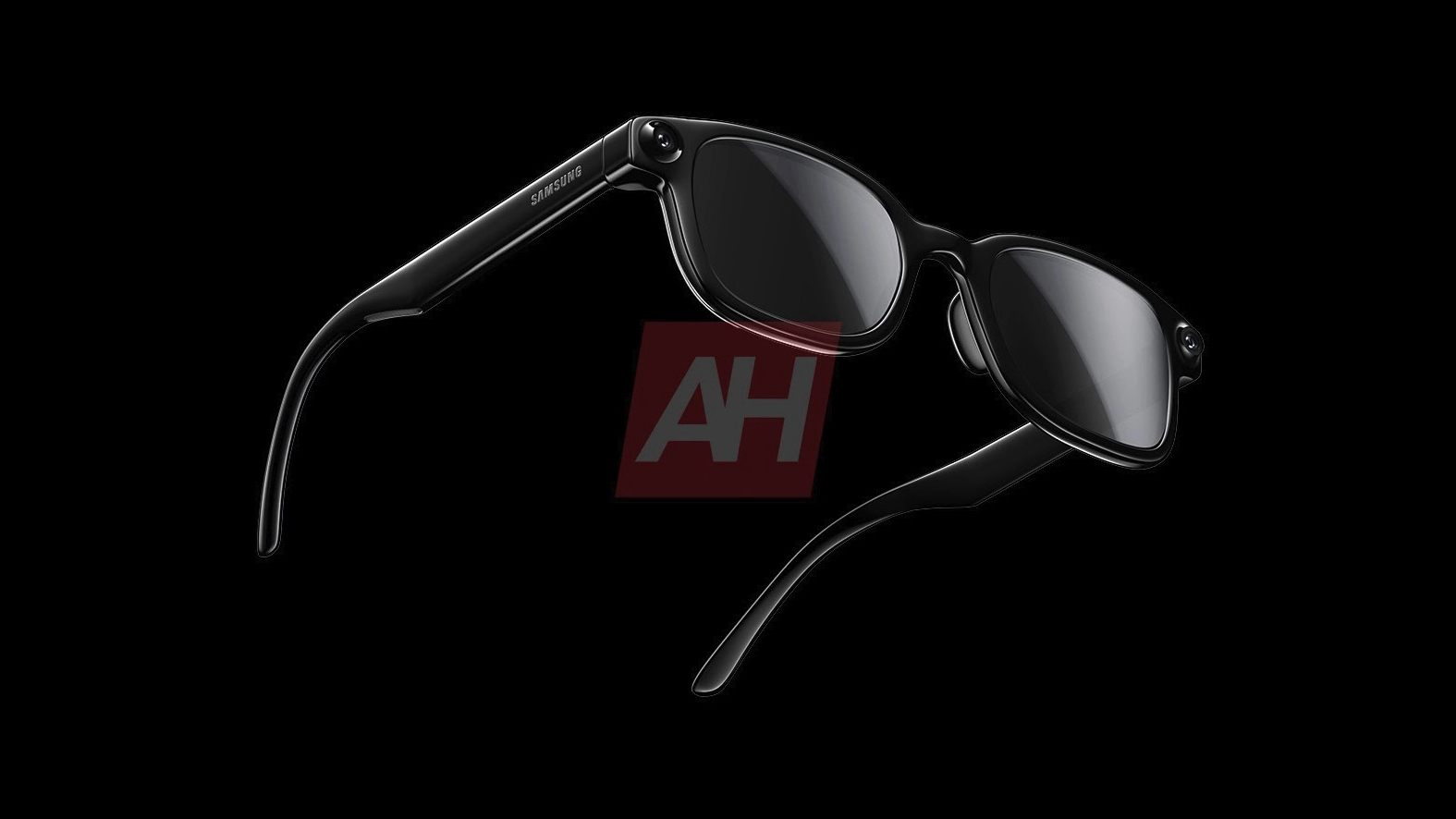
The first would be a more standard AI-focused design with a camera, speakers and microphones, but no screen, just like the basic (but impressive) Ray-Ban Meta specs.
Speaking of which, the design was recently leaked and they are strikingly similar to the Ray-Ban model. The only difference we know so far is that they will rely on Gemini instead of Meta AI, which is generally agreed to be a more capable assistant and has better interoperability between the core Android apps for more personalized contextual responses.
Based on my experience with Ray-Ban smart glasses, AI assistance can be super handy, especially as a tourist. With a better understanding of my schedule through my calendar or the context of the photos I’ve taken with my phone, I hope the Gemini-powered specs can offer better day-to-day use.
Best of all, Samsung’s specs should also be reasonably affordable. These smart glasses are said to cost between $379 and $499, which puts them roughly in line with Meta’s pricing — though we’ll have to wait and see what Samsung announces to know for sure, pricing has been overdue thanks to various global economic challenges.
As for Samsung’s other pair of specs, they would be practically the same but with a display.
Now, leaks and rumors suggest that the display model won’t actually land until 2027, but I expect them to get some time in the spotlight if the screenless specs are revealed – partly to build excitement and prove that Android XR has a long-term plan (to dispel fears that this is Google Glass 2.0), and partly to get Samsung not looking too far behind with its Ray-ban technology in the US to buy the technology in USA.
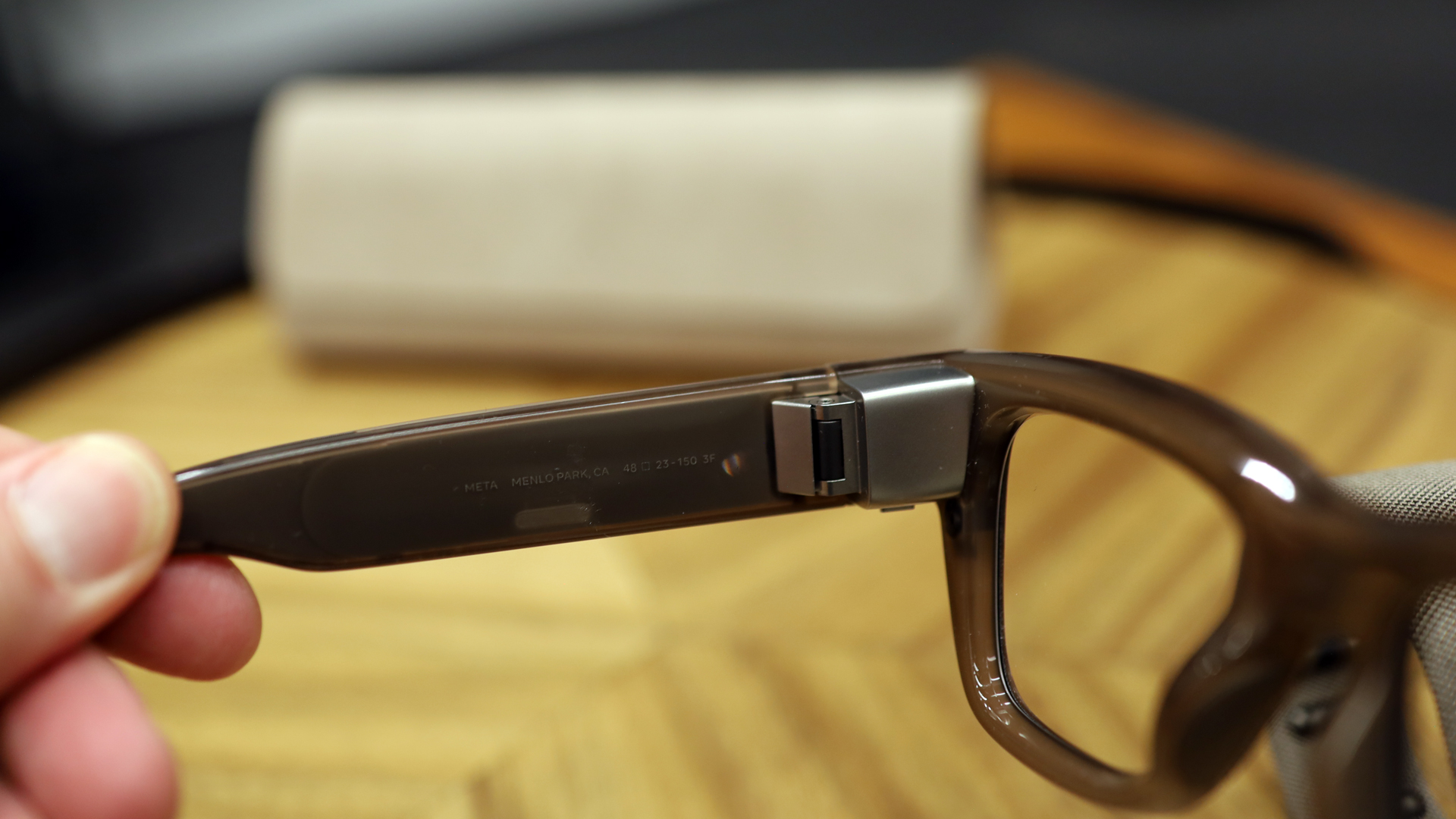
It’s frustrating that we might have to wait a little longer for these display glasses, but given the supply issues the Meta has had with its version and the high price, Samsung’s delay could mean it can give us a more reliably accessible and affordable version of this exciting new technology.
Strut your stuff
Finally, my bold Google I/O prediction: We’ll get an XR fashion show with models strutting down the runway in Gucci, Gentle Monster and Warby Parker chic specs.
In the same way that Meta has partnered with EssilorLuxottica’s Oakley and Ray-Ban, Android XR companies are partnering with fashion brands to bring style to their specs.
Given how much eyewear can play into a person’s visual identity, a fashion focus is key, and offering a variety of looks is key to capturing different wearers and use cases – just look at Meta, its Ray-Bans are great for everyday wear and casual vacations, while its Oakleys are perfect for athletes.
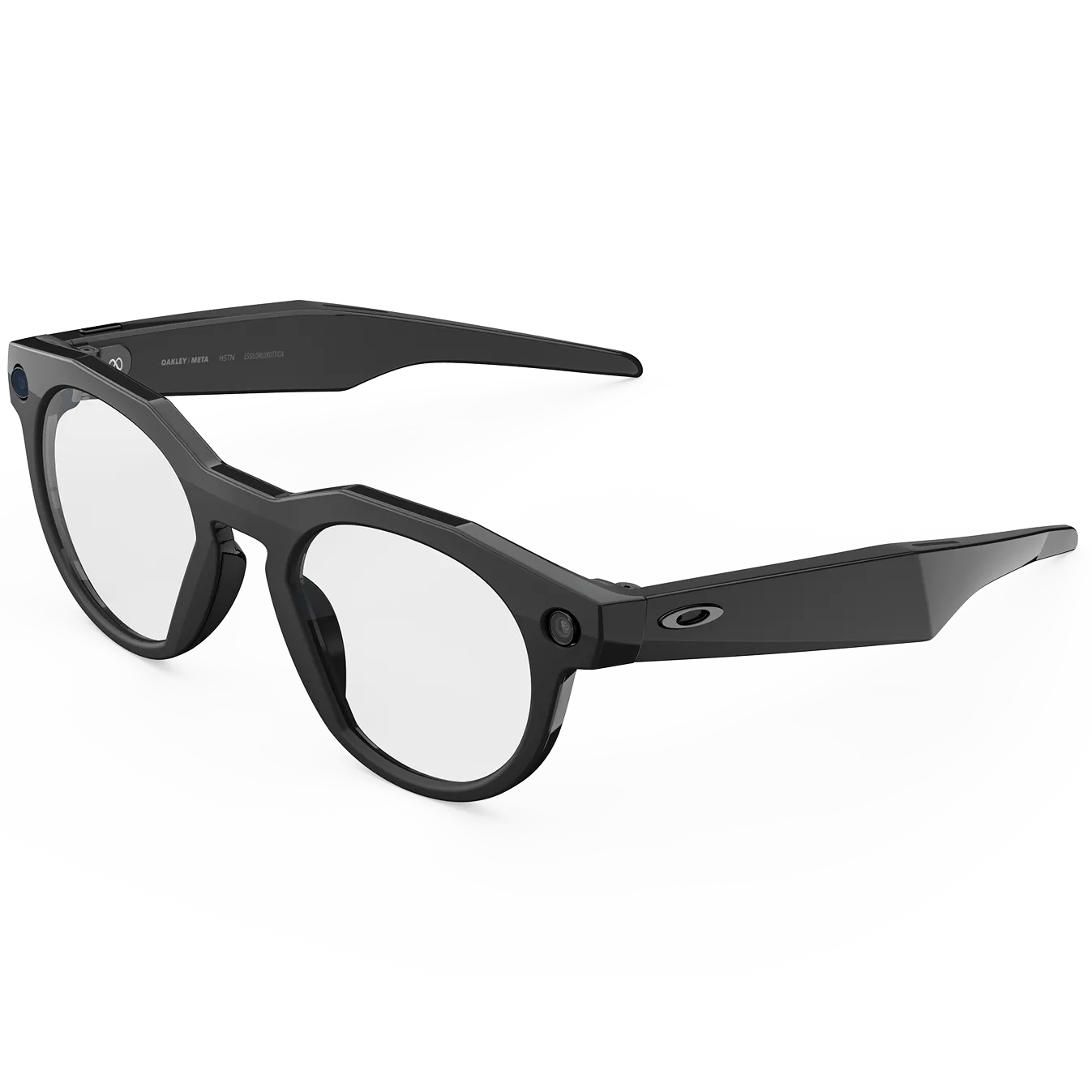
With a wider range of brands and, hopefully, styles under its belt, the Android XR looks set to have an edge over the Meta again, and a fashion show moment would be the perfect way to highlight the range it’s set to offer.
Plus, Google has shown it’s not afraid to mix things up with its events — last year’s Made by Google Pixel 10 launch show was hosted by Jimmy Fallon and featured a large cast of celebrities and segments that felt more like a variety show than a tech keynote.
So I’m hoping we’ll see some fun smartglasses showcases, though I’ll admit my fashion show pitch might be a little out there—and that’s assuming Google, Gentle Monster, Gucci, and Warby Parker are even ready to showcase their designs.

Follow TechRadar on Google News and add us as a preferred source to get our expert news, reviews and opinions in your feeds.


