
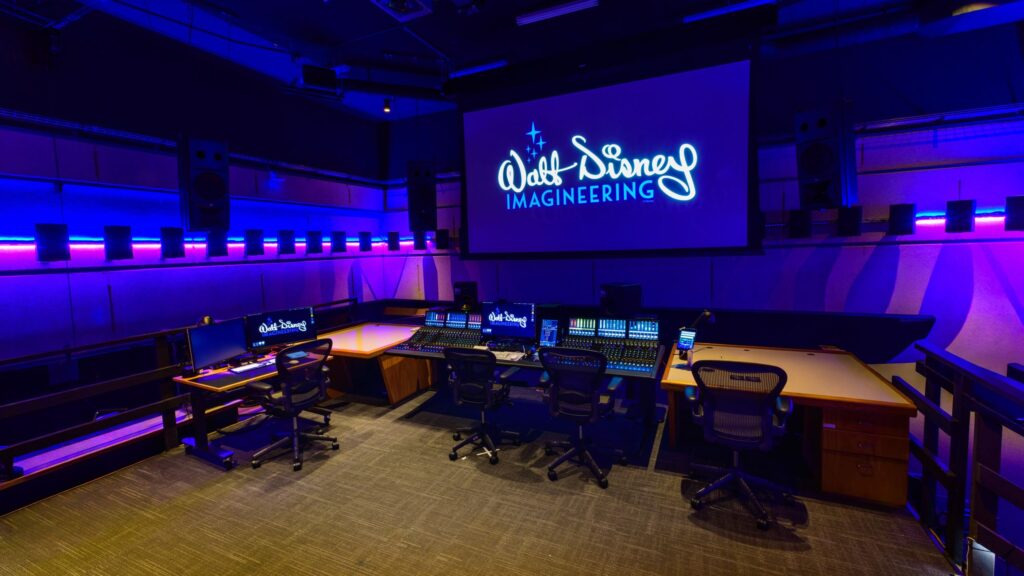
Venture deep into Walt Disney Imagineering’s sprawling, surprisingly unassuming Glendale campus, and you’ll eventually find Studio C.
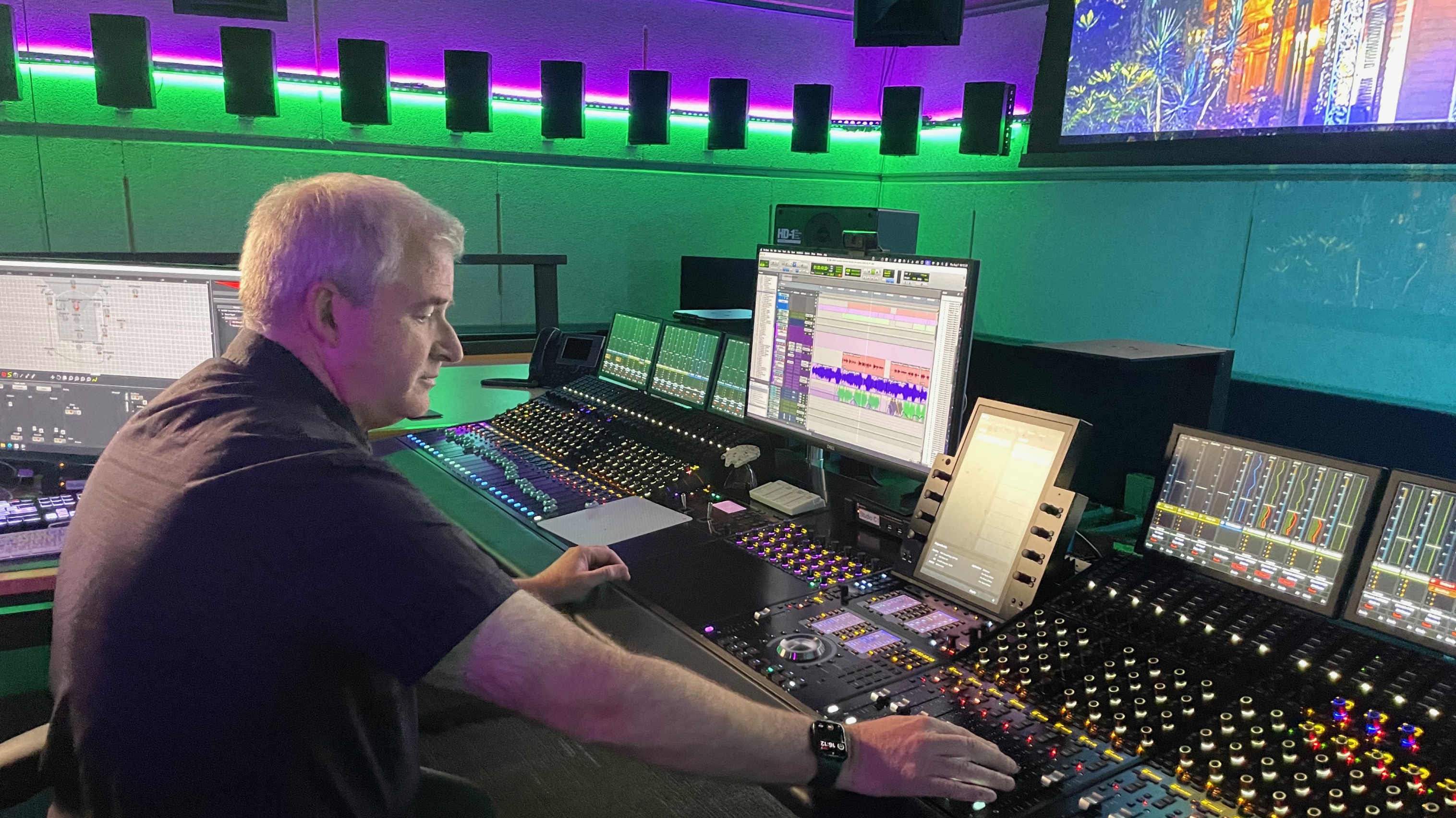
This is where Imagineering mixes the sound for its attractions, but when I stepped inside recently, I quickly realized it was much more than a recording studio. The room is lined with dozens upon dozens of speakers designed to recreate the sound field of Disney attractions, so Imagineers can hear a ride long before guests ever do.
During my visit I saw a live mix session too Zootopia: Hot PursuitShanghai Disneyland’s trackless dark ride and the experience was almost eerie. The sound moved seamlessly around the room and tracked the vehicle as if I was actually inside the attraction.

That same room became the proving ground for one of Imagineering’s most unusual technical challenges to date: figuring out how to mix the sound to Soarin’ Across America.
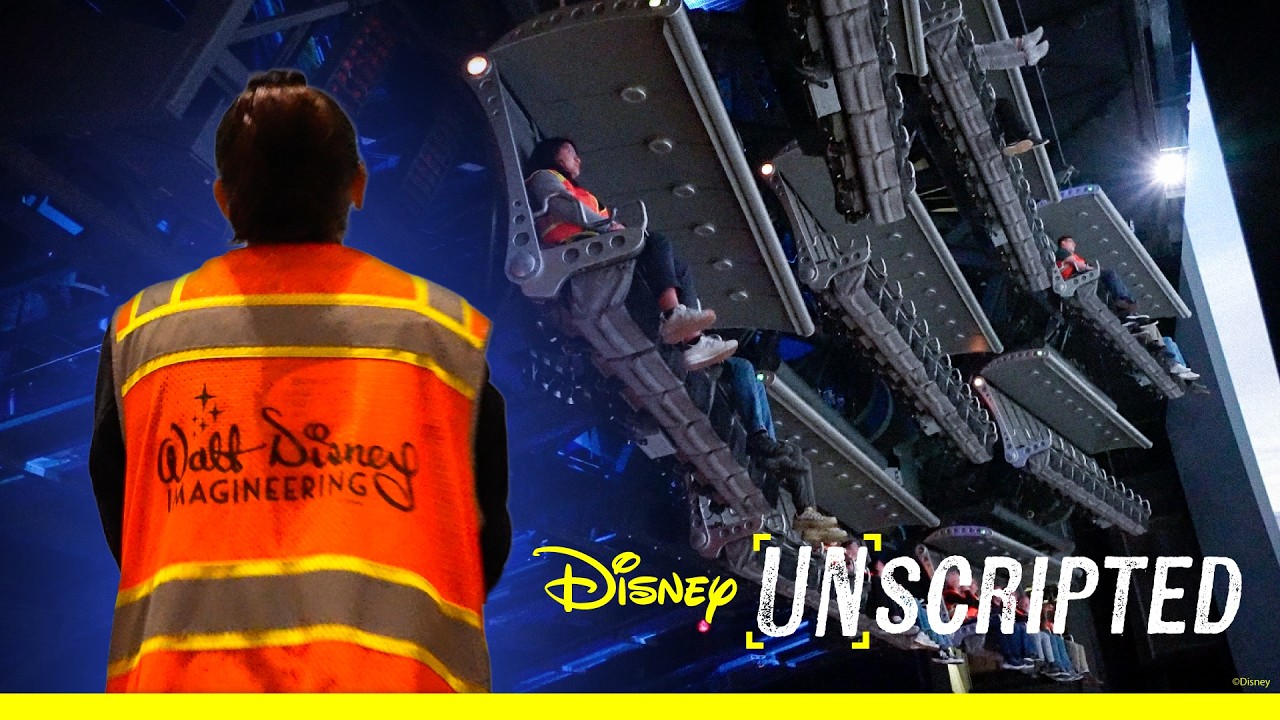
The reimagined version of Disney’s iconic flight simulator debuted this summer at both EPCOT in Walt Disney World in Orlando, Florida, and Disney California Adventure in Anaheim, California, in time for America’s semi-annual anniversary. Disney’s Unscripted behind-the-scenes video confirmed that Imagineers used Apple Vision Pro during the production of Soarin’ Across Americabut it left an obvious question unanswered: why? That’s what I wanted to find out.
So I spoke with Greg Lhotka, Senior Manager, Audio Media Design at Walt Disney Imagineering, who walked me through the surprisingly complicated process behind mixing one of Disney’s most technically demanding attractions.
“Before Soarin’ Across Americawe used Studio C not only as a production facility, but as a proving ground for an entirely new field-mixing approach developed specifically for this film. On the sound design side, we collaborated with Skywalker Sound, and together we used Studio C to prototype and validate a custom speaker configuration that closely reflects the unique sound architecture of the Soarin’ theaters.”
Picture 1 of 4

If you have ridden soarin’you already know why it matters. Riders are lifted into the air in three stacked rows against a massive curved projection screen as the sound moves not only around the theater but also above and below you. As Lhotka explained, the attraction uses a four-level speaker system—upper, mid-level, lower, and a dedicated floor system—creating a sound environment far more complex than a traditional movie theater.
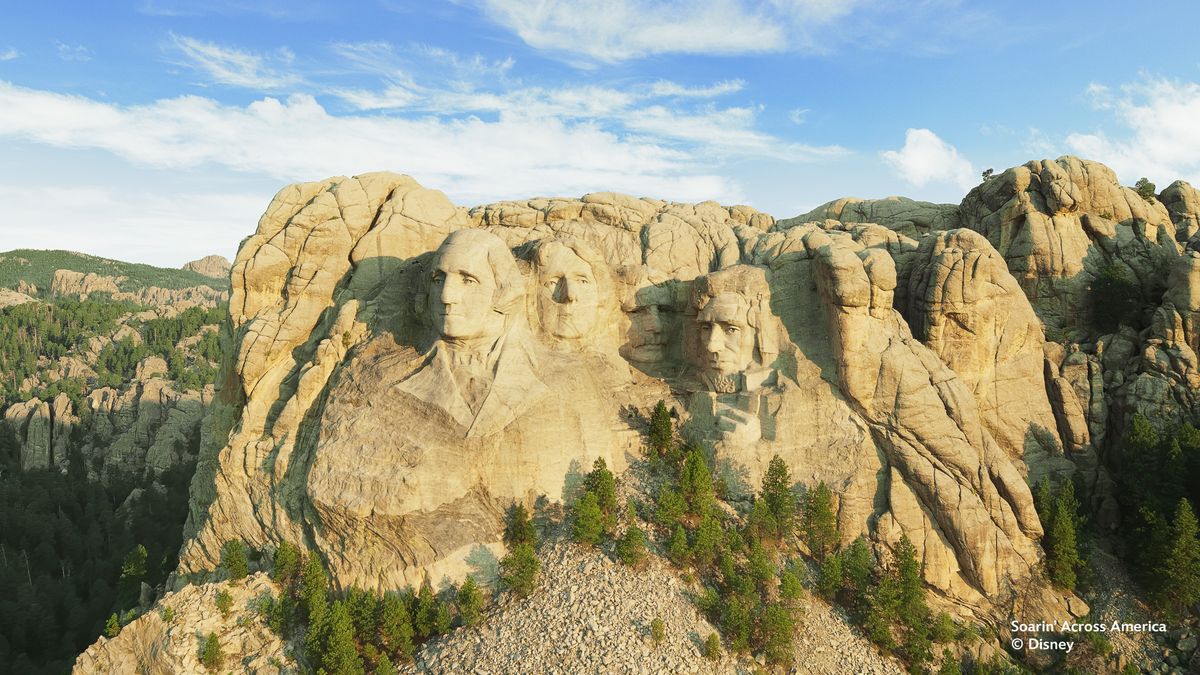
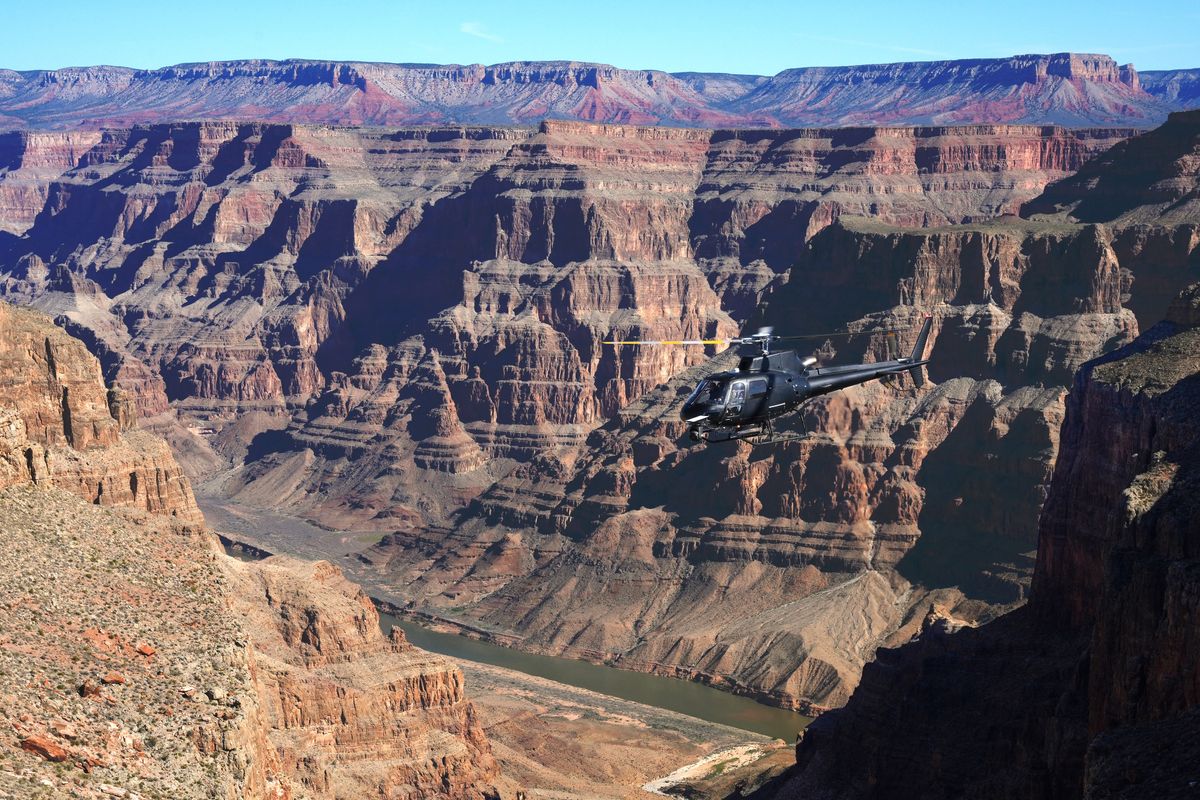
Have now ridden Soarin’ Across America several times, it is easy to appreciate the result. The updated film sweeps from New York Harbor and the Grand Canyon to the rolling hills of California and countless landscapes in between through soaring aerial shots, practical effects and a soundtrack that glides almost effortlessly alongside you. The audio shifts as fluidly as the visuals, making each transition feel natural as the ride takes you past some of America’s most recognizable landmarks and scenic vistas.
Studio C could simulate much of it during production, but not all of it.
“Before soarin’ film, mixing historically required the construction of scaffolding inside the theater to reach the appropriate listening height for final mix decisions,” explained Lhotka. “Even then, the process was far from ideal, as the wheelchair has a significant impact on the acoustics. For this project, one of the key requirements was that the theater remain fully operational and open to patrons throughout the production – completely eliminating the possibility of scaffolding.”
How do you mix a show with over 1,000 audio tracks and an extremely complex panning matrix while sitting in a moving vehicle?
This limitation forced Imagineering to rethink its entire workflow.
“The challenge was clear: How do you mix a show with over 1,000 audio tracks and an extremely complex panning matrix while sitting in a moving vehicle? The solution came through an innovative use of new AR technologies. By leveraging advanced screen sharing capabilities, we were able to remotely control our production system – directly connected to the theater – while sitting in the wheelchair, allowing us to virtually bring the screen itself to mix the vehicle. theater environment.”
Look at
Before anyone tested it inside the attraction, Studio C became the test lab.
“Studio C again played a critical role as our test bed. Over the course of a week, we evaluated several configurations to confirm that things could be precisely controlled in this way, and that the AR headset’s external cameras would allow us to see the film clearly in the low-light conditions of the theater while also monitoring the virtual screens. The final configuration exceeded expectations.”
After validation, the workflow moved from experiment to production.
“This workflow was ultimately used as the solution – and it became the method by which Soarin’ Across America was mixed. The result is a soundtrack that was shaped directly from the guest’s perspective using tools and techniques that reflect our continued commitment to innovation, immersion and storytelling.”
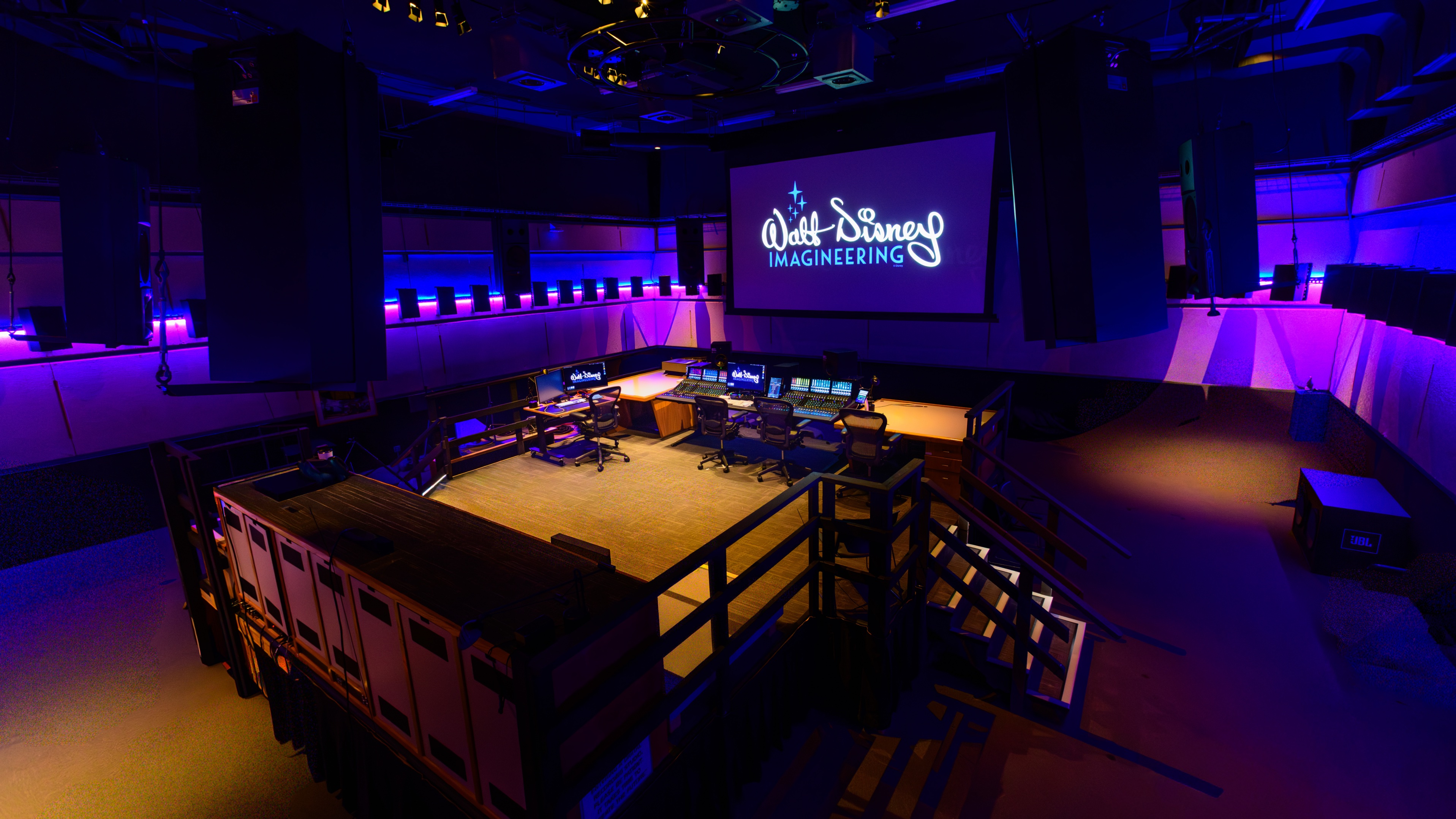
After experiencing Studio C for myself, that revelation clicked immediately. The room has already been designed to recreate the feeling of sitting inside a Disney attraction with remarkable accuracy. But even a purpose-built facility could not replicate perfectly soarin’s unique acoustics. The only place left to finish the mix was inside the attraction itself.
It’s an elegant solution that solved two problems at once. Guests never lost access to soarin’ during production, and Imagineering’s audio team was able to shape the soundtrack from the exact seat that any future rider would occupy. Instead of approximating the experience from scaffolding or even Studio C, the final mix was done where it mattered most: inside the attraction itself.

Follow TechRadar on Google News and add us as a preferred source to get our expert news, reviews and opinions in your feeds.


