
Says progress has been significant and both sides have developed an understanding
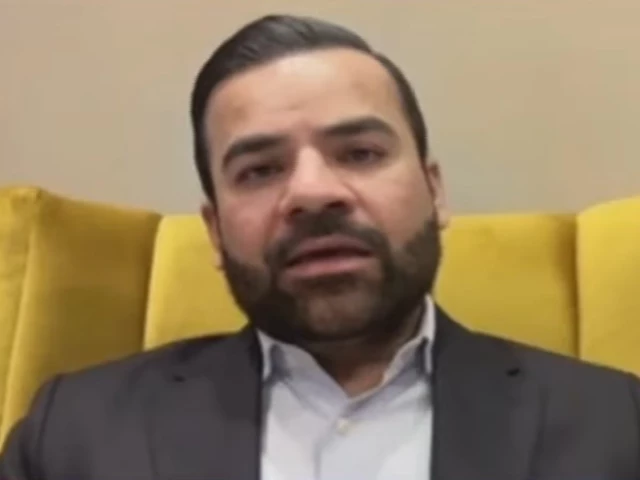
Law and Justice Minister Aqeel Malik. SCREEN GRAB
Law and Attorney General Aqeel Malik said on Friday that the coming week would be “quite significant” for Pakistan as Islamabad was again expected to host US-Iran talks aimed at ending the Middle East war.
Pakistan is mediating between the US and Iran after the war began on February 28 and has hosted the highest-level talks between the two sides since they severed diplomatic ties in 1979.
Speaking to a private news channel, Malik said the government had completed preparations for the next round of talks, including preventive security measures. He added that as in the previous round, foolproof security would be ensured with even stronger arrangements this time.
“Within a few hours or later tonight, things will start to become clearer. I won’t give a specific date or time, but the coming week looks set to be very important for Pakistan, especially for Islamabad,” he said.
Malik added that today’s announcement by Iranian Foreign Minister Abbas Araghchi to open the Strait of Hormuz was part of a 10-day ceasefire in Lebanon, adding that Pakistan along with Muslim and friendly countries had undertaken diplomatic efforts in this regard.
Read: Iran FM announces the opening of Hormuz to all commercial ships for the remainder of the ceasefire
He described the development as positive and said the cases had largely been settled, citing statements from both Iranian and US authorities. “Things seem to be moving forward in the right and positive direction, which is very good,” he said.
Describing Pakistan’s efforts as “par excellence”, the minister said that diplomatic engagement by both the military and civilian leadership continued to achieve lasting and sustainable peace, adding that Pakistan played a pivotal role in the process.
Responding to a question about the timeline for a possible deal, Malik said diplomacy was a work in progress and results could not be rushed, especially in mediation. “Mediation takes time. Both sides start from positions of strength, then talks take place, followed by messaging and shuttle diplomacy, in which Pakistan has played a central role, especially during last week’s talks in Islamabad,” he said.
He added that since last week progress had been significant and both sides had developed an understanding. “President Trump has said that, and Iranian authorities have also indicated that things have moved forward significantly, which is a very good and positive sign,” he said.
He ruled out the participation of other foreign leaders or heads of state in the expected deal, saying the matter concerned only the United States and Iran, with Pakistan acting as a mediator and leading the effort.
Also read: Trump says Iran war must end ‘soon’, Hezbollah should support ceasefire
“I think the next meeting will not involve negotiations; it will indicate that everything is final and ready to be signed,” he said, adding that when it happens, it will be extremely important for Pakistan and send a message of peace to the world.
The minister’s statement came as Tehran on Friday declared the Strait of Hormuz “fully open” to commercial ships – the first time since the war began on February 28. Pakistan secured a 14-day ceasefire between the US and Iran on 8 April.
Tehran imposed control over the main waterways shortly after the US and Israel launched a war against Iran on February 28, affecting global energy supplies and maritime traffic.
The US has imposed its own blockade of Iranian ports since Monday this week, and President Donald Trump has threatened to continue it.
Tehran’s announcement came after the Defense Chief and Chief of Army Staff Field Marshal Asim Munir met Iran’s top civilian and military leadership in Tehran over the past two days.


