
- New data from battery analysis company Recurrent has been released
- It shows that the average electric car retains 95% of its original battery capacity
- Replacement rates for batteries have dropped drastically in recent years
A new study by battery analysis firm Recurrent has revealed that the average electric vehicle retains up to 95% of its original driving capacity after five years on the road.
Although early EV manufacturers were concerned that battery packs would degrade to the point where they would need to be replaced, the data now show that the cells are dramatically outperforming original predictions.
According to a report by The Wall Street Journal, the findings point to the fact that advances in battery chemistry, thermal management systems and vehicle software have significantly improved battery life, allowing electric vehicles to efficiently travel the same kinds of distances as their ICE counterparts without the need for battery pack replacement.

Recurrent’s statistics indicate that about one in 12 electric vehicles built between 2011 and 2016 required battery replacements. For electric cars produced from 2022 onwards, this figure has dropped dramatically to just 0.3 percent.
While the report notes that frequent high-current charging can accelerate battery degradation compared to regular charging from slower, private outlets, Digital Trends reveals that data from Geotab shows that batteries that are frequently charged at high power still retain about 89.7 percent of their original capacity after several years.
As a result, EV owners find that their batteries retain more capacity, even after very high mileage, than originally predicted.
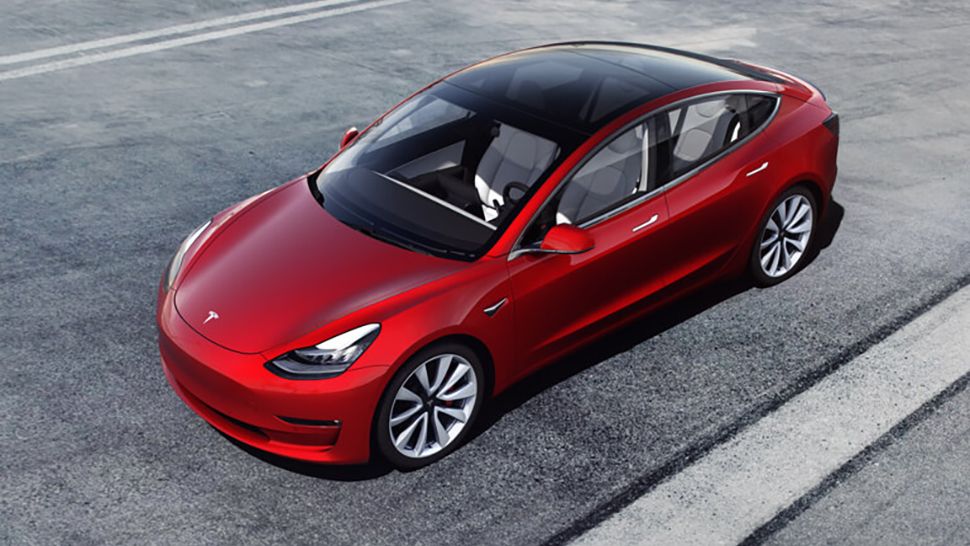
The Wall Street Journal report cites a UK-based EV dealer whose five-year-old Tesla Model 3 has racked up 247,000 miles, yet the estimated range is only a few miles short of the official WLTP figure when new.
Analysis: Used EVs require transparent battery health information
Despite several recent reports dispelling the myth that EV batteries degrade to the point of being nearly useless after a few years, consumer confidence remains low when it comes to the issue.
Digital Trends claims that a 2025 survey by AutoPacific found that fear of expensive battery replacements remains the leading reason many potential buyers avoid electric vehicles in the US.
As such, it is extremely important that used electric vehicles are advertised with a clear and transparent battery health certificate, allowing buyers to quickly and easily assess how maximum range may be affected by any degradation.
A number of used car dealers are already signed up to independently certified EV battery diagnostic schemes, such as those from Generational and Dekra in the UK, but many are calling for an industry standard.
A poll by Startline finance back in 2025 found that nine out of 10 used car dealers said the used electric car sector needs an industry-wide battery health testing scheme.
On top of this, 78% believed that battery health is a major consideration for most EV buyers

Follow TechRadar on Google News and add us as a preferred source to get our expert news, reviews and opinions in your feeds.


