
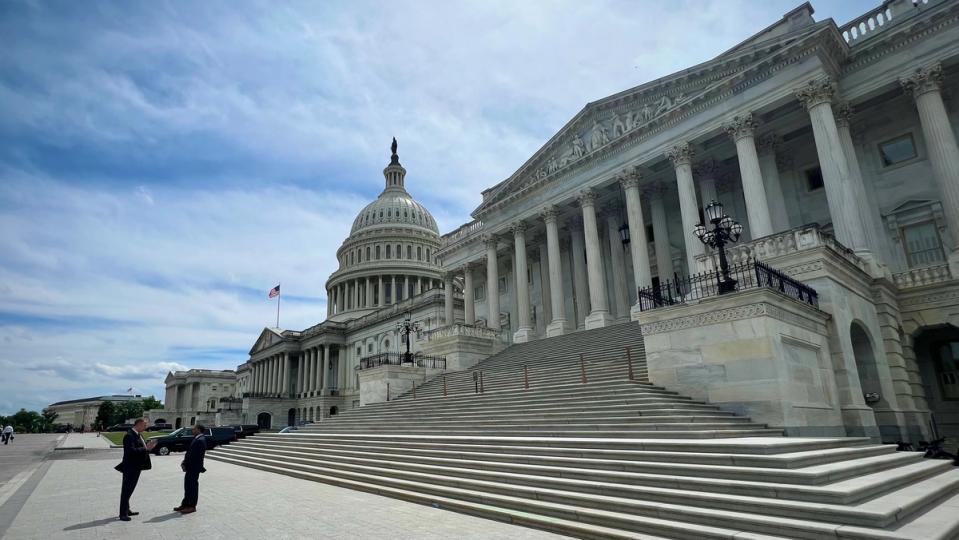
But the 2026 midterm elections are coming up very soon — Nov. 3, so less than four months from now — and lawmakers will have to face their own base and flanks after they retire from summer recess and enter the final swing of the campaign.
This means that US President Donald Trump and the $1.4 billion he made from crypto will be a key factor in the floor vote. More specifically, if there is no ethics provision, it is unlikely that enough Democrats will vote for the bill in the Senate. If the text coming out next week doesn’t even include a placeholder to address the ethics part, it could even be counterproductive to getting full bipartisan support for the bill, one person said.
This means that Trump still has to sign an ethics agreement. Several of the sources CoinDesk spoke with last week said the White House had not been as engaged recently as it had earlier this summer, but another person told CoinDesk in early July that it may just be a matter of waiting until all the other outstanding issues are resolved first.
One bright side for the bill’s supporters: Assuming the president didn’t veto the housing bill that sat on his desk sometime between this newsletter’s filing and 1 p.m. 12:00 p.m. Saturday, a provision prohibiting the Federal Reserve from issuing a central bank digital currency for at least four years will have gone into effect. There were concerns from industry players that House lawmakers could push to include a CBDC ban in Clarity if the Senate advanced the bill, further straining the negotiation process and timeline. But that issue should have been resolved for the time being, at least until 2030, with inclusion in the housing bill.


