
- Spotify has been quietly updating its shuffle playlist tools
- You can now fine-tune transitions more smoothly by changing effect curves
- It’s starting to show up for more users and it’s a huge hit so far
There’s one thing that Spotify does really well, and that’s offering a variety of playlist-making tools that you can really get creative with. Although some are AI-powered, Spotify’s Mixed Playlists encourage you to use your originality when compiling songs, all while sitting in the DJ booth.
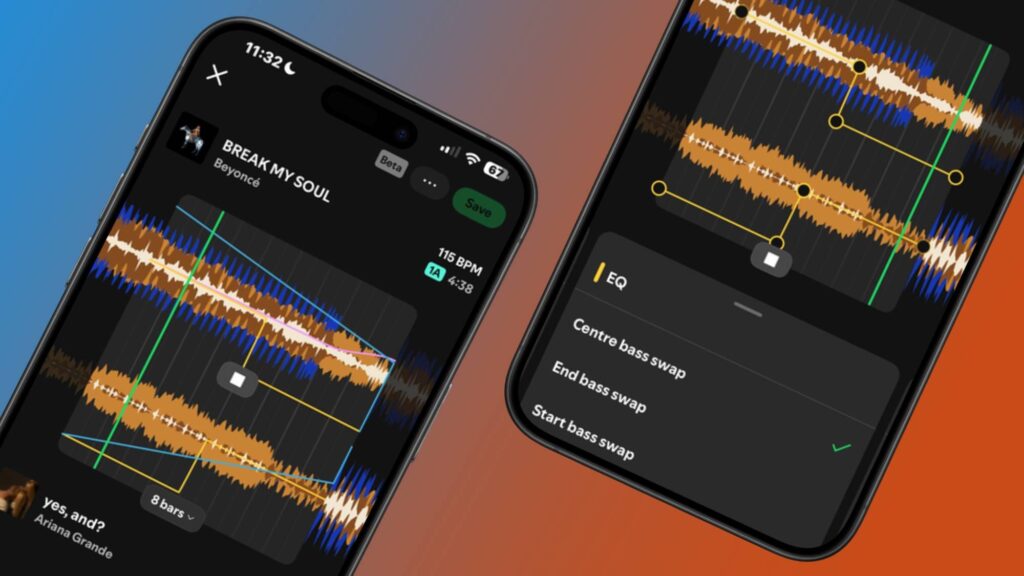
Just like you would with music mixing software, Spotify’s Mixed Playlists allow you to create smooth transitions between songs to ensure your playlist flows like a classic DJ set. Its mixing interface presents you with preset effects and even tells you the key and BPM of each track – and now users have noticed a new upgrade that gives you even more freedom on the customization front.
A recent post on the r/truespotify Reddit page shows the latest update, revealing that you can now change the volume, EQ and filter settings even more by simply dragging each effect curve to control how the transition works. According to a small number of users, this feature has been live for a few months, but the majority of listeners in the responses are only now running into it – myself included.

Spotify first launched Mixed Playlists in August 2025, hot on the heels of Apple’s own AutoMix feature. But instead of relying on AI to mix songs, Spotify’s version puts the control right in your hands, and it quickly became one of my favorite new tools.
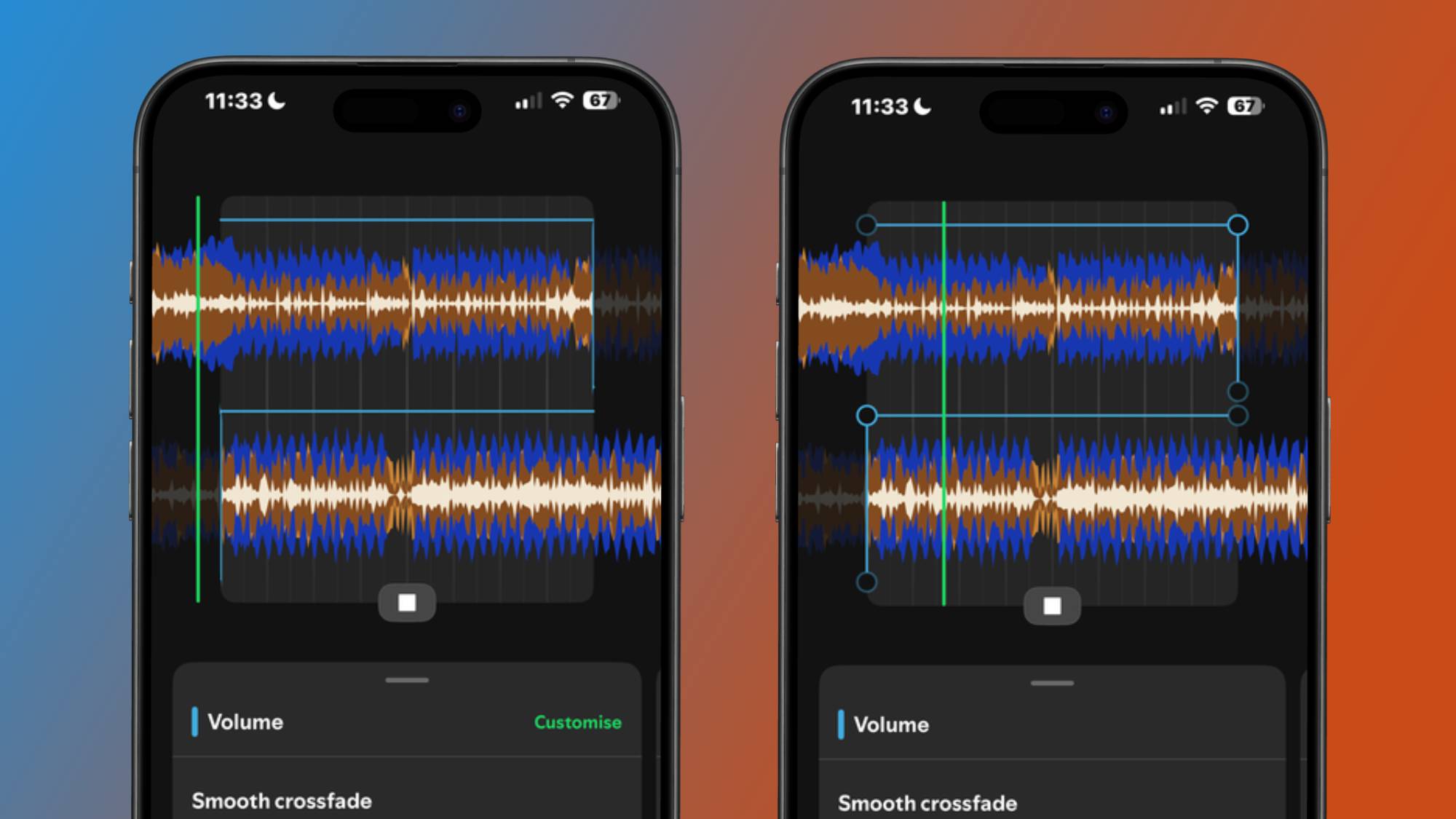
Before the update, you could create song transitions by selecting a preset that automatically changes the volume, EQ, and filter settings, or you could go into each of the three and select your own preset to put together a custom transition. While these are still available, you can fine-tune your song mix even more, and after testing things out for myself, I can see why listeners have embraced it so well.
For starters, it allows you to clean up the small but noticeable imperfections in your transitions that you can’t achieve by presetting the three audio categories individually. For example, if you go into the Filter category and select the ‘High Pass Filter option’, it will be stuck in one place on the audio track. When you press the ‘Adjust’ button, three points on the effect curve appear which you can move around the soundtrack display so that your chosen effect comes in at a specific time.
However, there are a few small blips (not so many setbacks) with the feature that users have picked up on. When you first start customizing your transitions, it can feel a little fiddly trying to find the exact location for each of the effect curve points, but you’ll get used to it.
Additionally, other users have also pointed out that the power curve points sometimes move back to their original spots after you move them. I’ve only run into this a few times, so it’s not a huge problem that’s going to put you off forever.
For once, it’s refreshing to see Spotify give one of its existing tools some TLC instead of pumping out new features without a lot of thought behind them. If this is the approach Spotify takes from here, just think what it could do to improve features like this in the future.

Follow TechRadar on Google News and add us as a preferred source to get our expert news, reviews and opinions in your feeds.


