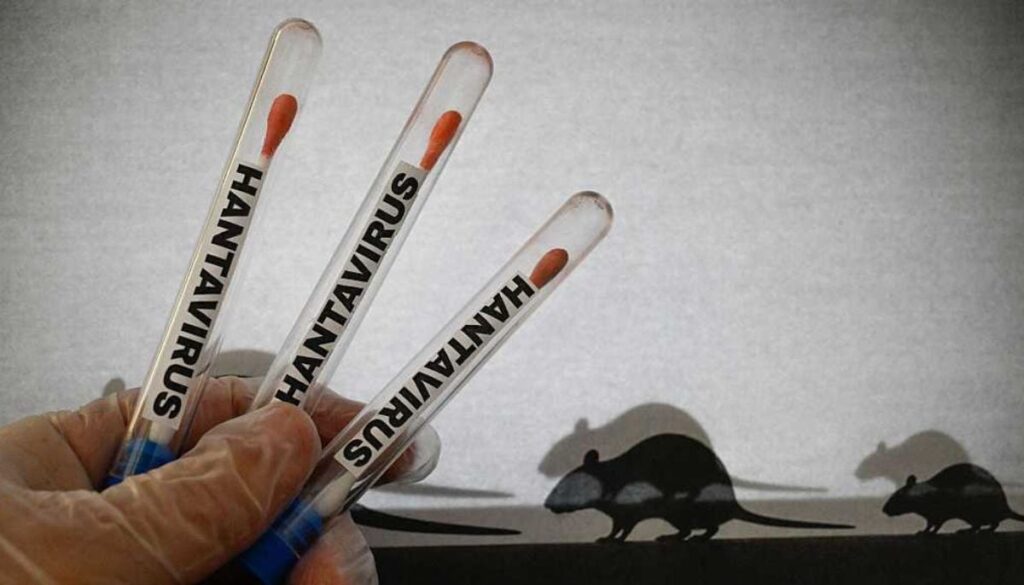
Hantavirus outbreak on a cruise ship has raised alarm about rodent-borne viruses.
The World Health Organization (WHO) has shared key information people should know to protect themselves from the virus.
The global health body shared an explanatory video on X, stating, “Hantaviruses are zoonotic viruses that naturally infect rodents and can occasionally spread to humans.”
Here’s what you need to know about Hantavirus:
What is Hantavirus?
Hantaviruses are a group of viruses that naturally infect rodents and can sometimes infect humans. The group of viruses is present in some rodent species across Europe, the Americas and Asia. The disease varies according to virus type and location.
How is Hantavirus spread?
People usually become infected through contact with infected rodents or their urine, droppings or saliva. Limited human-to-human transmission is also possible and has been documented in some outbreaks.
Early symptoms of Hantavirus
Early symptoms of Hantavirus feel like a common illness and can appear between one and eight weeks after infection.
- Fever
- Headache
- Abdominal pain
- Muscle pain
- Nausea
- Vomiting
It can also cause serious illness in some rare cases.
How to prevent Hantavirus?
Prevention of hantavirus is simple and doable
- Keep the living room and workplace clean
- Seal openings where rodents can enter
- Safe food storage
- Use safe cleaning methods if rodent droppings are present
There is no approved antiviral treatment or vaccine against hantavirus; however, early intensive and supportive treatment can make a huge difference in saving lives.