
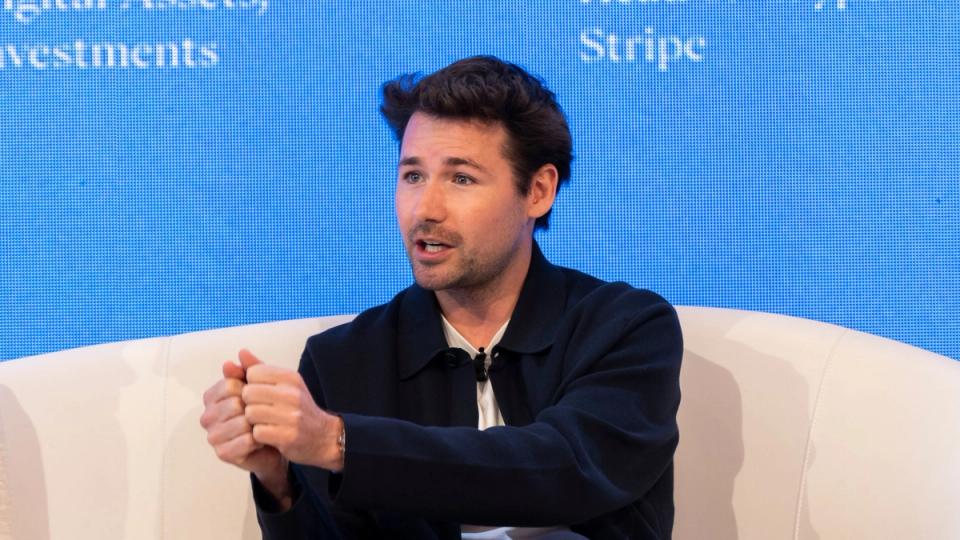
“Both Stripe and PayPal do about the same payment volume, but Stripe has about a fifth of the net revenue,” Hadick said. “From a financial perspective, this is obviously incremental and it helps them connect their merchant processing business, which is at risk of being commoditized, to a broad subset of PayPal’s more than 400 million accounts.”
Hadick also warned that it would be difficult to complete a deal of that size. “M&A integration of something this size is incredibly tough,” he said.
In addition to merchant payments
Eric Queathem, CEO of Velocity, said the acquisition would also give Stripe access to one of the world’s largest consumer payments ecosystems, providing a platform to expand beyond merchant payments.
The proposed acquisition will also determine who controls the consumer side of blockchain-based payment infrastructure, complementing Stripe’s existing merchant network and stablecoin capabilities.
Several executives said the competitive focus has shifted from proving blockchain technology works to controlling distribution.
Pankaj Bengani, founder and CEO of Meld, agreed with Larbi that the race is on.
“The race has shifted from proving the technology works to owning distribution,” Bengani said, adding that “stablecoins have moved from experiment to core payment infrastructure.”
Citi analysts reached a similar conclusion in a research note, writing that stablecoin competition has become “a standard-setting game,” with the scale falling to the stablecoin that becomes the standard across the largest merchant, consumer wallet or autonomous transaction base, rather than to the issuer with the best technology.


