
- The US has accused China of stealing American AI models
- Chinese actors allegedly used a proxy network and jailbreaking techniques
- The accusation is likely to strain US-China relations after a period of compensation
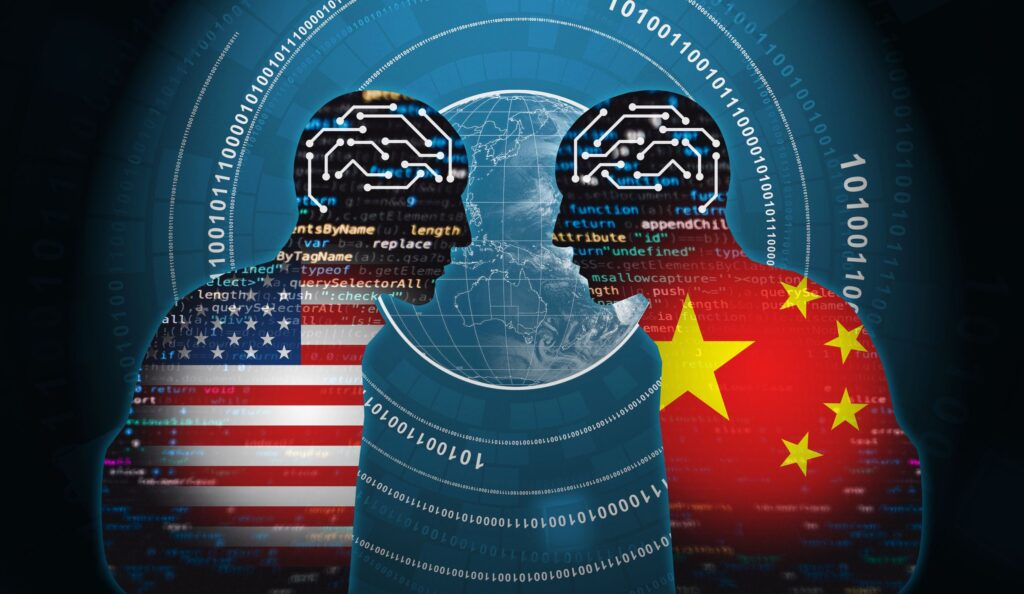
The White House has accused China of orchestrating a campaign to steal AI models from US developers on an ‘industrial scale’.
In a memo, Michael Kratsios, director of the White House Office of Science and Technology Policy, said, “The US government has information indicating that foreign entities, mainly based in China, are engaged in deliberate, industrial-scale campaigns to distill US border AI systems.”
The accusations come ahead of a meeting between US President Donald Trump and Chinese President Xi Jinping in Beijing next month.
The article continues below
‘Tens of thousands of proxies and jailbreaking techniques’
“By exploiting tens of thousands of proxy accounts to avoid detection and by using jailbreaking techniques to reveal proprietary information, these coordinated campaigns systematically extract capabilities from American AI models, leveraging American expertise and innovation,” the White House memo continued.
This is not the first time China has been accused of stealing US technology, with the superpower previously in the crosshairs for stealing aerospace secrets and industrial technology.
The memo strikes a different note from previous accusations, with the White House saying, “There is nothing innovative about systemically extracting and copying the innovations of American industry, and there is nothing about supposedly open models derived from malicious exploitation.”
Washington says it will take the following steps:
In response, the Chinese Embassy in Washington issued a statement saying it rejects “the baseless allegations” and that Beijing “attaches great importance to the protection of intellectual property rights.”
The accusation is likely to strain US-China relations ahead of next month’s meeting. Tensions are also likely to rise as the US Congress passes its “largest export control mark-up in congressional history” that seeks to prevent China from accessing US technology – particularly high-powered chips.
Restrictions on sales of powerful chips to China were eased in January, with the possibility of some of Nvidia’s most powerful chips being sold on a case-by-case basis. But these exports have been called into question by recent restrictions from Congress.
Nevertheless, China has proven capable of developing and training powerful AI models such as Deepseek and OpenClaw – both of which have rattled US AI developers as China was thought to be years behind the US.

Follow TechRadar on Google News and add us as a preferred source to get our expert news, reviews and opinions in your feeds.


